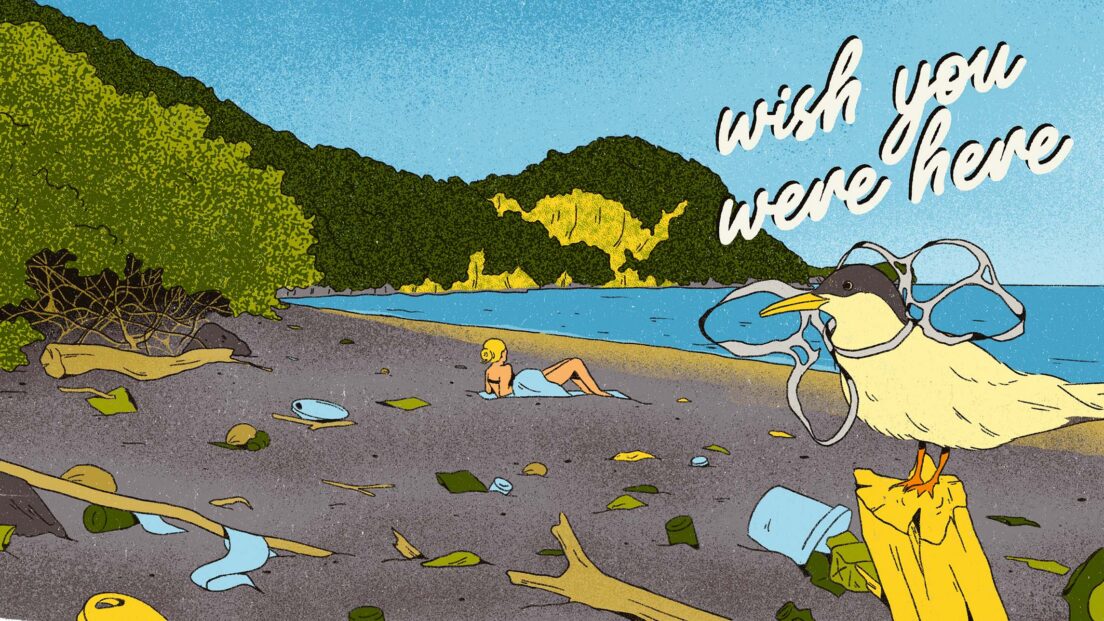
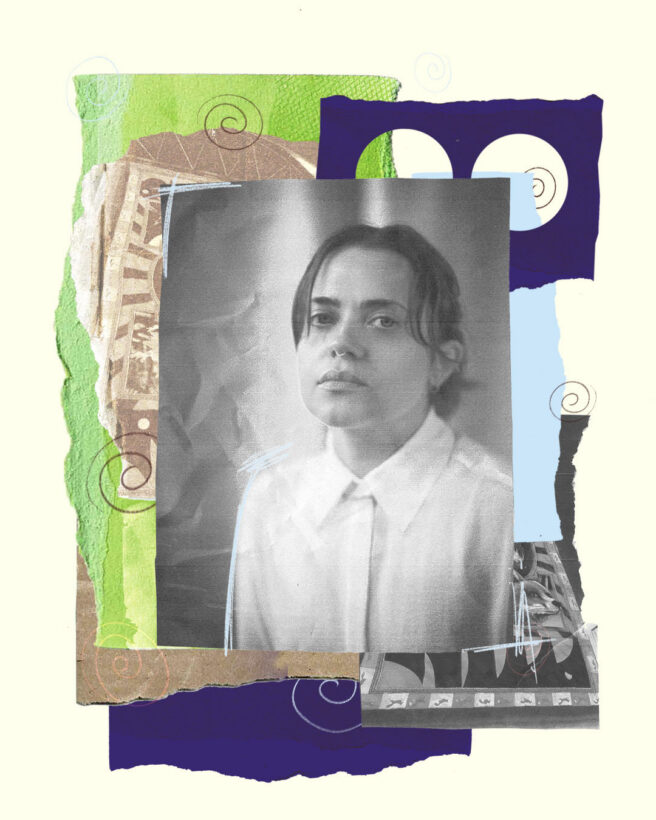

The image shows a collage mix of photographs and hand drawn illustration overlain with scrapbook images such as tape and rough edged paper. In the centre of the image is a photo of Sophie
Image credit: Naomi Genenry

Sophie K Rosa on free minds

Liberatory ideas about the self, therapy and relationships

Writer and psychoanalyst Sophie K Rosa suggests a selection of books and resources for reflection on fostering psychological and relational lives with revolutionary mindfulness.  

Having authored a book about how capitalism and structures of oppression shape and limit our intimate lives, my subsequent training as a psychoanalytic psychotherapist could be seen as an about turn. 

Indeed, therapy – and certainly the contemporary wellness culture that surrounds it – can be seen as an individualised, apolitical response to the broken systems that harm us all in profoundly different ways. At the same time, I believe it is important to pay attention to our inner lives as an integral part of any active struggle for a better world. 

More than this, I don’t think we have an option but to: our psychic and relational lives are core to our being, the essence of being alive. And so, it is extremely difficult to mobilise revolutionary care and fights without placing some value upon life itself – which includes our own. Our movements themselves require us to pay attention to mental and interpersonal suffering and care. Without this, they will not survive. 

I’ve chosen these texts and resources because they have helped me orient myself emotionally in difficult times – and in doing so, helped me show up for myself, others and in the world in better ways. I hope that this list nurtures you and yours.


Seven books that changed my perspective

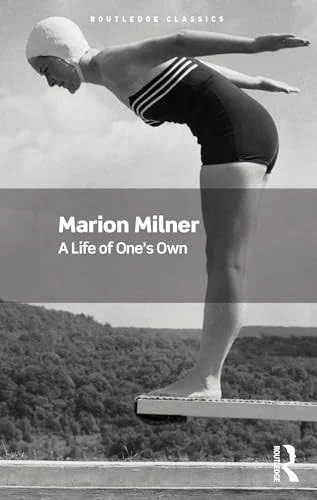
  • Book jacket: A Life of One’s Own

    A Life of One’s Own

    by Marion Milner

    (non-fiction)

    Somewhere between a free associative memoir and a philosophical experiment, Milner’s book is an attempt at self-discovery, but not in the corny way associated with the modern wellness industrial complex. Her sincere experiments searching for a sense of meaningful lived experience feel just as applicable today and at times seem somewhat radical, especially coming from a woman in the 1930s. Her writing is charming and curious, full of insights that brought me comfort and changed the way I pay attention in the world.

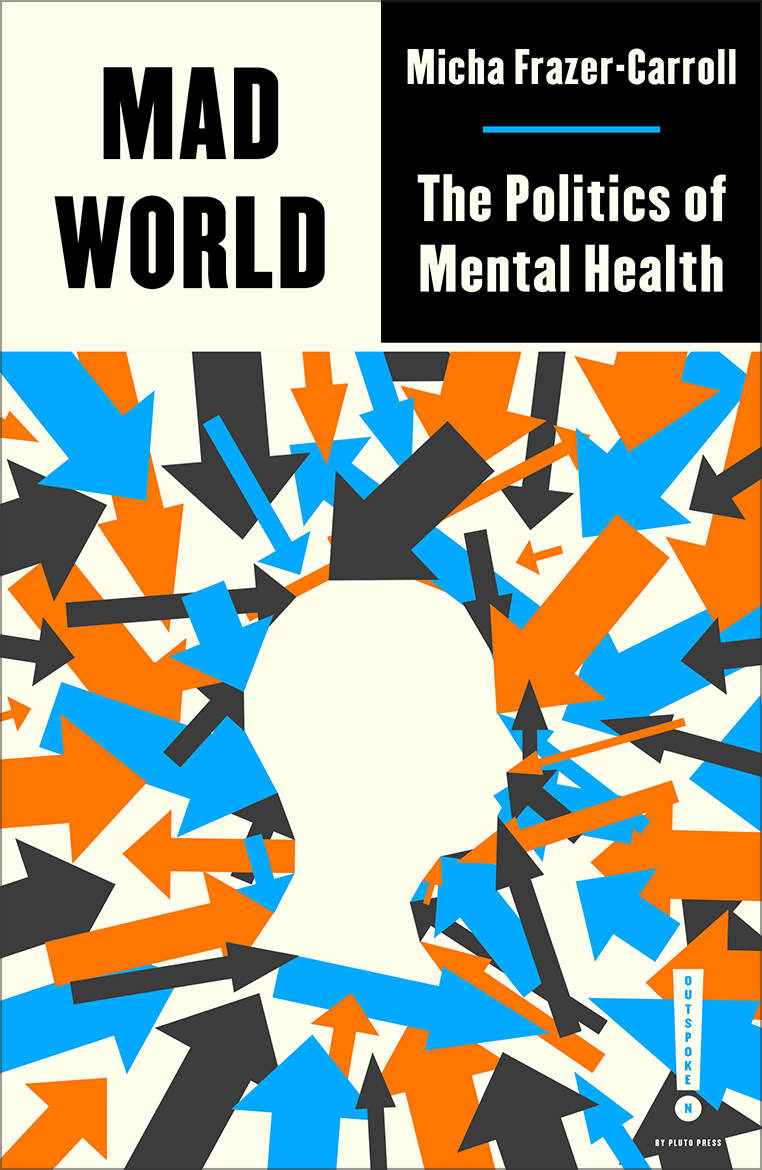
  • Book jacket: Mad World

    Mad World

    by Micha Frazer-Carroll

    (non-fiction)

    This is an essential read for understanding the political implications of mental health, and the mental health implications of political issues. At a time when the language of psychiatric diagnosis and therapeutic concepts has never been more popular, Frazer-Carroll’s incisive book reminds us of the structurally oppressive roots of psychological suffering and so-called recovery, and asks what a transformed world might do to our conceptions of mental health. This book is a vital reminder that our psychic states – and the state’s influence on them – are fertile revolutionary ground.

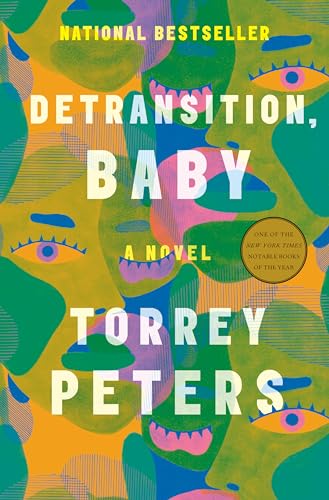
  • Book jacket: Detransition Baby

    Detransition Baby

    by Torrey Peters

    (fiction)

    I love this novel for the way it describes the fluidity of being human and being in relationships with other humans through a story about love, gender and queer family-making. I also love it because I found it just really enjoyable to read!

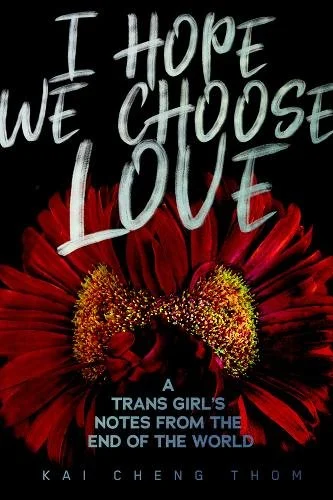
  • Book jacket: I HOPE WE CHOOSE LOVE: A Trans Girl’s Notes From the End of the World

    In many ways a book about transformative justice, this collection of essays and poetry blends thinking on interpersonal conflict, violence, collusion, love, revenge and forgiveness. I think it is important because it reminds us that liberation is only possible if we look inside ourselves, too: hurt and violence are not only perpetrated by “bad people over there”.

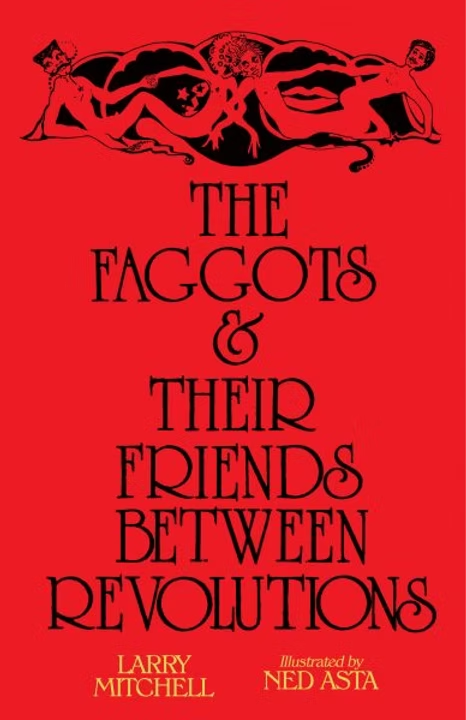
  • Book jacket: The Faggots & Their Friends Between Revolutions

    This is such a special little book, with delightful illustrations by Ned Asta. A gay manifesto told through fable, it explores queer communality, sexual politics and radical queer life. I fell in love with this book when I first read it; it felt like a long lost and much needed companion in the question of how to live well in the world. It’s gloriously shocking and wise, funny and tender.

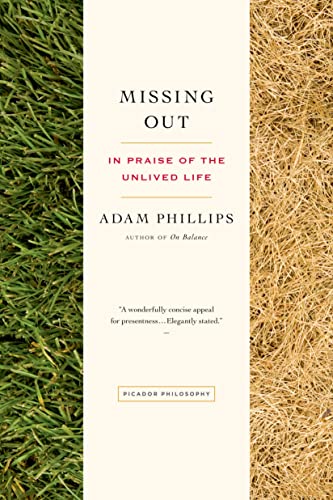
  • Book jacket: Missing Out: In Praise of the Unlived Life

    Missing Out: In Praise of the Unlived Life

    by Adam Phillips

    (non-fiction)

    This was one of the first psychoanalytic books I ever read, as a very young adult, and it still holds a dear place in my heart. In an era of everything-maxxing, I think it might be especially apt – it’s an exploration of what opens up when we don’t get what we (think we) want; when we don’t get the life of our fantasies. It’s not an anti-capitalist book as such, but I think it contains wisdom to that end. It helped me get my head around the inevitable losses of a life well-lived.

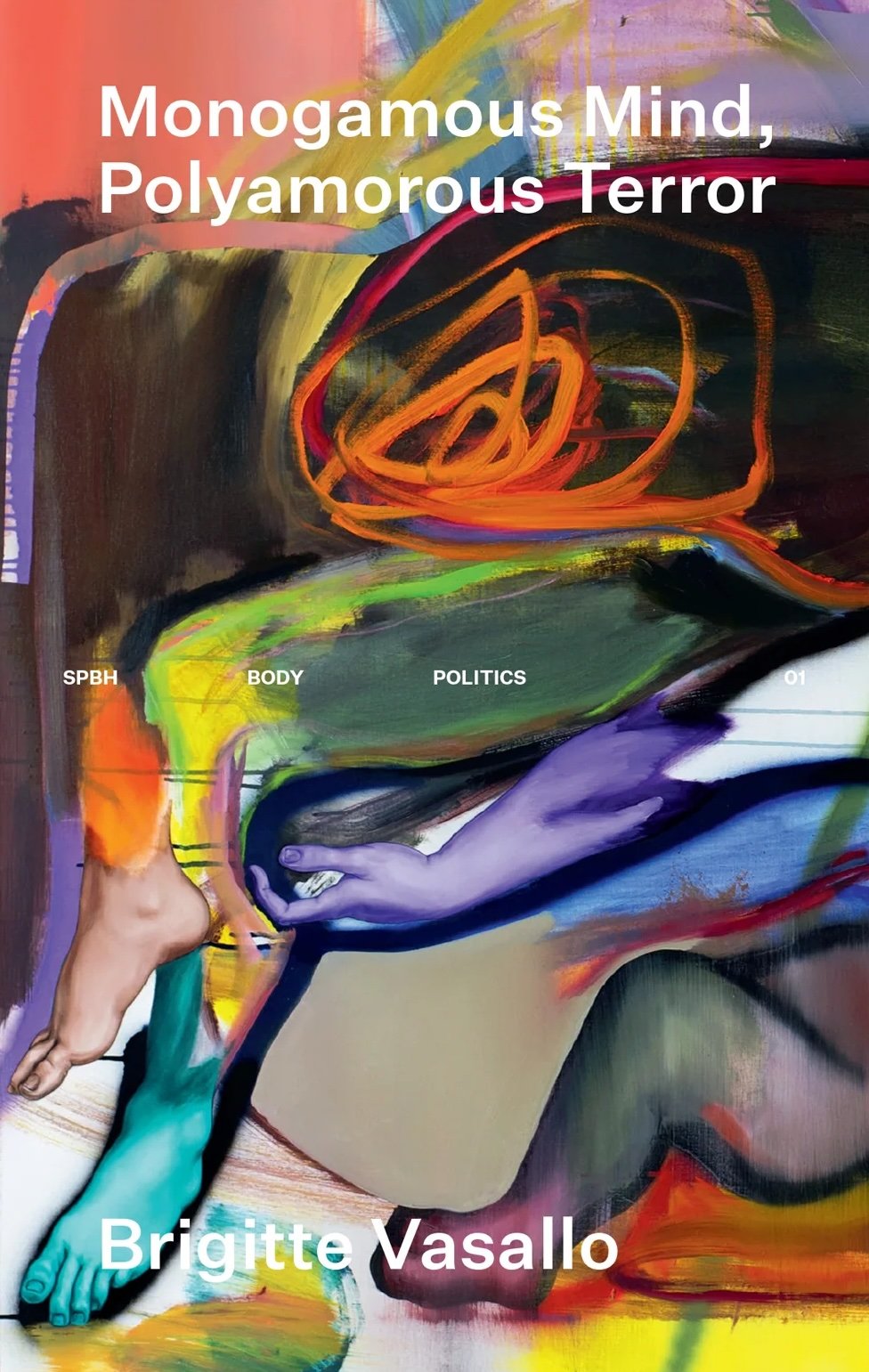
  • Book jacket: Monogamous Mind, Polyamorous Terror

    Monogamous Mind, Polyamorous Terror

    by Brigitte Vasallo

    (non-fiction)

    Undoing received ideas is an essential aspect of remaking the world – and ourselves in the process. I think interrogating monogamy as the apparent default mode for romantic relationships is a generative example of this. Vasallo considers how monogamy is wrapped up in power-laden norms surrounding the state and identity, such as hierarchy, property and exclusivity. It’s not about evangelising polyamory as a utopian alternative, but fostering the practice of revolutionary thinking about how we relate to one another. The book helped me hold in mind how relationships in multifarious configurations are an integral part of our own and the world’s becoming.

Online and on the go

  • This podcast is “about psychoanalysis, politics, pop culture, and the ways we suffer now.” At times, it can assume some knowledge about psychoanalytic theory, but the episodes that link to pop culture tend to be more accessible and a great entry point. I especially appreciated the episode with Lara Sheehi on her book Psychic Militancy, which unites the unconscious mind with political action so eloquently. I enjoy this podcast as a dose of psychoanalytic thinking that doesn’t compromise on radical politics. 

  • Whilst I have questions about what filming and televising therapy does to therapy’s potential, I really believe that – in terms of public interest – this is as good as reality TV gets. Watching the psychoanalyst Orna Guralnik work with people on their relationships is the perfect redress to reductive Instagram relationship advice. The psychic insight is at times profound, truly helpful for living alongside others better – though I sometimes disagree when the political is brought to the fore: in particular, aspects of Israeli Guralnik’s post-show dialogue with a Palestinian patient, Christine.

  • Lily Scherlis’ writing on pop psychology language is really valuable. In this essay, she traces the history of the concept of ‘boundaries’, linking its prevalence now to neoliberal political landscapes. She doesn’t throw away the metaphor – like much of pop psychology, there are useful applications – but she critiques the way it treats people like discrete commodities, as opposed to interdependent beings. I loved this essay for the way it puts popular therapeutic concepts to work in the true sense – ethically scrutinising them whilst also allowing for their potential utility, which has certainly been helpful in my own life. 

The image shows a collage mix of photographs and hand drawn illustration overlain with scrapbook images such as tape and rough edged paper. In the centre of the image is a photo of Sophie

Image credit: Naomi Gennery

Musings and more

  • What is the book you've gifted the most?

    A Life of One’s Own by Marion Milner – always to women. Reading her intricate self-analysis felt curative to me; I gift it in the hope it will for others, too.

  • What is your favourite bookshop?

    Housmans in Kings Cross, a truly radical space. And one of my earliest memories of a very loved friend is there.

  • Where are you currently finding joy?

    Growing food and flowers in my garden. It’s a recent joy and it has made me feel so much more alive. I’ve cried at the pleasures and beauties of new growth and cried because it has made me feel more connected to the horrors of the ecological crisis.

  • Written by Sophie K Rosa

    Sophie K Rosa

    Sophie K Rosa is a writer, and trains and works as a psychoanalytic psychotherapist. She is the author of Radical Intimacy (Pluto Press, 2023) and is currently working on her next book.

  • Illustrated by Naomi Gennery

    Naomi Gennery

    Naomi is a UK-based graphic designer and illustrator working at the intersection of creativity and social impact. Her work is colourful, playful, and often rooted in collage, crafts, and DIY culture. Exploring themes of culture, identity, and social change, she hopes people see their own thoughts, ideas, or experiences reflected in her work. Combining design and illustration, Naomi aims to make big ideas feel more approachable and human.

Read More