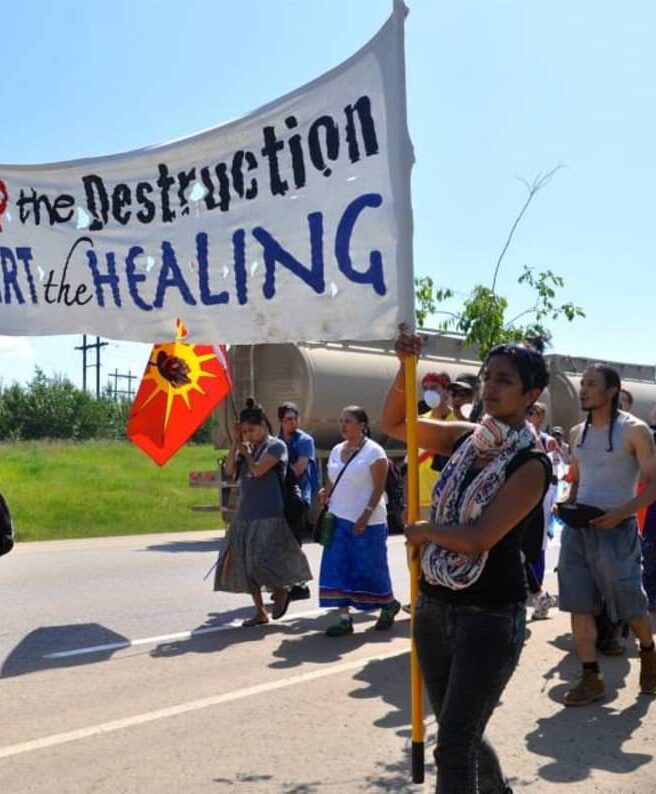
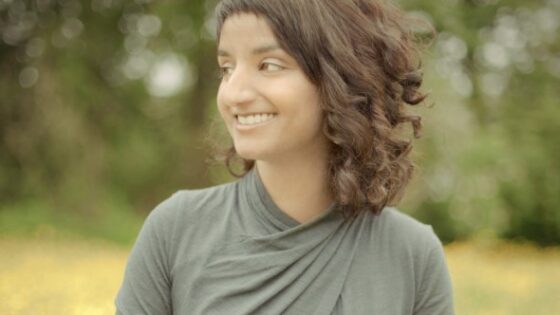
Our Ideas in Progress format is a space to collect and share thoughts, visions and ideas from practitioners in the ecosystem. They invite us to dream collectively and learn to explore what it means to build in community.
The movements we see today come from a lineage. A lineage of actions taken to create ancestral futures.
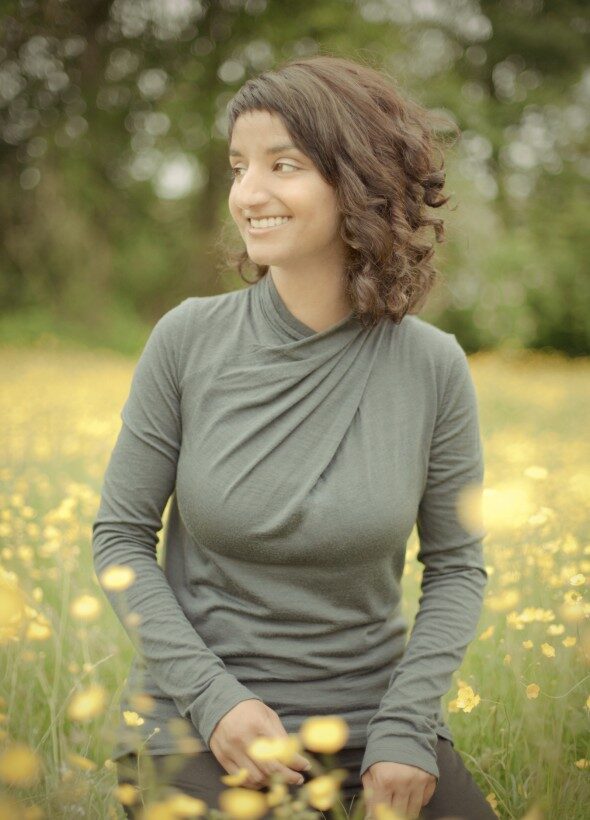
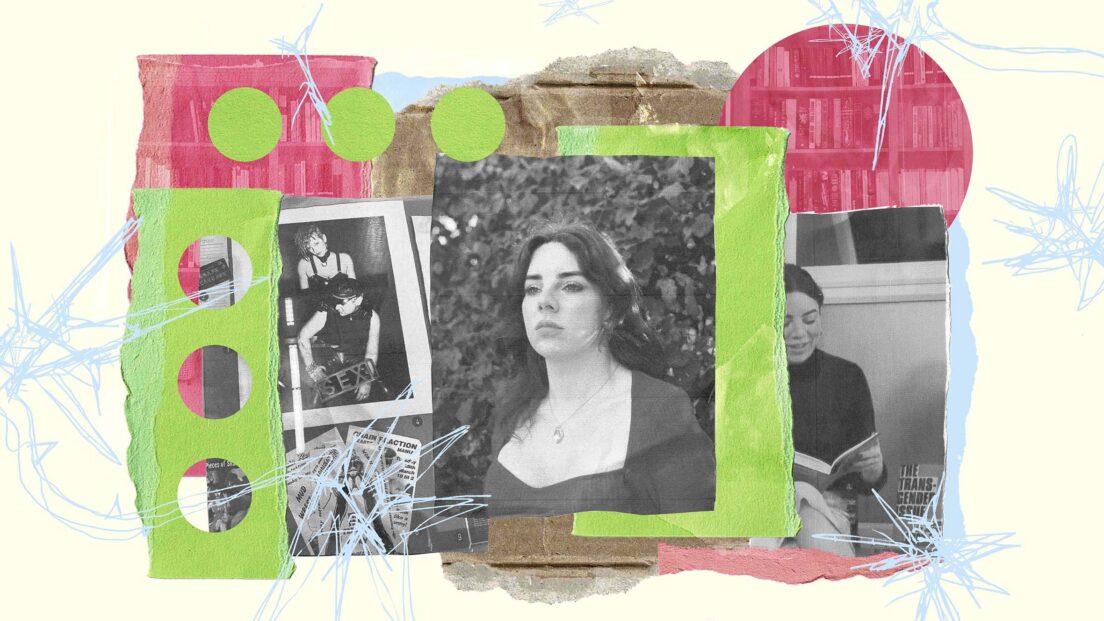
Lately I’ve been thinking about the futures in draft. The ones we begin without knowing what they’ll become. The last few weeks Mercury was in retrograde. It got me poring over old photographs. And thinking about the advice I would send myself then, knowing what I know now.
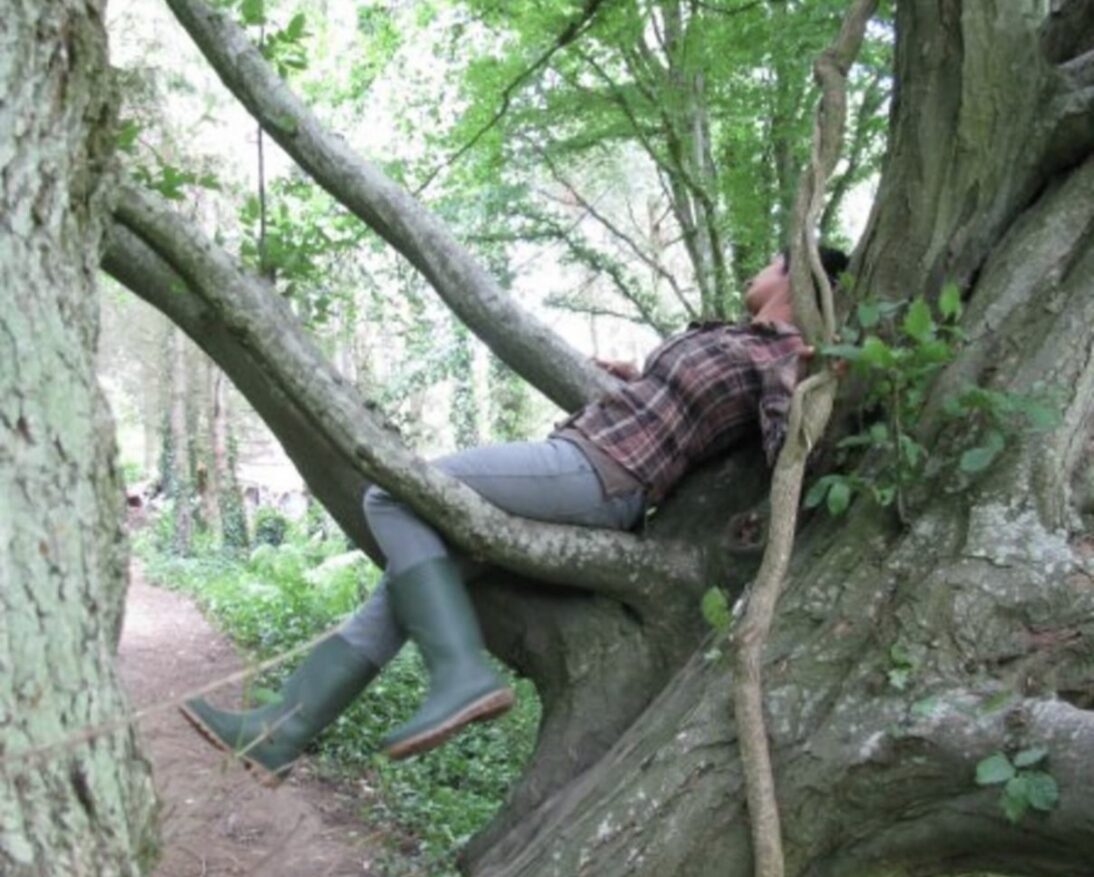
It’s 2008. You’ve left your job with Médecins Sans Frontières, sold all of your belongings, your records and your prized books and followed a dream and premonition you had about peak oil. You’ve decided, in the face of peak oil and the looming climate crisis, that the best thing to do is move back to England from Canada and live at Tinkers Bubble, a small off-grid woodland community in Somerset.
At the time, Canada feels deeply in denial about the connections between extractivism, Indigenous rights and the climate crisis (to some point it still is). You don’t have all the language for what you can see yet. But the Indigenous organising communities you encounter will start to change how you understand these intuitive connections: that climate justice cannot be separated from land, sovereignty, colonialism and the people defending their territories. This is something your art has been showing you too.
It’s a bit scary now, living in the forest. It’s hard work. One bath a week. Chopping wood to heat the water. Living alongside people under surveillance, people on the run, people who don’t quite fit anywhere else.
But don’t worry. This will serve you well.
This is where you’ll learn how to organise. How to sit around a campfire for hours listening, arguing, plotting. How to build trust. How to find common ground between people who don’t always seem to have much in common. Years later, the people you meet here will magically show up again in front of extraction sites and government buildings you are shutting down. They’ll feel like kin.
You’ll learn how to bring people together to stand against human rights and land violations, in creative and emotive ways inspired by the days spent here that will create an entire movement, even if right now you feel like you have lost the plot and don’t have thousands of followers online or a book deal.
Looking at these photographs now, I realise they are less about the past than the futures hidden inside them. Futures that none of us could quite see yet. You will pull off impossible feats with little means, and the structures of the environmental sector itself set against you. But you will be a seed for people learning how to organise. Movements that hadn’t found their shape yet, that will ripple across the cultural space for years to come, they won’t even ask what they are built on.
Some of those futures arrived. Some changed shape. Some are still unfolding.
And maybe that’s what movements do. They begin before we have the language for what they might become.
When we are at our bravest, we make a leap into futures we might never see.
I need to remember that when things feel so insurmountable and I feel over the hill in the current social media landscape. When the scale of the climate crisis, extraction and the violence we’re trying to resist can make any individual action feel almost absurdly small.
Maybe that’s the point.
We inherit ancestral futures, and leave a few behind for someone else. We can’t always work for accolades, likes and results in our lifetimes. When we are at our bravest, we make a leap into futures we might never see.
The version of myself in those photographs didn’t know what they were setting in motion, but continued with faith anyway, sometimes without resources and at the risk of losing my health, my own future.
Maybe we never do see the futures we are making, and no one prepares you for that. It might serve us if we find out more about our movements’ elders. I can see all the learnings I am holding and I am not even that old and all the things I learnt from those who came before me.
Build the relationships outside of your social media goals, make space for quieter, deeper voices, hear the stories of the movements whose shoulders you stand on, there are blueprints waiting to be learnt from.
What else is there to do when we are facing so much uncertainty but to connect, listen, learn and love the life we are trying to protect?