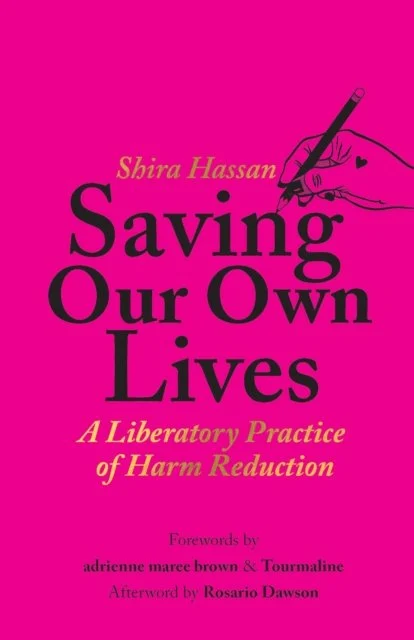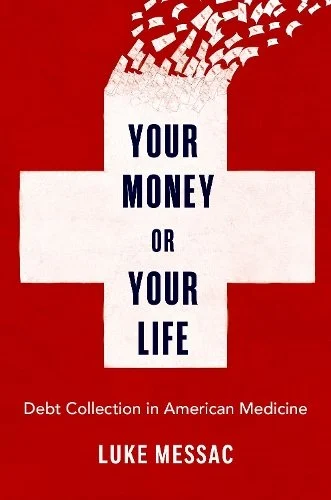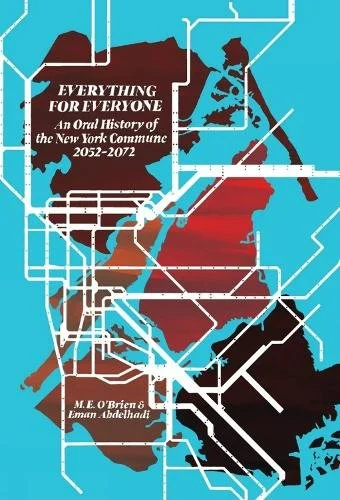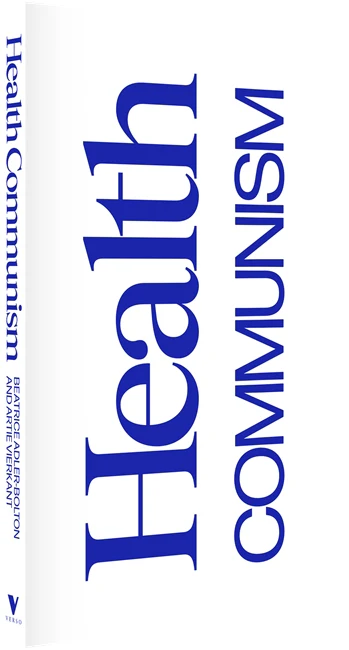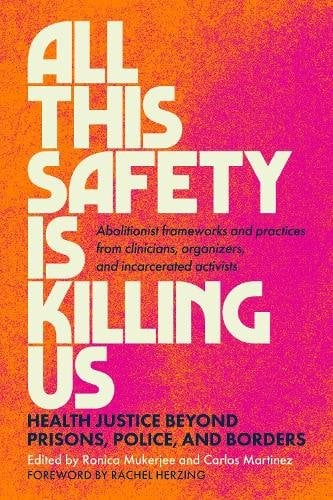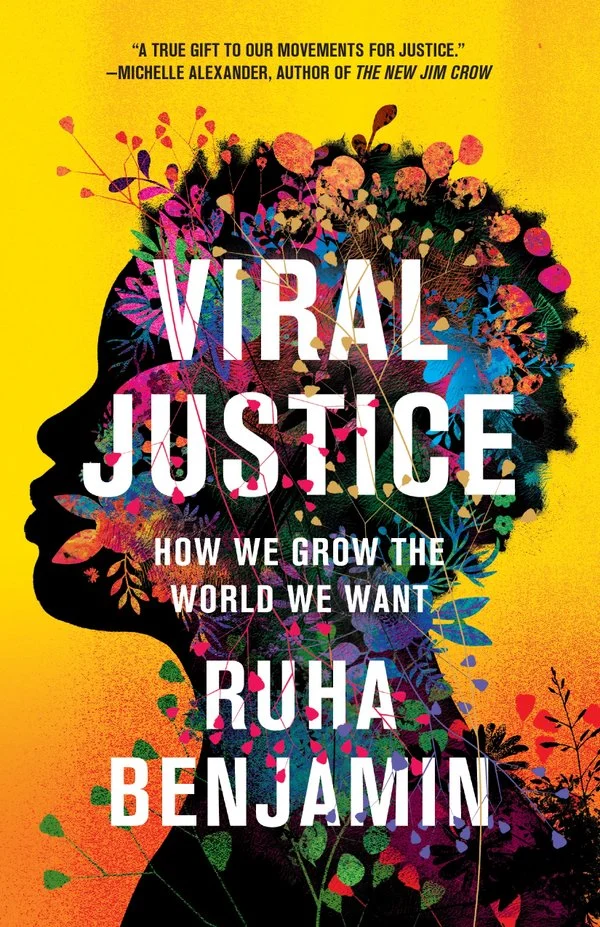
The Pages for Changes reading lists offer personalised and curated reading recommendations from key creatives, authors and thinkers.
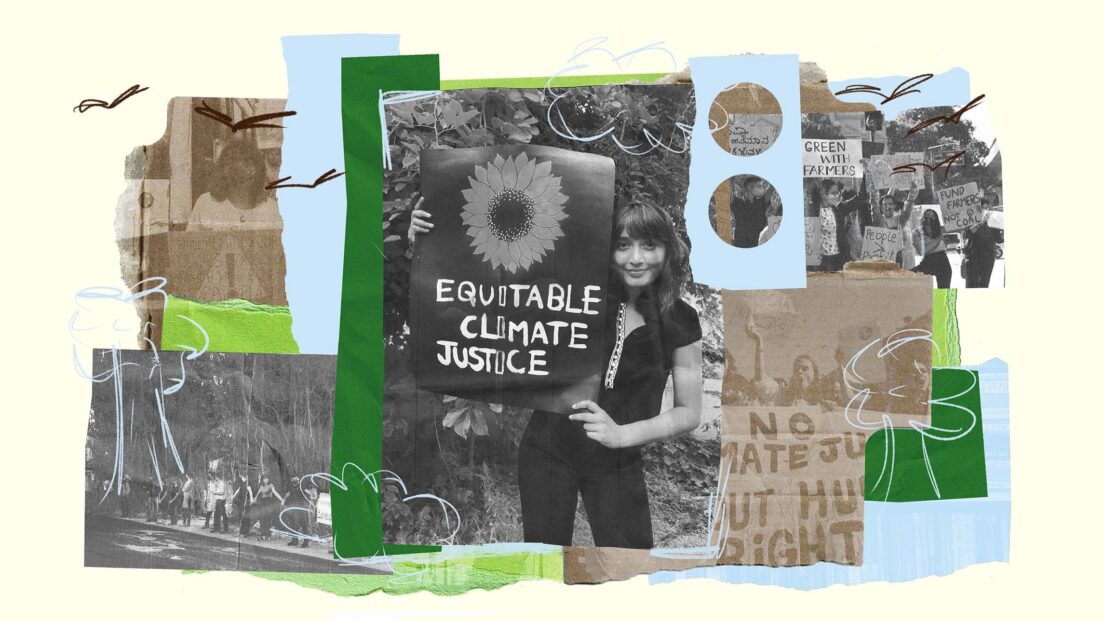
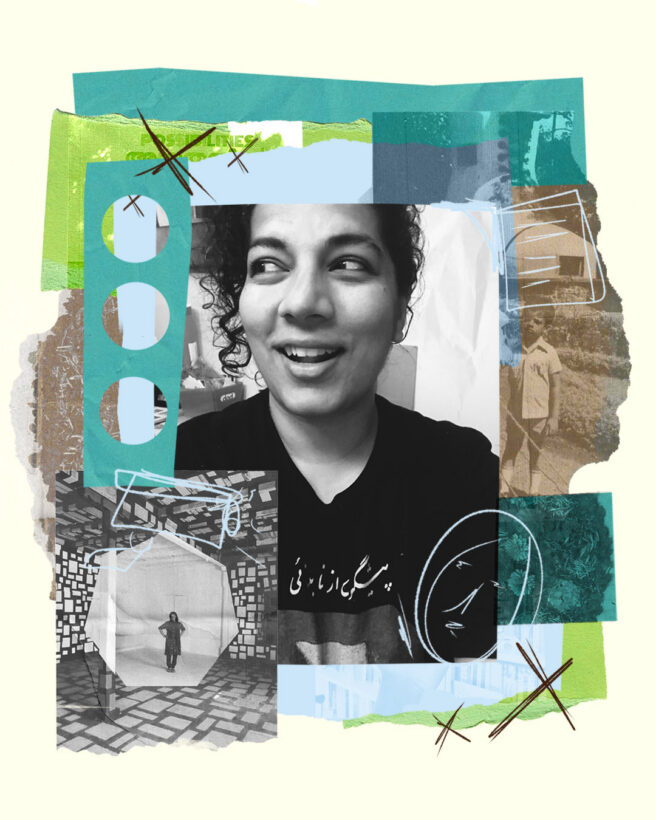
Organiser and artist Maria Thomas, curates a reading list of texts and resources about the necessity of interrupting the criminalisation of people seeking and providing healthcare.
My life has been marked by multiple displacements. My family has crisscrossed the globe between South India, the so-called Middle East and the US — traversing so many checkpoints and imaginary lines drawn in blood. This repeated uprooting has given me a particular understanding of who gets to belong and why, and shown me the tools autocrats use to consolidate their power and quash dissent.
The same consolidation of power is being played out in the US where I currently live. And authoritarians here are relying on the same well-worn playbook of scapegoating, violence and *criminalisation.
This dragnet of criminalisation is expanding in healthcare settings, with public health and healthcare workers being rapidly conscripted to criminalise those marked as ‘other’ or ‘surplus’ — by reporting patients without papers, through abortion and trans health care bans and more. I’ve spent years fighting this tide alongside so many beautiful, brave compadres, as Interrupting Criminalization’s Beyond Do No Harm fellow and in my current work at Health in Partnership.
This reading list helps illustrate the long history of healthcare as a site of surveillance, punishment and control for marginalised communities. My hope is that readers will come away with an understanding of criminalisation as a primary tool used by fascists, of public health and healthcare as key sites of struggle, and that they feel inspired to defend bodily autonomy and fight criminalisation.
*a social and political process by which society determines which actions or behaviours—and by who—will be punished by the state (from The Crisis of Criminalization, by Andrea J. Ritchie and Beth Richie). Criminalisation reinforces existing relations of power. This explains why apartheid, slavery, colonialism, etc. were all legal, while the movement of emancipated Black people in the US was criminalised through Black codes and Indigenous water protectors at Standing Rock were also criminalised.