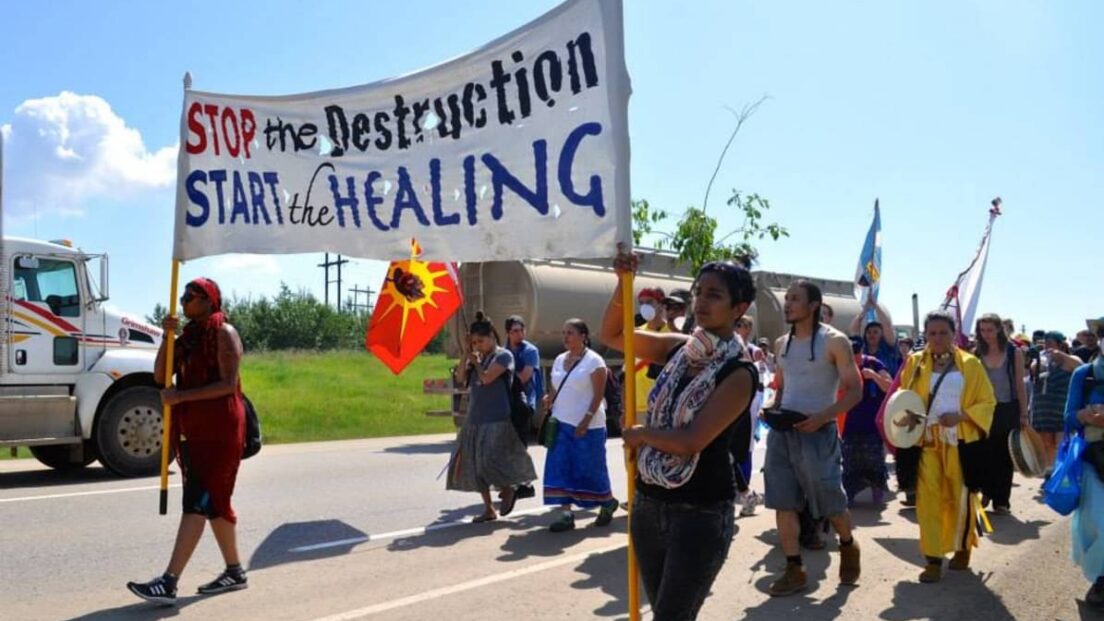
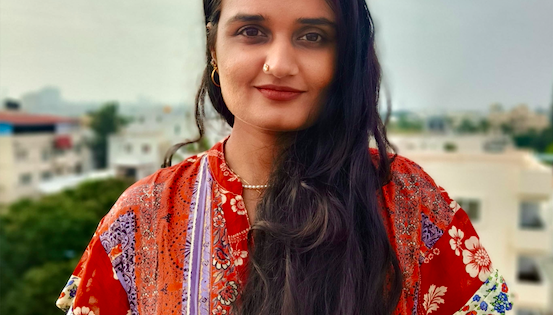
Power of Place is a personal essay series that explores the transformative power of places around the world and how they are being used by communities as sites of resistance and worldbuilding.
I didn’t choose Bengaluru. In some ways it chose me, the way cities do when you’re young and in a hurry. When you get married and follow a path not knowing what lies in store, telling yourself “we’ll see how things go”. That was 10 years ago. I have since unpacked completely.
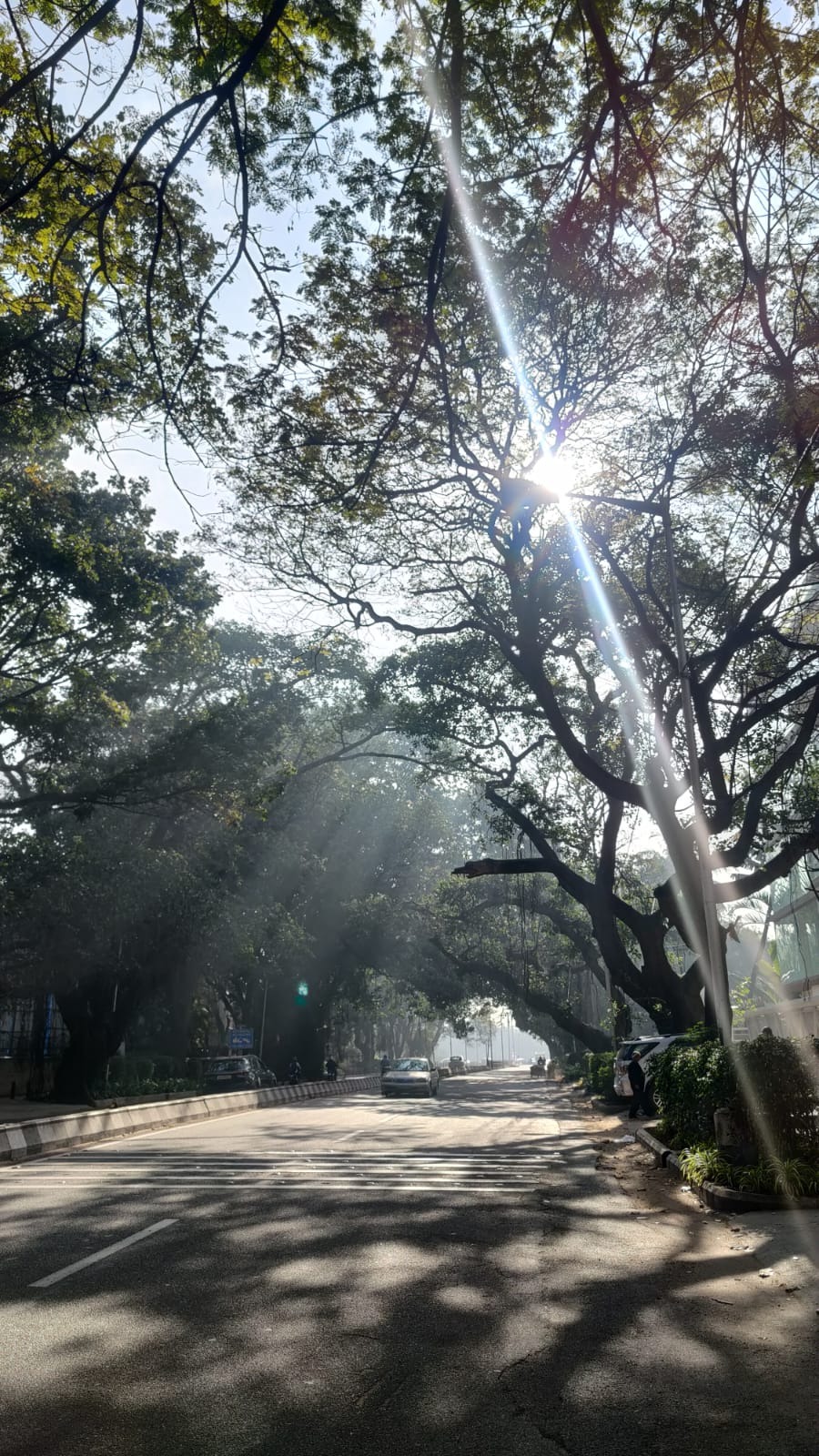
Bengaluru has a way of doing that. It pulls you in through its chaos but also keeps you through its pockets of quiet. For me, these pockets have been its parks and lakes. There’s a park two minutes from my house where I go to think, walk and observe something deeper about people and places.
I came from Mumbai, from noise. There is a particular kind of relentlessness that it wears like a badge. The local trains that are packed at 8am, the sea that doesn’t care about your problems and the feeling that if you stop moving, the city will simply leave you behind.
Bengaluru was disorienting when I first arrived, but in the best possible way. Yes it had traffic and a relentlessness of its own kind, but it also had quiet.
Some of the most democratic places have no entry fee
I have been working at the intersection of democracy, climate, social justice and public engagement for over a decade now and I’ve noticed that people usually talk about democracy as if it lives only in election booths and parliaments.
There is something quietly radical about a space that belongs to everyone and favours no one.
But I have seen it in Bengaluru in humble places like the roadside tea stall where an auto driver and local resident argue or complain about a pothole. In the neighbourhood WhatsApp group and community noticeboard. And more than anywhere, I’ve seen it in the parks and at the lakes where strangers make space and walk together, without either one of them having to step aside.
There is something quietly radical about a space that belongs to everyone and favours no one. There is no entry fee, no membership, no dress code. It doesn’t care if you’re a retired government officer or a construction worker eating lunch.
Which is maybe why, when these spaces are threatened, it feels like something deeper is being taken away.
A lake built for survival
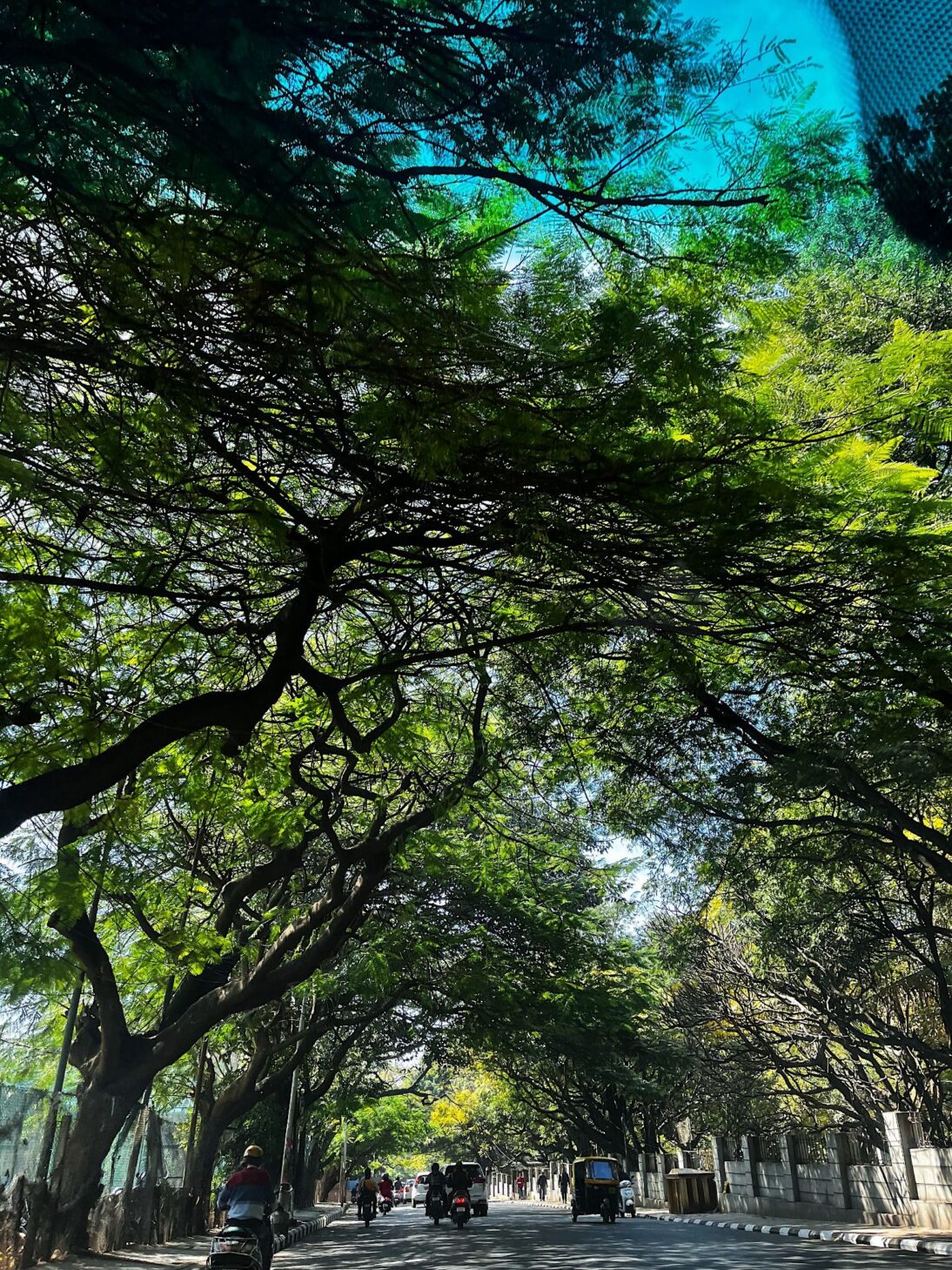
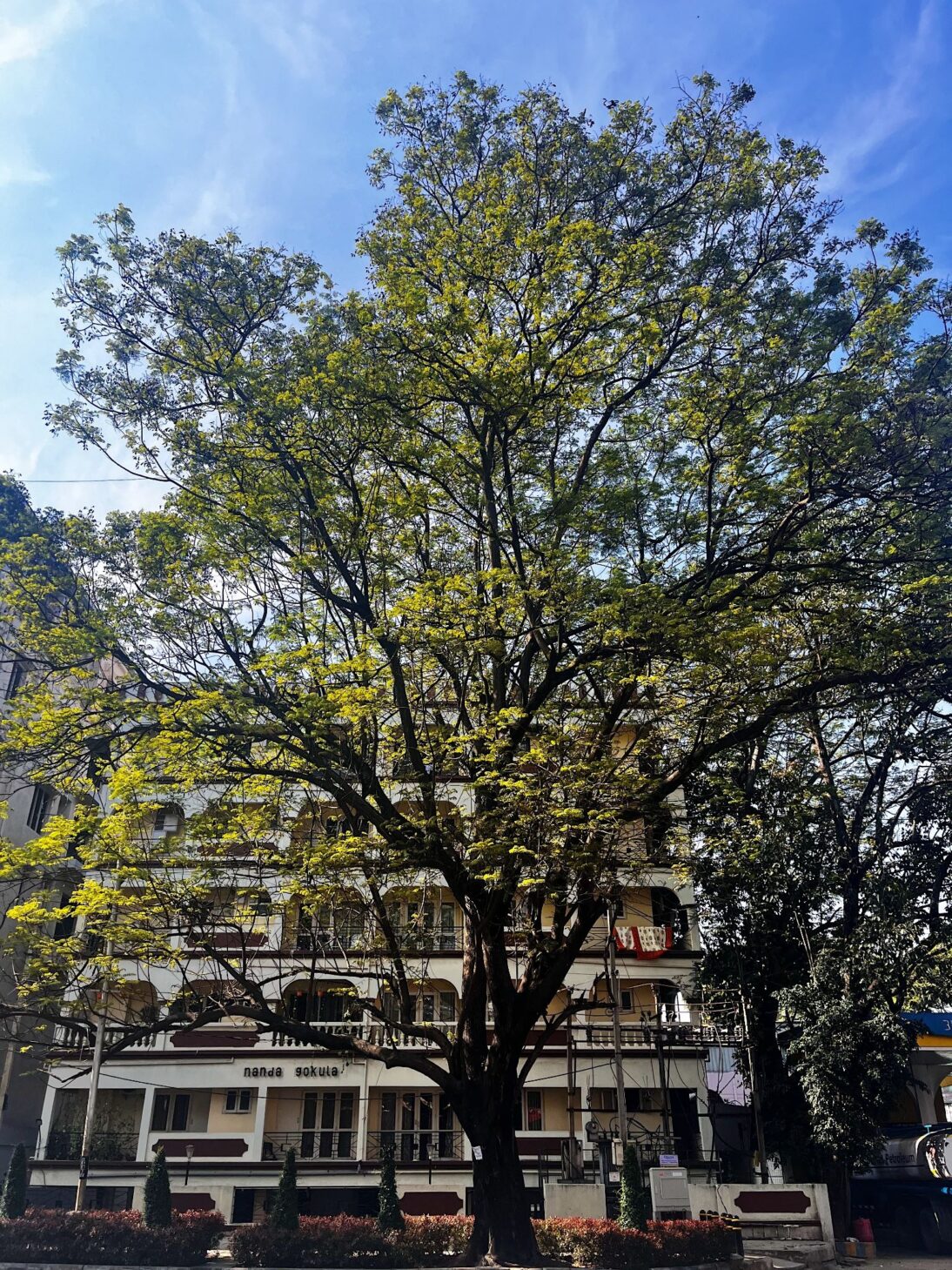
Sankey Tank is a 37-acre lake in the north of Bengaluru, covered by a walking path and old trees like Neem, Tamarind and Peepal. It was built as a reservoir in 1882 to protect against drought after devastating famines in the 1800s. Even the origin story is about survival.
I remember visiting Sankey Tank for the first time when I visited my cousins in Bengaluru during a summer holiday when I was about 12 years old. I was in awe of this huge body of water so close to my uncle’s house.
The lake itself has remained stubbornly beautiful. A place for migratory birds, a recharge zone for groundwater, a morning walking ritual for thousands of people who live in the neighbourhoods of Malleswaram and Sadashivanagar.
But, in 2023, news broke that the Bruhat Bengaluru Mahanagara Palike (BBMP or the Bengaluru Municipality) wanted to widen Sankey Road and build a flyover, felling over 60 heritage trees in the process. Sankey Road is a long stretch that wraps around the lake on one side. Flyovers are usually built with the idea to reduce traffic, but they instead just move traffic from one junction to the next.
The residents of the neighbourhood did not panic. They organised.
The living room where it all started
In January 2023, I was invited to join a group of neighbours to come up with a campaign plan. Suki Iyer, a local resident, and her daughter Kimsuka opened up their home for this meeting, a gathering that catalysed the start of something beautiful.
Within a week of launching the campaign, we gathered over 4,000 signatures and by the end of the month, 2,000 postcards were sent by school children to the Chief Minister urging “Bommai uncle” to save their environment.
They were just people who knew the value of the trees and the lake and decided they were not going to lose it without a fight.
Soon after, the residents who got together gave themselves a name: ‘Citizens for Sankey’. It became an important identity over the course of the campaign and thereafter.
The group was anchored by Kimsuka Iyer and Preeti Sunderajan – two women who have since become my dear friends (and co-conspirators!). Preeti is a dancer and educationist who has lived in the neighbourhood long enough to know every tree on that stretch by sight. Kimsuka is a marketing consultant and now a chocolate maker and spin instructor! They were not activists by profession. They were just people who knew the value of the trees and the lake and decided they were not going to lose it without a fight.
The soul of the neighbourhood
Consultants soon confirmed the campaigners’ suspicions that flyovers don’t solve the issue of traffic congestion. They simply relocate it. And so, when speaking to the press, Preeti asked: “Is the Sankey Road Flyover required at the cost of 60 heritage trees and the ethos and aesthetics of Malleswaram?”
If we lose the trees and the lake, we’re not just losing greenery, but the syntax that makes this place legible.
She made it about the place and what it meant to the community living there. Malleswaram is one of Bengaluru’s oldest neighbourhoods and it has a particular self-possession. A place that retains the old, while making space for the new.
I often think about how places carry meaning, the way language does. We were defending not just a lake and the trees, but the grammar of the city. The grammar of Malleswaram was in its flower market, a century-old temple, the walking path around the lake that everyone treats like a shared living room. If we lose the trees and the lake, we’re not just losing greenery, but the syntax that makes this place legible. We end up with a city that functions, but doesn’t really mean anything. The place loses its language.
We climbed trees and walked in black
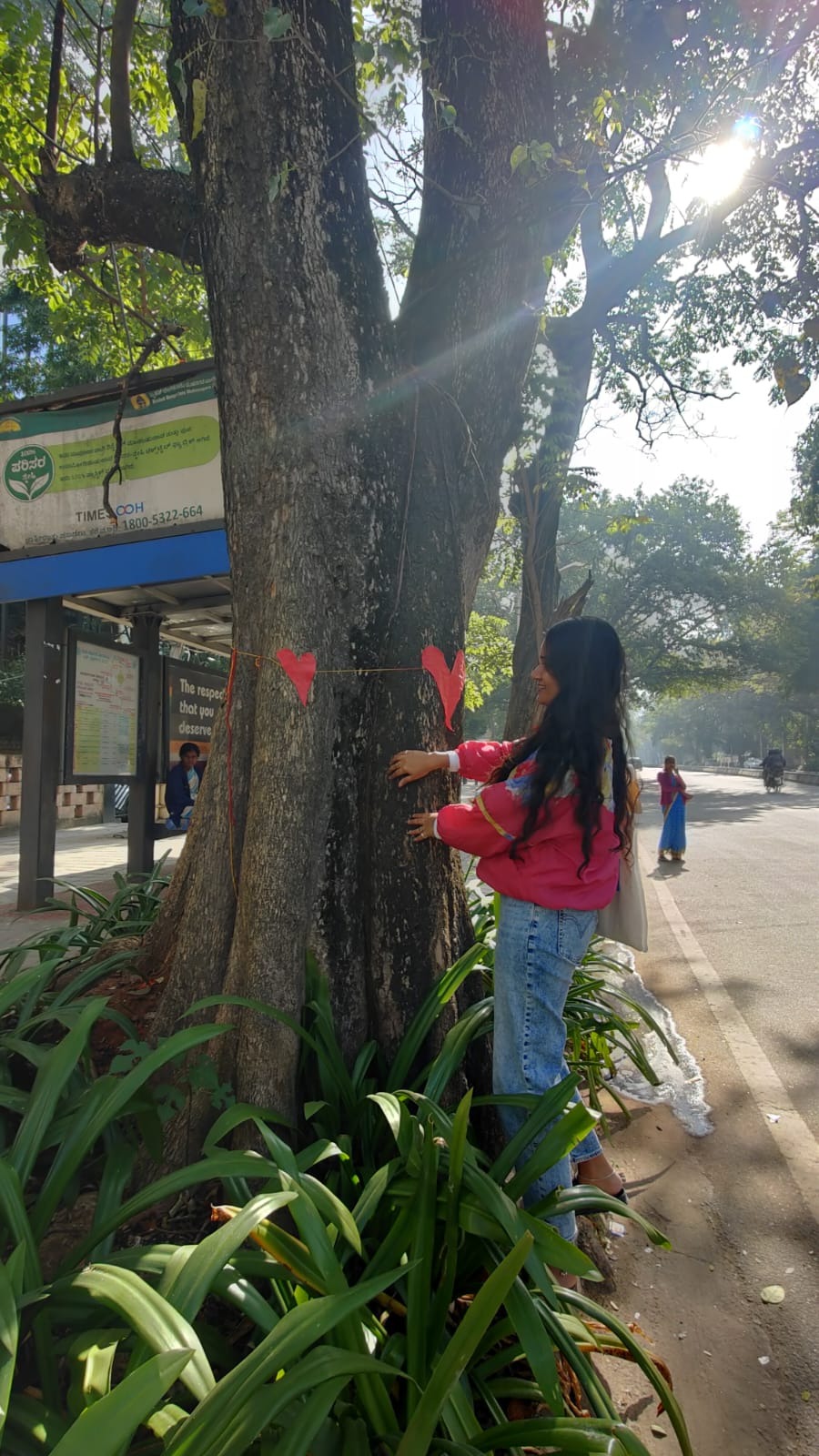
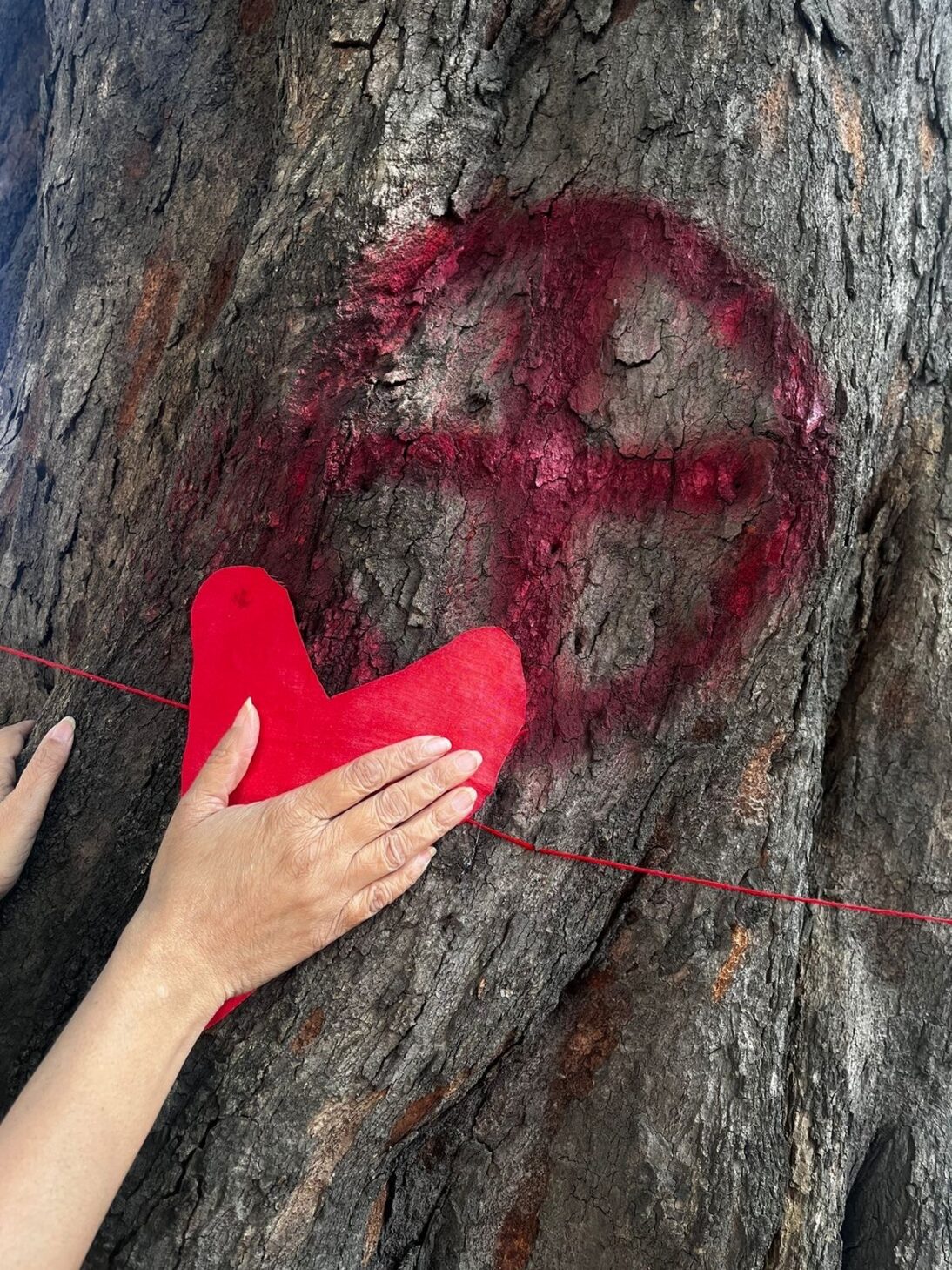
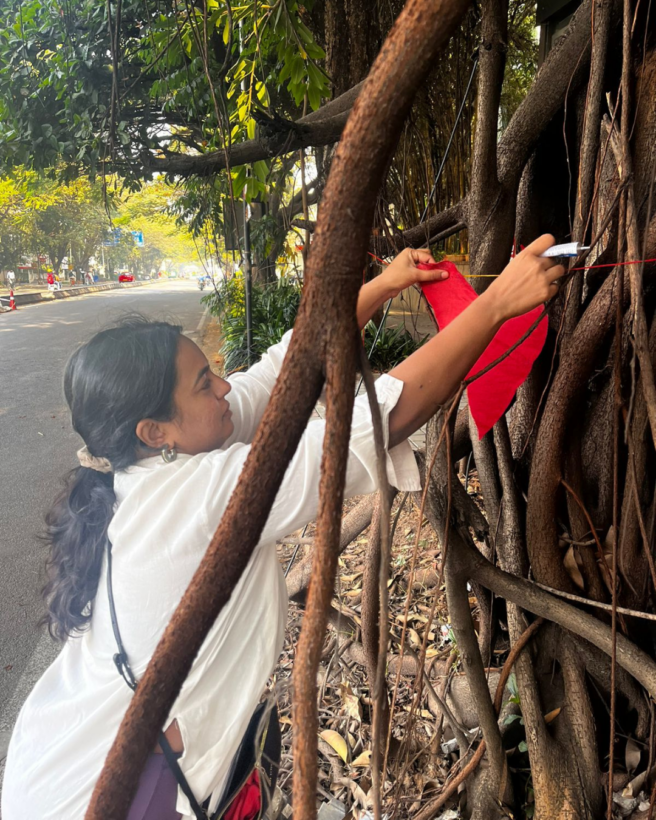
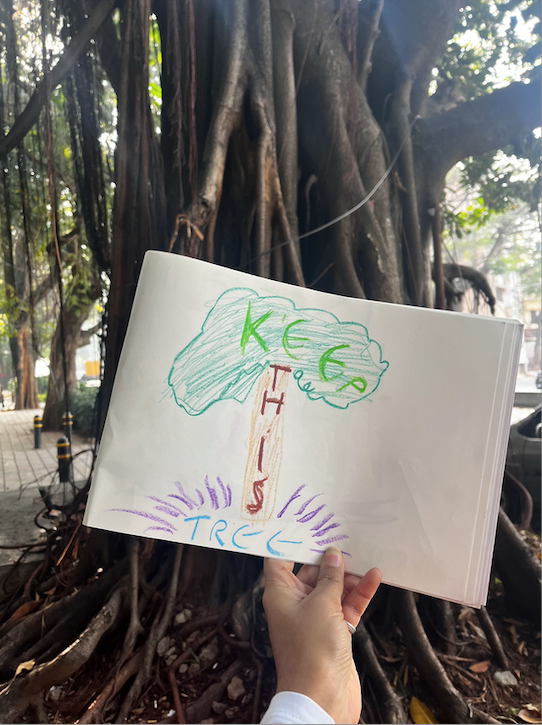
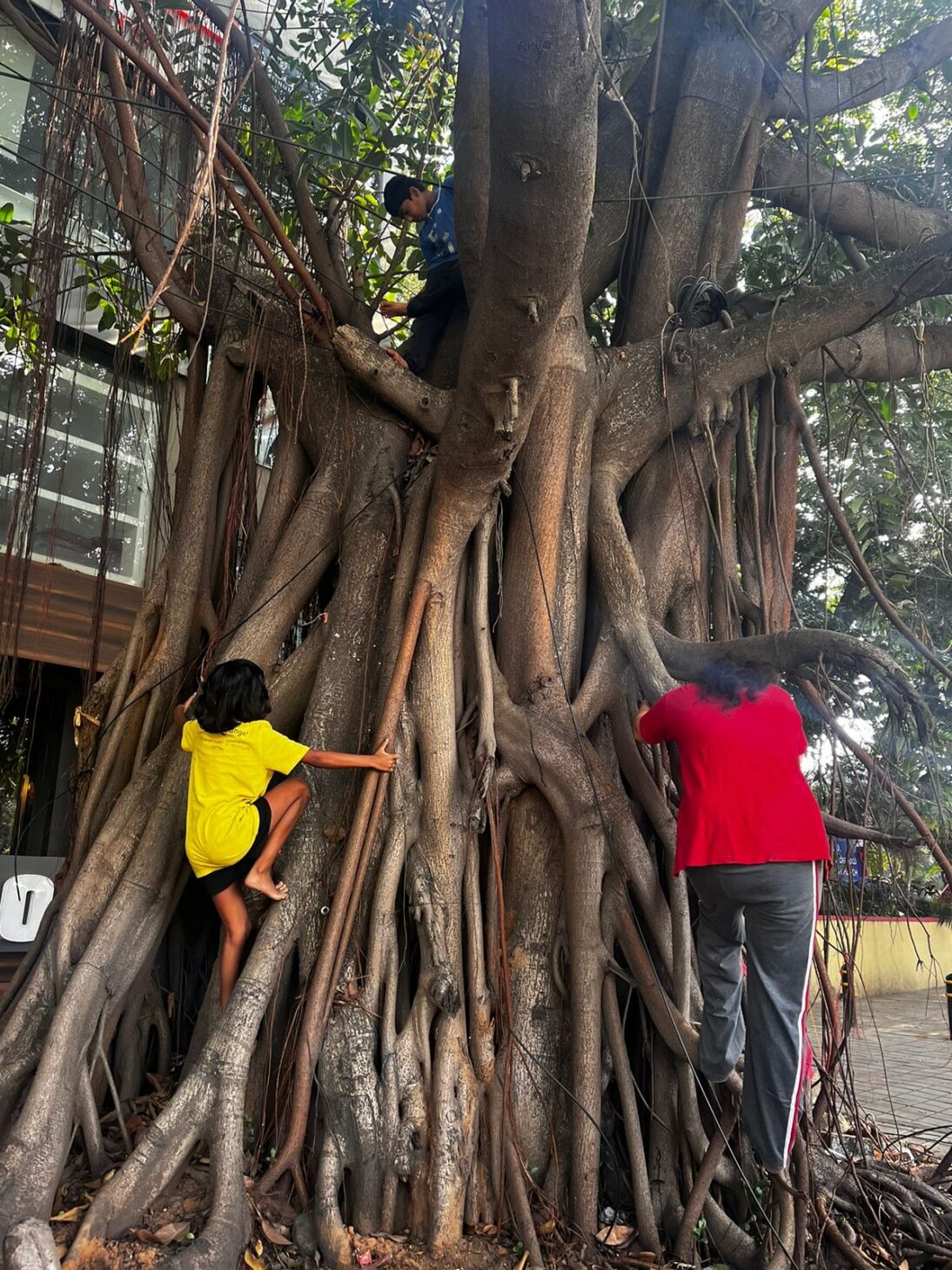
One of the most memorable days of the campaign was 14th January 2023. It was a beautiful Saturday morning and a group of children, parents and grandparents walked the Sankey Road, climbed the giant trees and tied posters and hearts on the branches of the trees under threat.
On 19th February we decided to take this campaign a step further. Nearly 200 of us dressed in black joined other morning walkers at the lake. Ages two to 90. Silent but deliberate. It was an incredible showcase of strength, solidarity and sheer determination in the face of government apathy.
The state’s response was to file a criminal case against 70 of us. The charges – unlawful assembly, obstruction of public way and wrongful confinement – were filed by the police. But the charges meant nothing and to our relief, the Karnataka High Court eventually dismissed the case.
The new government who were in opposition during our campaign, shelved the project once they came to power in 2023. Citizens for Sankey won. For now, we celebrated.
The unwanted tunnel
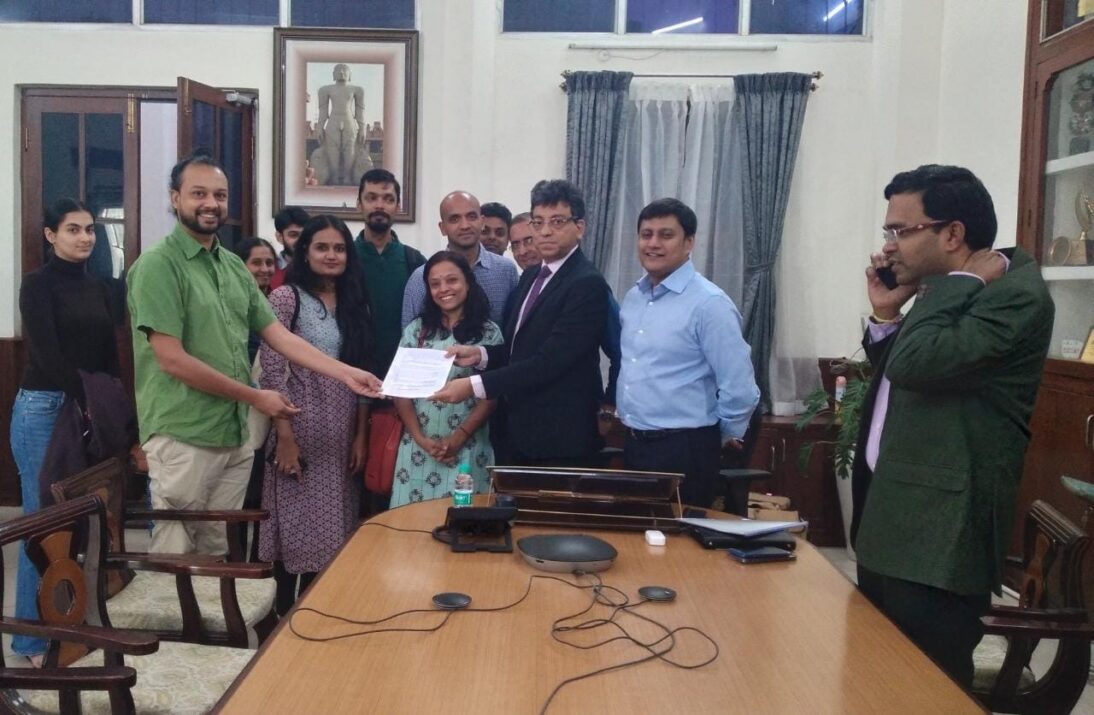
Two years later, in October 2025, the Tunnel Road project came into being. The 17,698 crore INR project is a 16.7 kilometres-long underground tunnel. It was cited as Bengaluru’s answer to our traffic crises. This project had an exit ramp that would emerge right next to Sankey Tank. No environmental study had been conducted. No public consultation had been held. No soil testing had been done.
Preeti Sunderajan and the rest of Citizens for Sankey were back at the microphone once more, fighting for their community and, as I write, the campaign is still underway.
Collective power in unexpected places
What Citizens for Sankey has done, twice now, is refuse to accept a condition quietly. They are not a movement in any formal sense. There is no office, no budget, no registered entity. There is just a WhatsApp group. A group of morning walkers, management professionals, activists, college students and retired elders.
The most sophisticated civic campaigns are often not run by large organisations with strategies and communications budgets. They are run by people who were just angry enough and connected enough to each other to keep going.
A WhatsApp group is not nothing. It is the connective tissue of modern community organising. It is unglamorous, imperfect, sometimes overwhelming and frustrating, but remarkably effective when people in it actually care. It’s about that one person who sends a message at 7am with a campaign update and the people in the group who read it, respond, and show up.
This is what collective power looks like most of the time. Hundreds of ordinary people who decided that showing up was the least they could do. There is something quietly profound about this. The most sophisticated civic campaigns are often not run by large organisations with strategies and communications budgets. They are run by people who were just angry enough and connected enough to each other to keep going.
There is something in the water
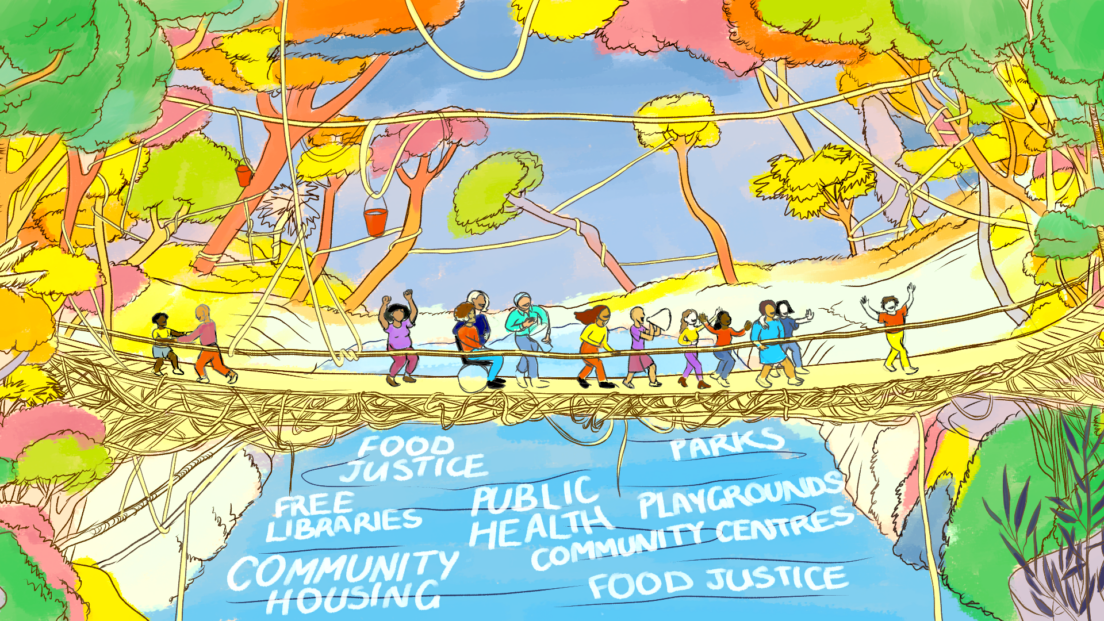
Democracy is supposed to be a ladder that anyone can climb, not a room that a few people lock from the inside. Parks and lakes are some of the last genuinely democratic spaces we have left. Which is perhaps why fighting for them tends to produce the kind of citizens that almost nothing else does.
As Kimsuka recently reflected:
“The most lasting shift came after. Something had changed in the neighbourhood itself. People who had lived side by side for years started knowing each other. We began stopping to talk, checking in, offering help without hesitation. There’s a familiarity and ease now that simply didn’t exist before. It’s subtle, but it’s everywhere.”
As for me, I feel as though the city has adopted me, or perhaps I have adopted it…the distinction blurs after a while. There is something in the water or maybe in the lakes themselves that makes people feel ownership over this city in a way that is rare. In the work I do, I spend a lot of time trying to convince people that their participation matters. That showing up is not futile. Bengaluru, on its best days, makes that argument for me.
One of the things I have come to love about this city is that Bengaluru has always had people who give a damn. Not in a loud or performative manner, but in the way that someone who reads a local municipal notice, shows up to a local meeting, and knows which tree on their street is protected.