How to reduce online addiction
Tips and advice on how to improve our health and build collective power by resisting the extraction of our online world
 Written by Venetia La Manna
UK
Our How To guides offer practical step-by-step instructions of how best to use your individual actions to contribute to wider movements.
Founder of #Offline48 and fair fashion campaigner, Venetia La Manna, offers tips and advice on how to improve our health and build collective power by resisting the extraction of our online world.
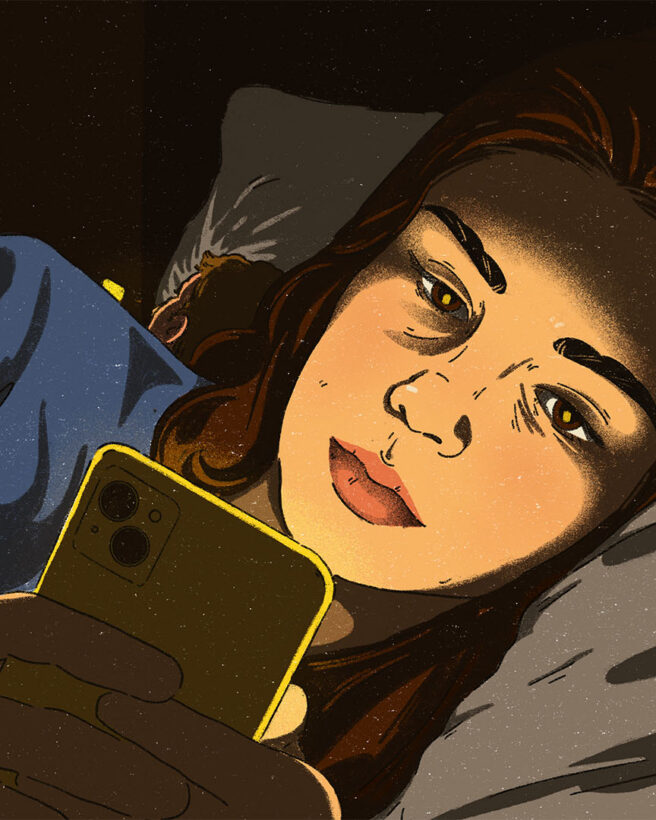
Over 5 billion people now use a smartphone; that’s 70% of the global population. It’s now easier than ever to “be connected”, but excessive social media use is now strongly linked to elevated rates of anxiety, depression and overwhelm, especially for young people. Meanwhile, the fastest growing sector of billionaire wealth is coming from the Big Tech giants.
In a time of hyper consumption, spending time off our phones is one way to put less money into the data mining pockets of these Big Tech billionaires. But what about those of us who rely on our social media as a valuable organising tool? To hear perspectives of marginalised folks routinely sidelined by mainstream media? For the disabled and people with chronic illnesses, our phones can be a lifeline.
As a fair fashion campaigner and content creator, I use social media to amplify the demands of grassroots organisers, worker unions and those impacted by colonialism and imperialism. But I also know first-hand how too much time doomscrolling can impact my ability to focus, take care of myself and show up for the issues I care about. For most of us, going analogue isn’t an option.
Before we get started…
Social media is designed to be addictive. Most apps are “free”, which means our attention – and personal data – is what’s being sold. We are the products.
The average person spends 2 hours and 23 minutes on online products each day. Over the course of one year, this works out as a whopping 35 days online.
As new laws come into place banning young people from social media, it’s essential that we model healthier habits and community-centred care to show our young people that the best, most fulfilling kind of connection happens offline. We can’t expect them to opt in to analogue living, unless we model those behaviours ourselves.
Although the following steps might feel small, this is more than individual action. We’re only going to be able to resist online addiction and the Big Tech bros profiting from our screen time if we work together. The best, most sustainable and appealing way to do this is by supporting and joining communities and collectives that are already working to build systemic change for our collective health.
It might take a little planning, dedication and perseverance at first, but the results could be monumental. After all, we keep each other safe.
So how do we create a relationship with our phones that feels realistic and sustainable?
Step 1: Disconnect to reconnect
In 2018, I launched #Offline48, a practice whereby I spend weekends away from social media in a bid to reset my work / life boundaries, be more present with my loved ones and connect with the living world. For those of us who are parents or caregivers, community organisers or small business owners, taking a full weekend away from social media regularly isn’t always attainable or accessible; so blocking out a weekend in your diary – like it’s a holiday – could be the best time to try this out.
Step 2: Buddy up
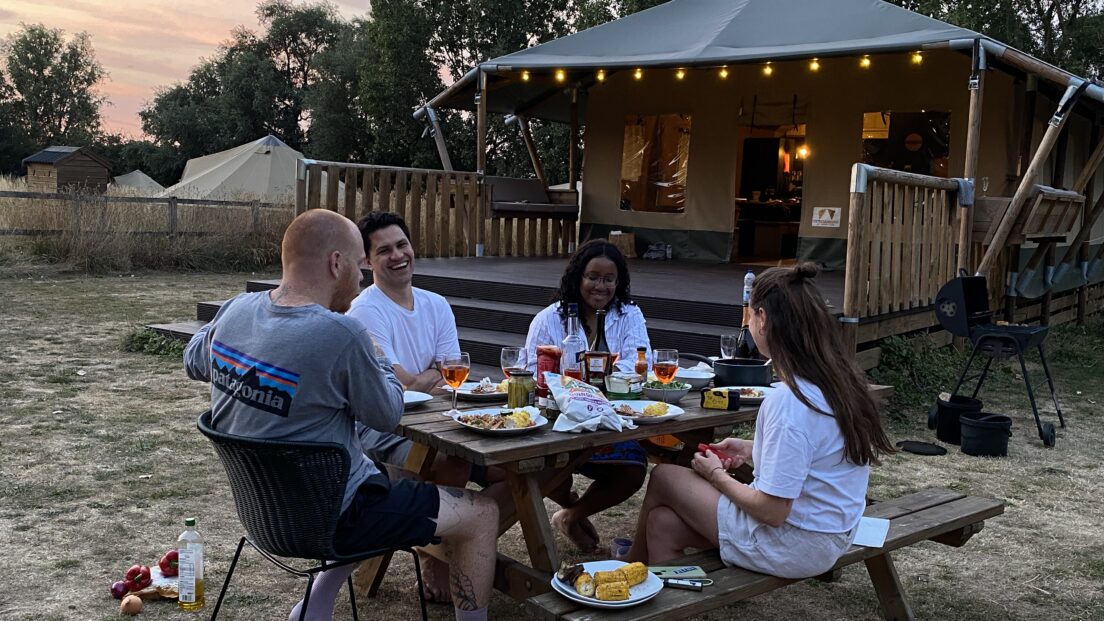
It is much harder to look away from a screen when everyone around you is looking at theirs! I highly recommend buddying up with a loved one for some time offline. If a full weekend feels like too much, suggesting a screen-free activity (a walk, a shared meal) is a great place to start.
Step 3: Sleep without your phone
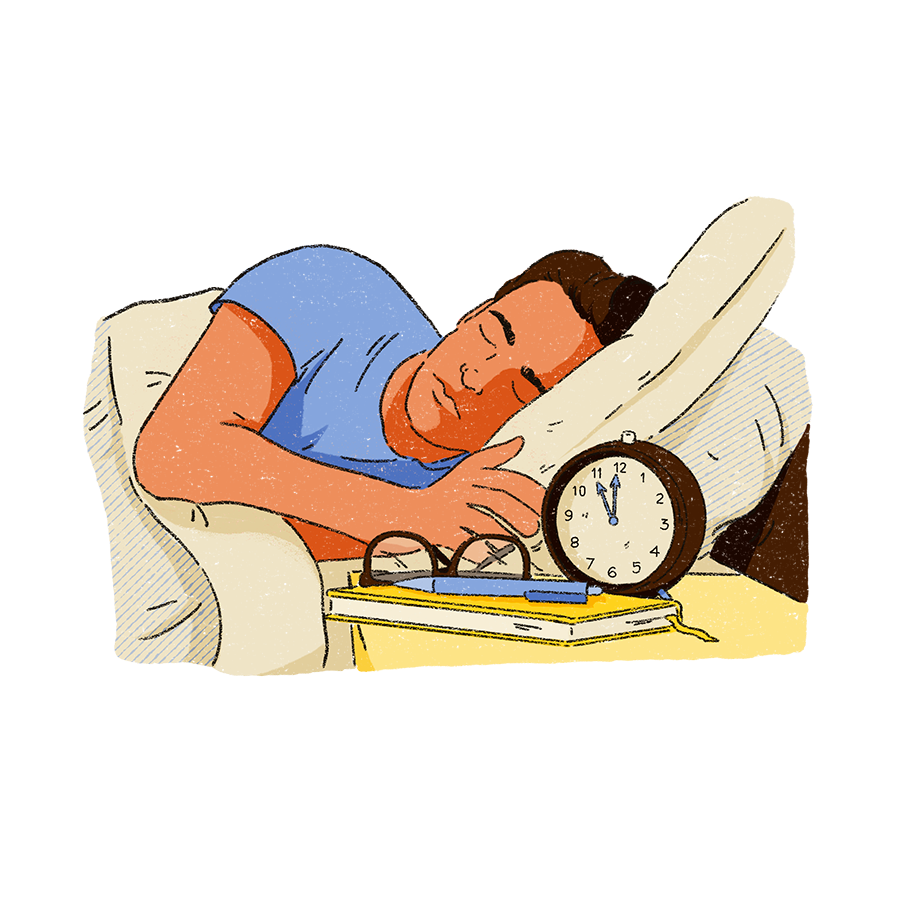
I’ve found sleeping without my phone in my bedroom is the best way to eliminate the chances of scrolling either last thing before bed (which can impact the quality of our sleep) and first thing in the morning (when our cortisol is already at a peak). It’s also the best tool in my box to ensure I read more books. If you rely on your phone as an alarm, invest in a secondhand alarm clock. I find alarms to be a little too alarming (!) so I’ve been using a Lumie clock for the best part of a decade as it offers a gentle sunset and sunrise and a range of calming sounds.
Step 4: Have designated screen-free spaces
I take my TV and film watching very seriously, which means no double screening under any circumstances! If you struggle with this, never underestimate the power of a cinema trip where the blue light is categorically off the cards – or why not start a cinema club with your friends?
Step 5: Set better boundaries with your phone
There are lots of small things you can do to reduce the amount of time you spend online. Using ‘downtime’ to set time limits, apps like Self Control and putting your phone on ‘black and white’ mode can all help. I’d recommend treating your phone like a landline, keeping it in one designated area or tucked inside a drawer where it lives.
Step 6: Learn to meditate
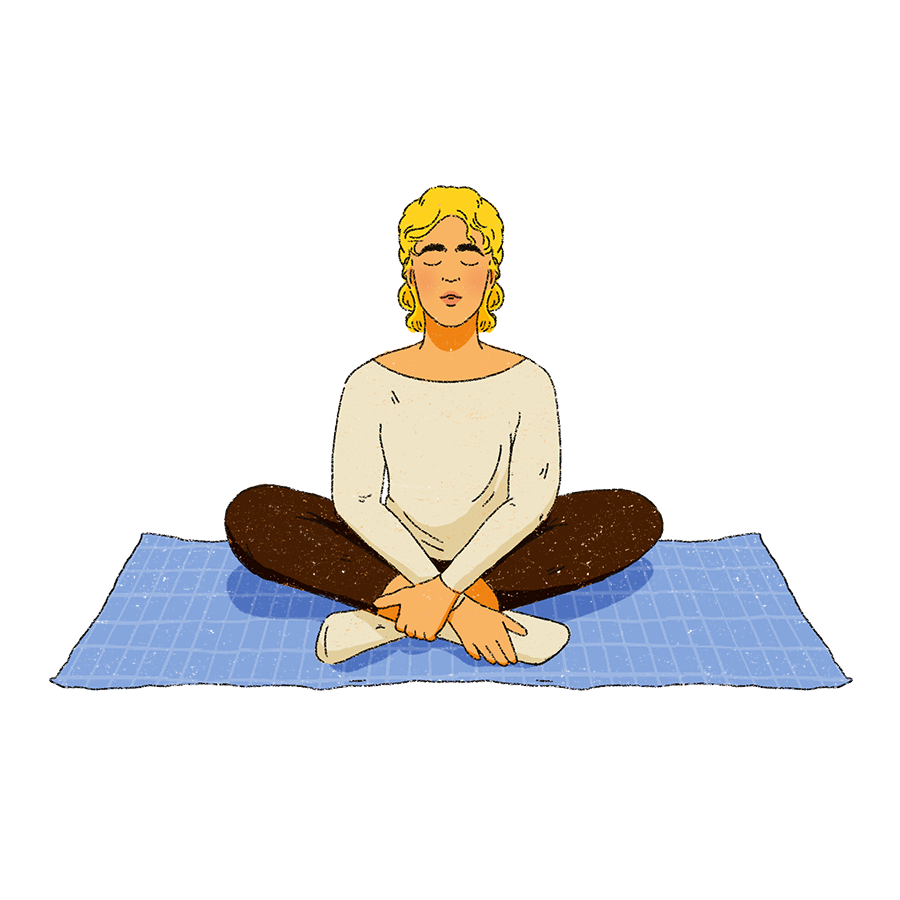
As well as offline weekends, I try to take longer phone breaks (anything from 5 days to 2 weeks) about 4 times a year. I don’t mind feeling bored or nervous about being disconnected and the key to unlocking this was learning how to meditate. There are many apps you can use to start, but I would recommend doing a course (many of which offer a sliding payscale) that means you can develop a long-term practice without your phone.
Step 7: Join screen-free communities and events
Honing in on your specific interests is the best way to find activities that will keep you off your phone. For me, that’s a local community stitch club where we’re all so focused on mending and chatting that no one is looking at their phones. I also volunteer at my local charity shop where I can connect with my community and learn more about my favourite topic, fashion supply chains!