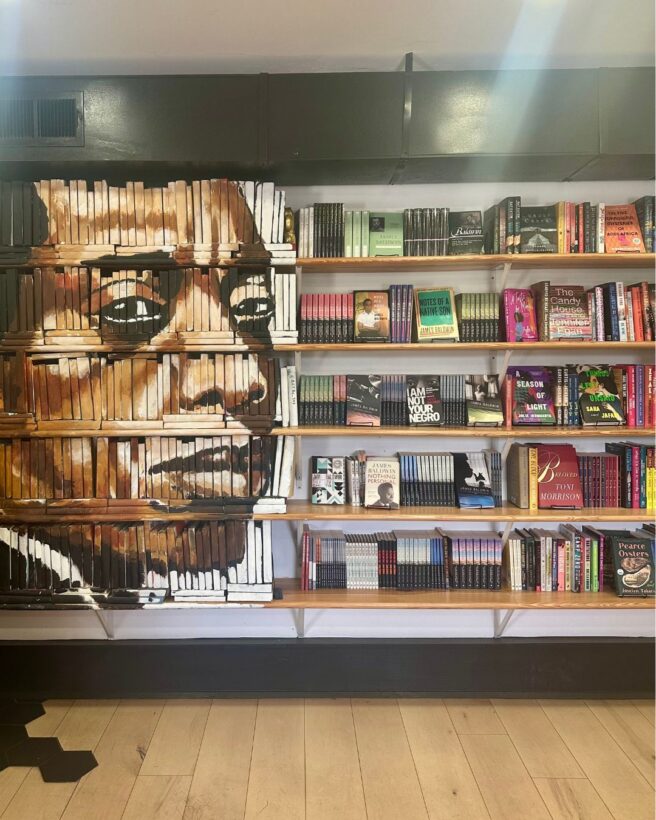
the image shows a crowded bookcase

Would the world be a more empathetic place if we all read more books?

The role of fiction in building bridges and modelling the futures we want to see

Last week I spent some time, as I often do, in a bookstore. It wasn’t one I had ever been to before – it was small, independent and tucked away off a busy street in Berkeley, California. 

I wasn’t planning on going inside; I had errands to run and the store would be closing soon. But as I stood outside, I was struck by a familiar feeling of anticipation and comfort at the thought of escaping the world, just for a little while. And so, I went inside.

Throughout my life, I have always turned to storytelling – particularly fiction – to make sense of myself and the world around me. I’ve spent hours pouring over other people’s words, across countries, cultures and identities – even across time – searching for pieces of myself. A desire to feel understood.

In many ways, I can map my life by the books I was reading at the time. How they informed my interests, led me down rabbit holes to learn more about a person or place and shaped the vision I had for my future. 

In a world obsessed with borders that keep us apart, I’ve experienced how books can create a bridge.

When I think about moments where I took a leap and stepped outside of my comfort zone, I can often trace it back to a story or character who made me feel seen. Whose bravery inspired courage in myself.

Books have also pushed me to look externally. To learn. To connect. To know more about people and places I’ve never been to. In a world obsessed with borders that keep us apart, I’ve experienced how books can create a bridge. They give us a glimpse into the past while allowing us to model the futures we want to see.

Books create community and inspire gathering – from bookstores, to libraries, to book clubs. While standing inside that small bookstore on a quiet street, I wondered if the world would be a better, more empathetic place if we all read a few more books.

So, what are you reading?

The ideas that shape us

  • What is an idea from someone else that has shaped and inspired your worldview/practice?

    A friend once told me: “Making an impact doesn’t have to mean changing the world, it can mean changing your community.” While a simple statement that may feel obvious, it continues to stick with me and shape how I approach my personal and professional life. It puts into perspective how quickly we can be to devalue impact when it’s not on a national or global scale. But sometimes, real change looks like mutual aid with the neighbors on your block, or making the day to day a little bit easier for my younger sister than it was for me. Impact is impact, no matter how small.

  • What is a piece of culture that inspired a shift or idea for you?

    Seeing Cristina Yang on Grey’s Anatomy as a teenager was the first time I, as an Asian woman, saw an Asian character on screen that wasn’t riddled in stereotypes. Rather, she was complex, messy, unapologetically stood firm in her beliefs, and challenged traditional gender roles. Seeing Cristina on my screen week to week expanded what I believed was possible for myself as an Asian woman. It gave me permission to want things I didn’t previously think I was allowed to have, and, ultimately, showed me the incredible power of storytelling and entertainment to change hearts and minds.

  • What is a project that you are most excited about that’s enacting change now?

    A project that I’m excited about, that I am also helping to build, is the National Fund for Women. NFW is a membership-based platform that provides immediate, practical relief for American women while building collective power over time to make our needs impossible to ignore. NFW programs are designed to make everyday life a little easier and get women the support they need, when they need it.

  • What has been an unexpected source of inspiration for you or your work?

    Lately, I’ve been thinking a lot about food as a medium for storytelling and how we can harness it further for culture change. Similarly to books, food holds so much cultural significance and history. It can connect us across time, space, and language. It can create community spaces.

Further resources

  • Book

    by Kaveh Akbar

    A book recommendation that speaks to the power of literature and storytelling in all its forms, and the bridges it can create: Martyr! By Kaveh Akbar 

  • Organisation

    by RadComms Network

    RadComms is growing and strengthening the ecosystem of social-change communications by bringing together a global cohort of communicators to cross-pollinate conversations across a variety of movements, backgrounds, levels of experience, geographies, languages, and political associations and by radicalising the field to focus on building narrative power thereby putting people closest to the oppression at the centre of our efforts.

  • Local action

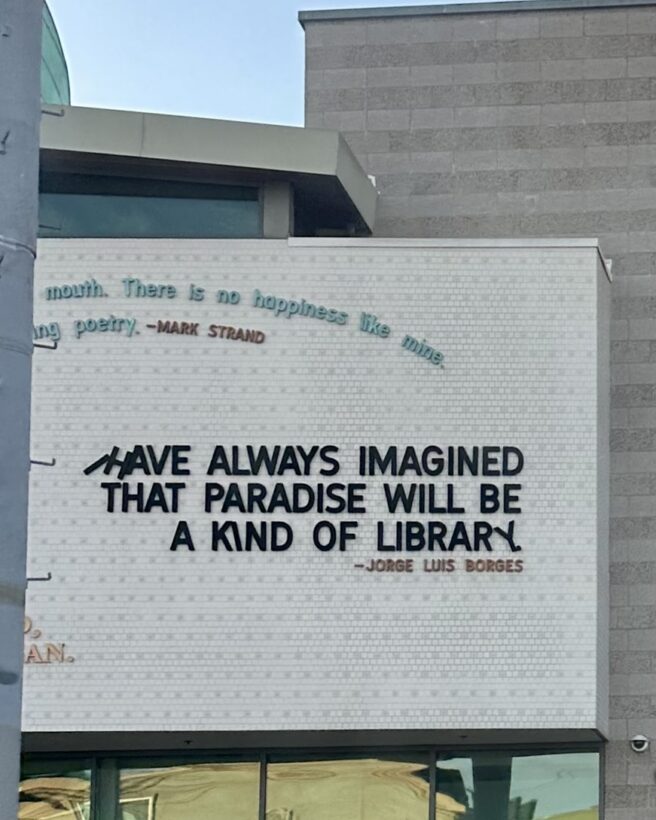
    Public libraries

    Sign up for a library card and engage with your local library! Our public libraries are so underutilised but are full of resources, community programs, and comfortable spaces to read or work.

  • Written by Rachel Birnam

    Rachel Birnam

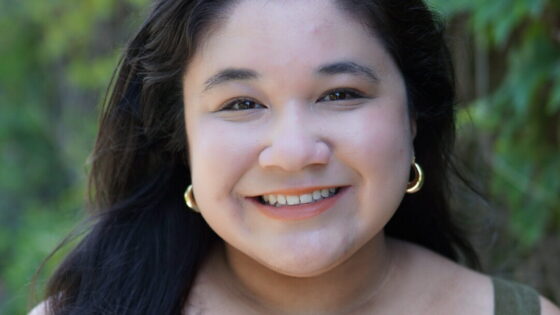
    Rachel Birnam is a cultural strategist with over a decade of experience at the intersection of pop culture and social impact. Most recently at the National Domestic Workers Alliance, she created an entertainment consulting program to improve representation on screen, co-founded the Storytelling With Care short film grant, and executed cultural events such as art exhibits, screenwriters salons, and content creator houses to connect audiences with the domestic worker movement.

Read More

  • What’s your craft?

    Jasmine Rashid explores how crafts can allow us to find refuge, connection and provide us with the tools to create new futures

  • Illustration by Heedayah Lockman. Heedayah says,

    How to listen for community resilience

    Facilitator and community resilience consultant Jo McAndrews offers learning and advice on how to listen meaningfully in community and in our organising.

  • The image shows rows of tables and chairs inside the food court. There are food vendors to the left hand side.

    Finding community at the food court

    Australia based writer and organiser Jon Bellebono writes about the importance of food courts as spaces for community, action and worldbuilding.