Image credit: Naomi Gennery

Leah Cowan on queer futures

Radical queer futures and the power of collective worldbuilding

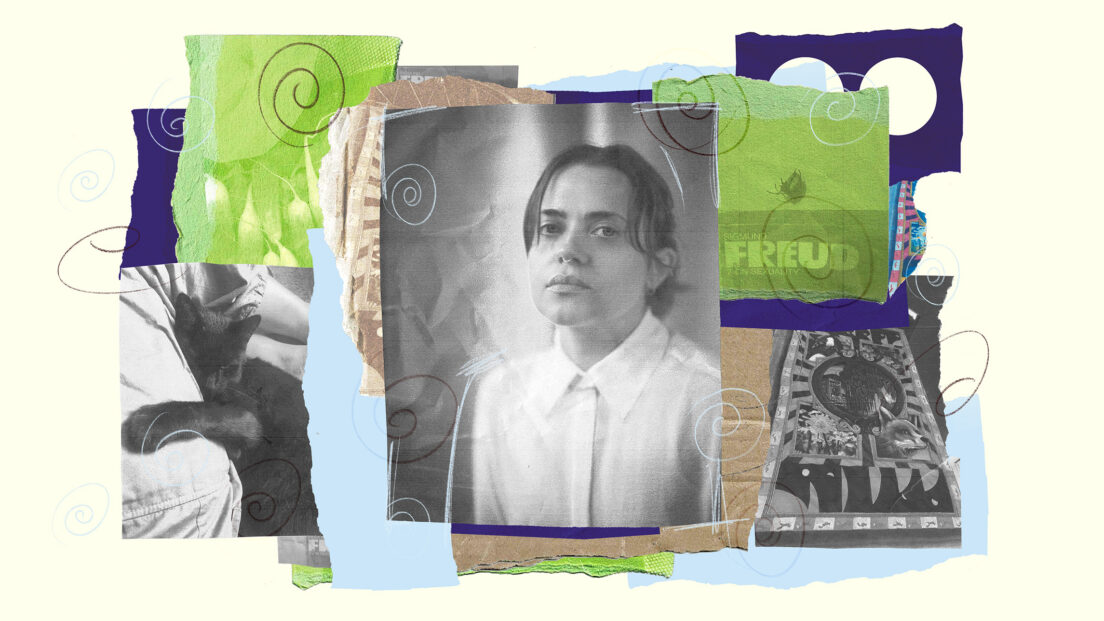
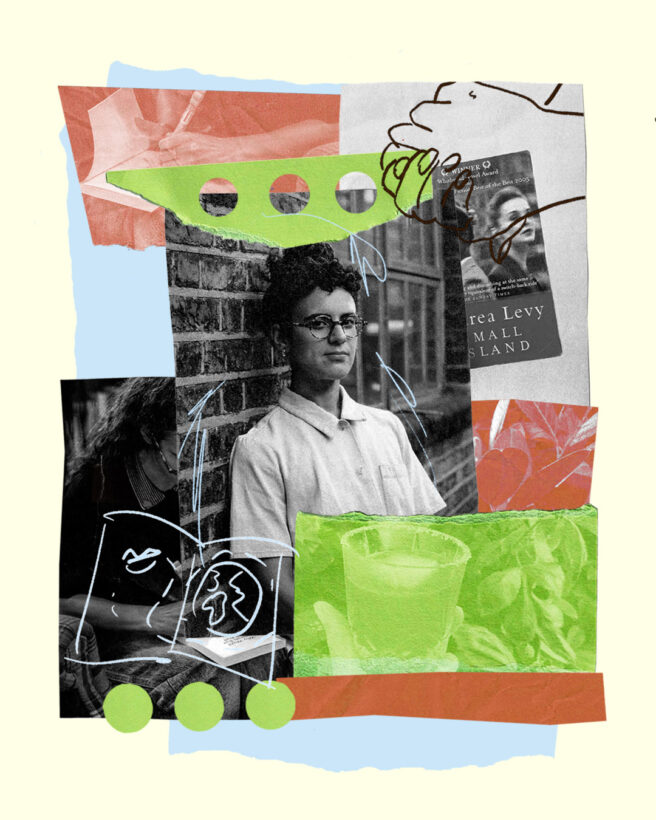
Writer and caseworker Leah Cowan curates a reading list of texts and resources about radical queer futures and the power of collective worldbuilding.

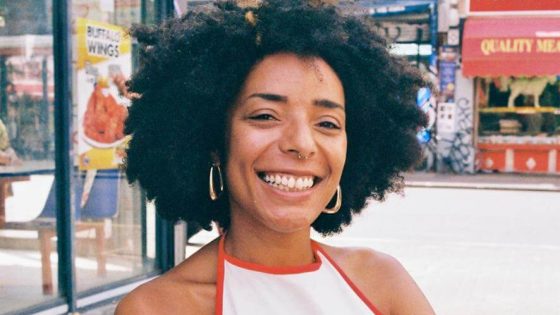
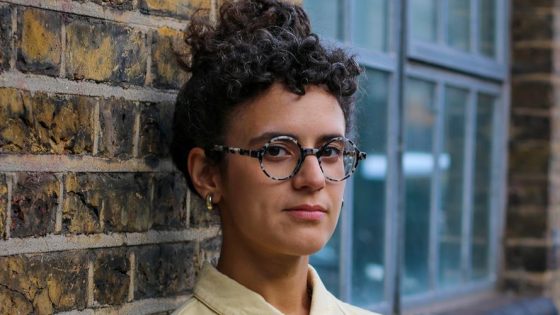
I’m a writer and caseworker who works with families facing border violence and homelessness. My thinking is rooted in a political tradition that is Black, radical and abolitionist – which means committing to dismantling harmful structures and building communities of care. I spend my time writing shirty emails to social workers alongside trying to write about how we might keep each other alive in the face of grinding racial capitalism. In between this I also make cocktails, swim in the sea whenever possible, and jab erratically at the bushes in my garden with a pair of secateurs (‘gardening’).

I chose to avoid recommending anything that just tells us what’s wrong with the world. Instead, my list focuses on the way in which we can work together and get to know each other

When creating this list, I was mindful that the 21st Century so far has felt like a scrappy battle of facts and ideas. So I chose to avoid recommending anything that just tells us what’s wrong with the world. Instead, my list focuses on the way in which we can work together and get to know each other – this is how we’re most likely to shape and change the way we live for the better.


Seven books that changed my perspective

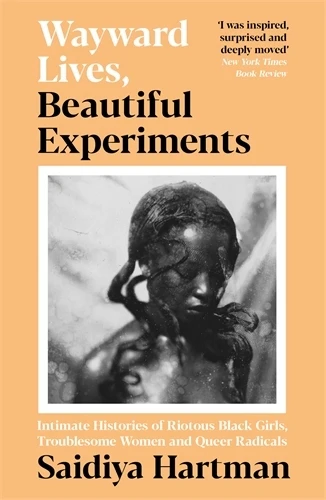
  • Book jacket: Wayward Lives, Beautiful Experiments: Intimate Histories of Riotous Black Girls, Troublesome Women and Queer Radicals

    Through reading this book about overlooked histories of queer, dissenting, Black women in early 20th Century North America, I more clearly understood an intentional trick that plays out through history-telling seeking to prop up racial capitalism: that by elevating only the most documented and more easily comprehensible lives, the stories of people who have resisted the status quo are silently annihilated. I loved this book for its writing on the histories of women living difficult, glorious and riotous lives on the margins, so often overlooked.

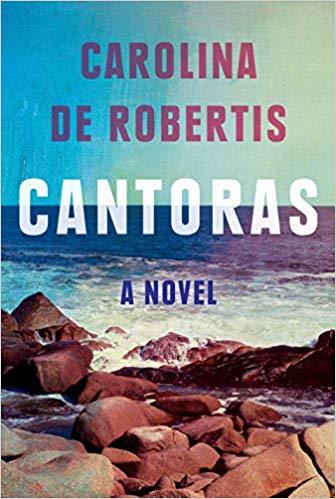
  • Book jacket: Cantoras: a Novel

    Cantoras: a Novel

    by Carolina De Robertis

    (fiction)

    Set across three decades in Uruguay, beginning during the 1970s dictatorship, the book follows the lives of five queer women who build a radical commune by the sea as a respite from their oppressive home environments. This interweaving story is beautiful and compelling: it explores what it means to lay down your life and risk everything to stake out a space for your community. It also grapples with the question of how we do the essential work of living with and loving each other through the messiness of heartbreak, betrayals and conflict. It’s one of the best novels I’ve read for years and I inhaled it in a handful of sittings.

  • Book jacket: Abolishing the Police

    Abolishing the Police

    by Koshka Duff & illustrated by Cat Sims, with other contributors

    (non-fiction)

    Throughout Abolishing the Police, concepts are explained as they arise, making it a very smooth read for those who are unfamiliar with the topic—exactly what a radical text should be. I learnt about how policing tactics are tested and honed in countries colonised by Britain before they ‘boomerang’ back to British soil. And about ‘everyday abolition’ – the carceral logics and processes we must dismantle in our lives, and the practices of care and repair that we can skill ourselves with instead. Right now, I think it’s the best book about police abolition in the UK.

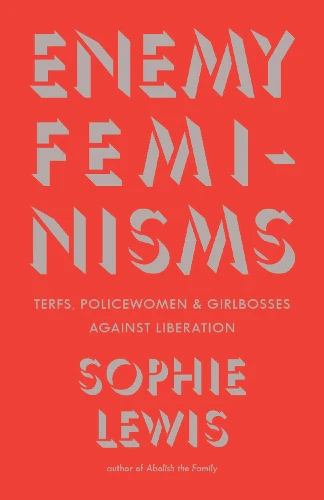
  • Book jacket: Enemy Feminisms

    Enemy Feminisms

    by Sophie Lewis

    (non-fiction)

    From KKK feminists to rainbow-lanyard-wearing police women and everything in between, Lewis conducts a rigorous spring clean of the feminist closet and identifies some truly unsavoury activities carried out in the name of ‘feminism’. We learn that only by meaningfully engaging with the histories of our movements can we forge a useful path forward. I love her writing as it always manages to be both unapologetically acerbic and deeply loving and generous.

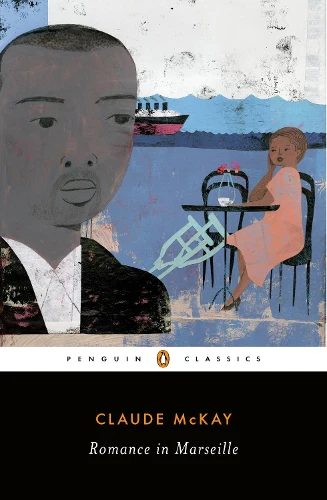
  • Book jacket: Romance in Marseille

    Romance in Marseille

    by Claude McKay

    (fiction)

    Told from the perspective of Lafala, a Black sailor in the 1930s, this novel tells overlapping stories about disability, sexuality, race and class. Lafala is discovered as a stowaway and is detained in a freezing cabin where he develops frostbite, leading to the amputation of his legs. The rest of the story unfolds as he seeks compensation for his treatment, and McKay paints a rich and rebellious cast of queer, sex-working comrades and combatants. The book was considered too radical at the time it was written and took 80 years to be published. Whether you’re joining every other left-leaning young person next summer and jumping on the TGV to Marseille, or in fact, just commuting to work on a slow-moving bus, Romance in Marseille is an essential read.

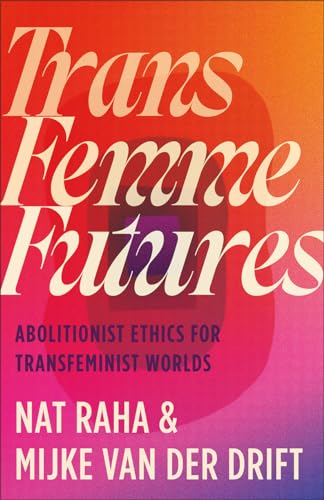
  • Book jacket: Trans Femme Futures

    Trans Femme Futures

    by Nat Raha and Mijke van der Drift

    (non-fiction)

    Trans Femme Futures provides a living manifesto rooted in collective power. The writers refuse the racially capitalist leanings toward disposability culture and division, stating instead: “we are who we are, and we don’t become anything that we are not becoming together”.

    My takeaways from this text were threefold: firstly that transfeminist worldmaking requires us to navigate conflict as negotiation; that we must be invested in each other, and work closely together to build communities of care; and that remaking our social lives requires us to rethink how we relate to wealth, skills and labour.

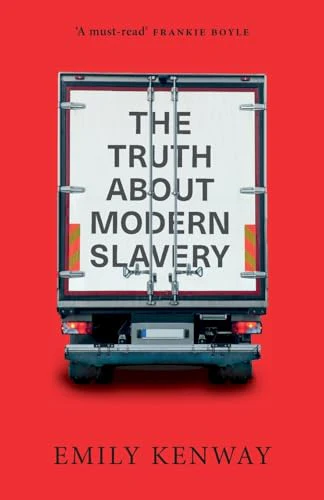
  • Book jacket: The Truth about Modern Slavery

    The Truth about Modern Slavery

    by Emily Kenway

    (non-fiction)

    Kenway explains that ‘modern slavery’ is a term popularised in parliamentary politics in the late 2000s. As a phrase, it leverages a whole heap of British sentimental baggage. It attempts to equate work to address ‘modern slavery’ at a state policy level – bringing in more border controls through which to surveil, and prosecuting people who cross borders or facilitate movement – with largely whitewashed narratives around the British ‘abolition’ of legal slavery in the 19th Century. This is essential reading for anyone looking to better understand how the terminology around ‘modern slavery’ fails to reckon with the root causes of harm and the ultimate site of violence – Britain’s border regime.

Online and on the go

  • Developed by Abolitionist Futures and in collaboration with frontline support workers, community organisers and researchers (including me!), this resource illustrates why strategies for addressing gender-based violence (GBV) that rely on ‘carceral’ systems such as police and prisons don’t reduce harm. In fact, they make society more violent. It also gives good examples of ‘abolitionist’ strategies that identify the root causes of harm and take steps to transform violent situations, so that we can build communities based on mutual care.

  • The word ‘care’ is bandied around a lot as a slightly amorphous salve to the grinding tedium of capitalism. This talk provides practical dimensions to the collaborative systems and processes of care that are essential to our social movements. It is an urgent call to arms for anyone who has ever felt drained and exhausted in the struggle; and wanted to sustain each other in ways that feel nurturing and liberating.

  • Radical Safeguarding - A Social Justice Workbook for Safeguarding Practitioners:

    resource by Maslaha written by Alex Johnston and Latifa Akay (toolkit)

    This workbook is a vital resource for anyone working or existing with children in any context (so, practically all of us). It flips the neoliberal idea of ‘safeguarding’ on its head and invites us to consider what children truly need to be safe. Against the backdrop of increasing surveillance, harassment and criminalisation of young people – particularly those from racialised and marginalised communities – this resource reminds us that we have the expertise and resources we need to keep each other safe.

Musings and more

  • If you could urge folks to read just one text on your list what would it be?

    Definitely Abolishing the Police. The book deftly unpicks society’s psychological attachment to the police and sets out alternatives to policing in a way that feels clear and actionable.

  • What is the book you've gifted the most?

    Small Island by Andrea Levy. It feels like a perfectly executed novel and I envy anyone who hasn’t yet encountered it.

  • Where are you currently finding joy?

    Picking things from my garden (such as blackberries and cherries) and turning them into cocktails. Sometimes I find time to write about them in my newsletter The Sipping News.

  • Written by Leah Cowan

    Leah Cowan

    Leah Cowan is a writer and editor. They also work at Project 17, an advice centre for families with No Recourse to Public Funds who are facing homelessness and destitution.

  • Illustrated by Naomi Gennery

    Naomi Gennery

    Naomi is a UK-based graphic designer and illustrator working at the intersection of creativity and social impact. Her work is colourful, playful, and often rooted in collage, crafts, and DIY culture. Exploring themes of culture, identity, and social change, she hopes people see their own thoughts, ideas, or experiences reflected in her work. Combining design and illustration, Naomi aims to make big ideas feel more approachable and human.

Read More

  • People are dancing outside, and a woman in the foreground is mixing music. The party is very inspired by queer nightlife culture.

    A world with free public dance parties

    For the final episode of the season, New York based activist, resource mobiliser and cultural organiser, Thanushka (Thanu) Yakupitiyage brings free public dance parties to the world.

  • The image illustrates Mohammed's vision for a world with one nation. In the image small drones are dispatched, carrying democratic votes across three different biomes, showing how easily we would move from one region to another without borders. There are two people on the right hand side posting their votes and smiling. In the image there are three different biomes moving from an arctic biome on the left to a temperate biome in the middle and a desert biome on the right.

    A world with one nation

    Director of the Decolonial Centre, Mohammed Elnaiem, invites us on an exploration of a world with one nation. Mohammed offers a powerful case for border abolition, charting the potential of a world where arbitrary lines on the map, competition, and othering are dismantled.

  • In the image there is a city scene with flats in the background. On the left are two people riding a red motorcycle. The person on the back is carrying groceries and waving to another inhabitant on the right hand side of the image. There are cables going from the buildings to show the nature of shared community.

    A world with no landlords

    In this episode, UK-based writer, creative producer and educator Sara Bafo presents the potential of a world with no landlords.