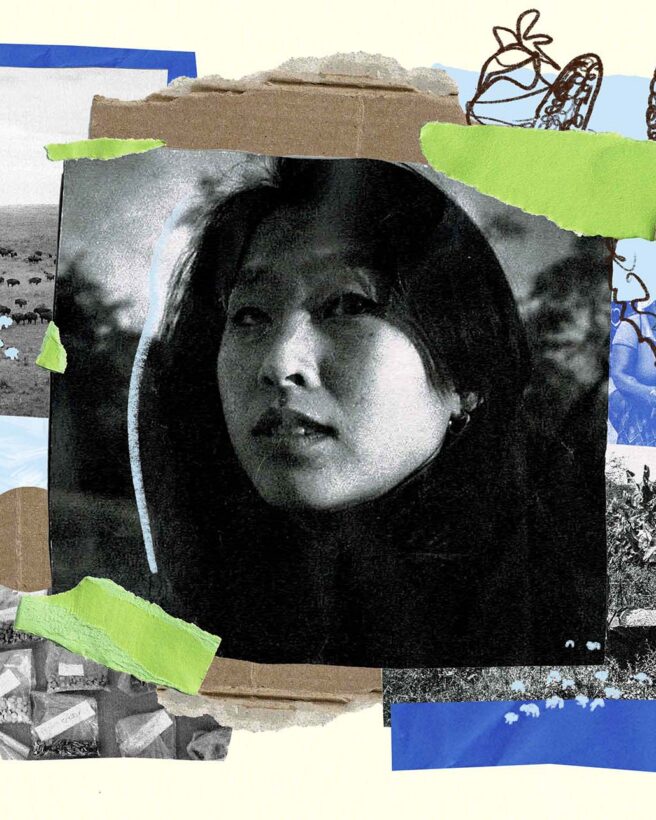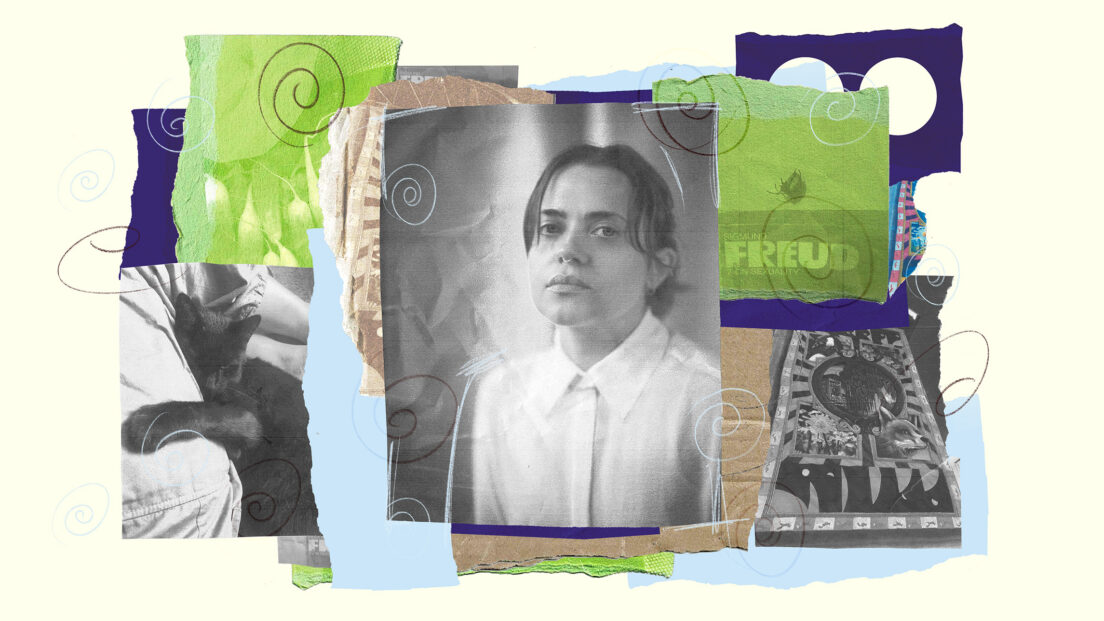

The image shows a picture of HyoJin in the centre with collages of other images around including hand drawn illustrations
Image credit: Naomi Gennery

A Growing Culture on food sovereignty

Finding our place in the web of sustenance

HyoJin Park, from the organisation A Growing Culture, curates a reading list of texts and resources about food sovereignty, food systems and how we can work towards food justice globally.

A Growing Culture is a communications organisation working with small-holder farmers and Indigenous communities, as well as researchers and civil societies, to fight for food sovereignty for everyone, everywhere.

When we say food sovereignty, we mean the right to food that is affordable, culturally-appropriate, nutritious and fair. Not only should everyone have enough to eat, but what we eat should be produced in a manner that is just and sustainable for all those involved in bringing food to our table. 

But our current food systems do not prioritise the wellbeing of people or our planet. In fact, they are killing us and the natural world. 

In this collection, I have included texts that we return to again and again – stories of land, food, the histories of extraction and colonialism that have led us here and, most importantly, our relationship to the systems around us.


Seven books that changed my perspective

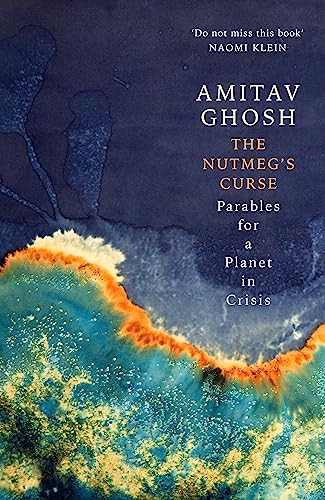
  • Book jacket: The Nutmeg’s Curse

    The Nutmeg’s Curse

    by Amitav Ghosh

    (non-fiction)

    Amitav Ghosh has an incredible way of being both scholarly and poetic in his weaving of history, literature and political theory. He uses the nutmeg here as a way to trace the entanglement of the fossil fuel trade, the COVID-19 pandemic, brutal colonial legacies and the climate crisis. Reading this book gave me the sensation of finally getting a full picture of what we are grappling with and how colonialism has seeped into every facet of our society.

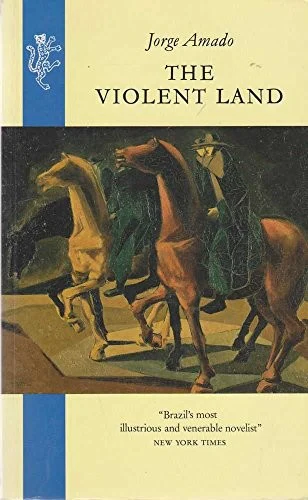
  • Book jacket: Terras do Sem Fim (The Violent Land)

    Terras do Sem Fim (The Violent Land)

    by Jorge Amado

    (fiction)

    This 1943 novel chronicles the land struggles that shaped the cocoa-plantation society in southern Bahia, Brazil. Few books narrate so well the nuanced relationships of coronelismo, the patriarchal power structure inherited from Portuguese colonial times, in which powerful landowners not only used violence to exert control over governmental structures and establish their monocultures, but were also considered providers for and protectors of the poor, trapping them into forced dependency. Often considered to be one of Amado’s dearest books, this story is essential reading for anyone looking to understand the roots of the legacies of violence, deforestation and extraction today.

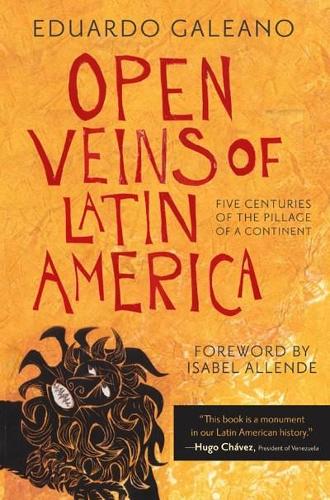
  • Book jacket: Open Veins of Latin America

    Open Veins of Latin America

    by Eduardo Galeano

    (non-fiction)

    Open Veins confronts how the region’s wealth was stolen – gold, silver, sugar, oil – while its people were left in poverty. It doesn’t hold back, calling out colonial powers, foreign corporations and local elites for centuries of extraction and violence. It is informative, angry, poetic and still painfully relevant.

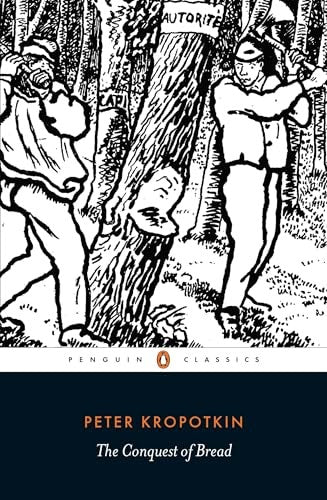
  • Book jacket: The Conquest of Bread

    The Conquest of Bread

    by Peter Kropotkin

    (non-fiction)

    Kropotkin insists that the first act of liberation is to secure bread for all through shared land, collective production and the dismantling of private property. Even though it was written more than a century ago, it made me realise that without control over our food systems, no revolution can endure for long, because hunger forces dependence on the very systems we seek to dismantle. This book changed the way I see revolution, reminding me that freedom starts with something as fundamental as food.

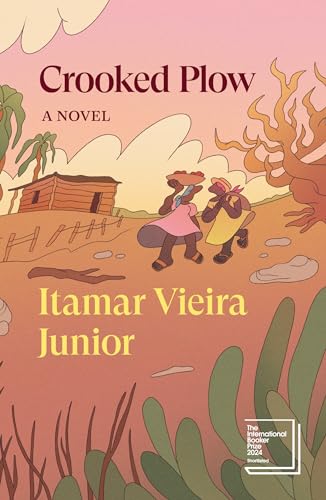
  • Book jacket: Crooked Plow

    Crooked Plow

    by Itamar Vieira Junior

    (fiction)

    This triptych novel set in Bahia, Brazil, defies genres. Three generations after the abolition of slavery, this novel follows a Quilombola community (descendants of African slaves) and the story of twin sisters in the poorest region of Brazil.

    Both fantastical and realist, the heart of this story is the land and its people. There are sections that might feel disorienting. But let it surprise you!

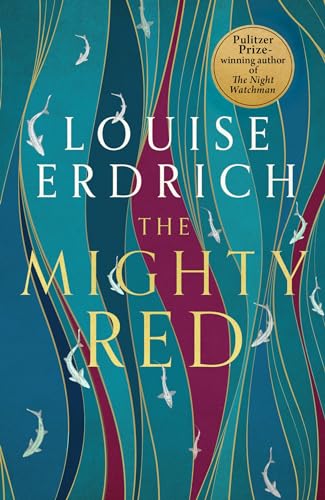
  • Book jacket: The Mighty Red

    The Mighty Red

    by Louise Erdrich

    (fiction)

    This was my first introduction to Erdrich, one of the most significant Native American writers of Turtle Island. The novel’s set in rural North Dakota where small-town gossip, a love triangle and family drama share the stage with the economic meltdown of 2008, the biodiversity crash driven by pesticides and collective grief. All within the setting of a ladies’ bookclub. I carried the book everywhere with me in case I had a chance to jump back in. It’s also hilarious!

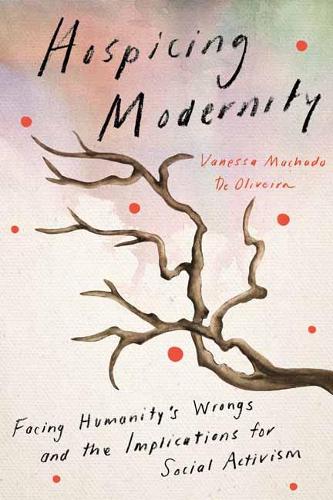
  • Book jacket: Hospicing Modernity

    Hospicing Modernity

    by Vanessa Machado de Oliveira

    (non-fiction)

    I hesitated putting this book here, not because I don’t think it warrants it, but because I think it needs to be read when you’re ready to receive it. It asks us, what does it mean to die a good death? Because the world as we know it is dying right now and there’s no getting out of it. A guide, invitation and an uncomfortable confrontation, it has changed me more than any other text I’ve read.

Online and on the go

  • In this newsletter, Vijay Prashad lays out the latest figures of the food crises and its causes with stark clarity: “Inequality is the engine of hunger.” Any conversation about food sovereignty has to start with a baseline understanding that hunger is not a consequence, but a function of our current broken system.

  • This is the most succinct collection of our learnings over the years. We debunk some of the most prevalent myths of the current dominant food system and reframe them for our path forward.

  • What does a modern Indigenous way of living look like? How do communities reclaim their relationship with the land after decades of trauma? In this beautiful short documentary, the Sicangu Oyate (Rosebud Sioux Tribe in the US) show us that regenerative agriculture starts with recognising our role in the systems around us. It’s part of a film series called Liberation Agriculture that features land-based communities who see justice as the starting point for regeneration.

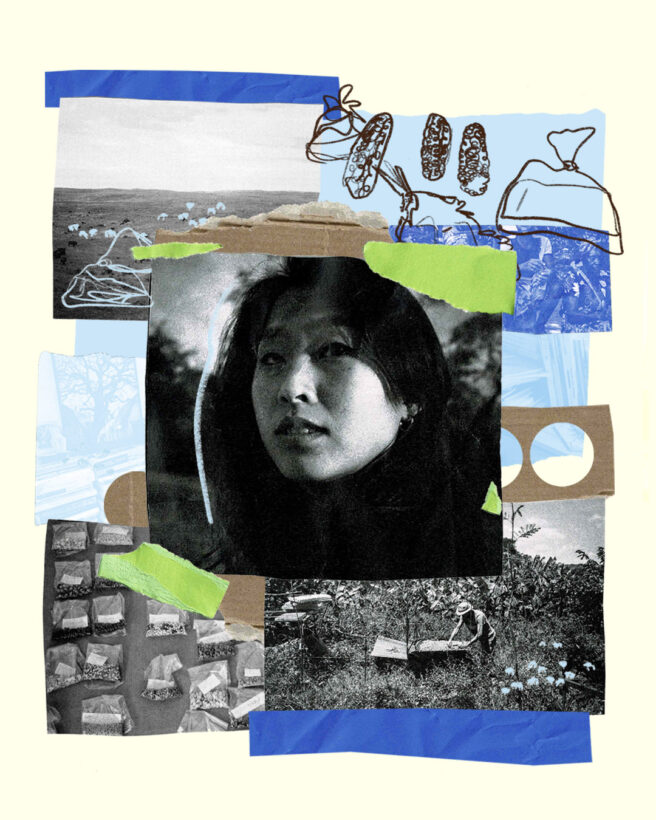
The image shows a picture of HyoJin in the centre with collages of other images around including hand drawn illustrations

Image credit: Naomi Gennery

Musings and more

  • What is the book you've gifted the most?

    Daytripper by Fabio Moon and Gabriel Ba. I think it’s best to go into this cold so I won’t say much more, other than to mention that this is a graphic novel.

  • What is your favourite bookshop?

    During a very brief stint in North Carolina, I found myself in a city with very few public spaces. Bookstores became my place of refuge and two of my favorite haunts from the time are Downtown Books and Firestorm Books in Asheville.

  • Where are you currently finding joy?

    The ladies’ pond at Hampstead Heath in London – the first plunge, the low light between the long reeds, the murmur of swimmers across the water: moments that remind me not to anaesthetise myself no matter how unbearable, because here is what life can be.

  • Written by HyoJin Park

    HyoJin Park

    HyoJin is a multimedia storyteller, straddling the messy space between activism and journalism. At A Growing Culture, HyoJin leads the Press Programme, bridging peasant, Indigenous and small-holder farmer communities with the media space to shift the narrative landscape of our food systems. In her free time, she likes to read, space out and learn about plants.

  • Illustrated by Naomi Gennery

    Naomi Gennery

    Naomi is a UK-based graphic designer and illustrator working at the intersection of creativity and social impact. Her work is colourful, playful, and often rooted in collage, crafts, and DIY culture. Exploring themes of culture, identity, and social change, she hopes people see their own thoughts, ideas, or experiences reflected in her work. Combining design and illustration, Naomi aims to make big ideas feel more approachable and human.

Read More