How to listen for community resilience
Learning and advice on how to listen meaningfully in community and in our organising.
 Written by Jo McAndrews
Stroud, UK
Our How To guides offer practical step-by-step instructions of how best to use your individual actions to contribute to wider movements.
Listening for community building is a simple yet radical intervention and something I have been involved in for the last 30 years.
In my practice, we create deliberate spaces where people can speak and be warmly heard without debate, fixing or interruption. Here, listening means paying attention to someone’s lived experience and feelings, and reflecting back what we’ve understood so they feel seen, heard and cared for.
Skilful listening is something I believe we all need to learn, for ourselves and community organising, as it grows strong and trusted relationships where people feel a sense of belonging. This encourages sustained engagement and is a powerful communication tool that minimises conflict and increases capacity for organising and worldbuilding. Listening in this way is simple but also rare and takes practice to get good at it.
Listening is a radical political act. It grows cultures of care, dignity and collaboration that create the deepest foundations of the inclusive and just world we are working towards.
We can practise this skill in everyday interactions, and in more formal structures such as listening buddies and circles. Small, local practices of co‑regulation and relational care directly support wider systems change by modelling the just, inclusive world we are working towards.
Before we get started…
Around the world, community and activist groups share values and urgent goals and in these circles we often assume that ‘we are all good people and so we can easily work together’.
But the most common obstacle to effective work is conflict, misunderstandings and unspoken hurt due to a lack of understanding and experience of principles of care, and a belief that attending to feelings gets in the way of urgent action. Too often we see this leading to burnout and people no longer having the capacity to continue.
Healthy relationships, respect and awareness of others’ feelings, and a sense of belonging are vital for creating regenerative systems change and research from Interpersonal Neurobiology shows that our nervous systems need to feel that we matter and that others care about us. When we feel heard, we can think clearly and collaborate well. This knowledge is still held and practiced in communities who are connected to their Indigenous heritage, but has been lost in many cultures due to the breakdown of collective living.
In this context, listening becomes a radical political act. It grows cultures of care, dignity and collaboration that create the deepest foundations of the inclusive and just world we are working towards. Even one person who is committed to listening with care and warm curiosity can shift a whole group culture towards one that is more welcoming and understanding.
So how can we intentionally and thoughtfully learn the skill of listening?
Step 1: Make deliberate opportunities to practise warm listening
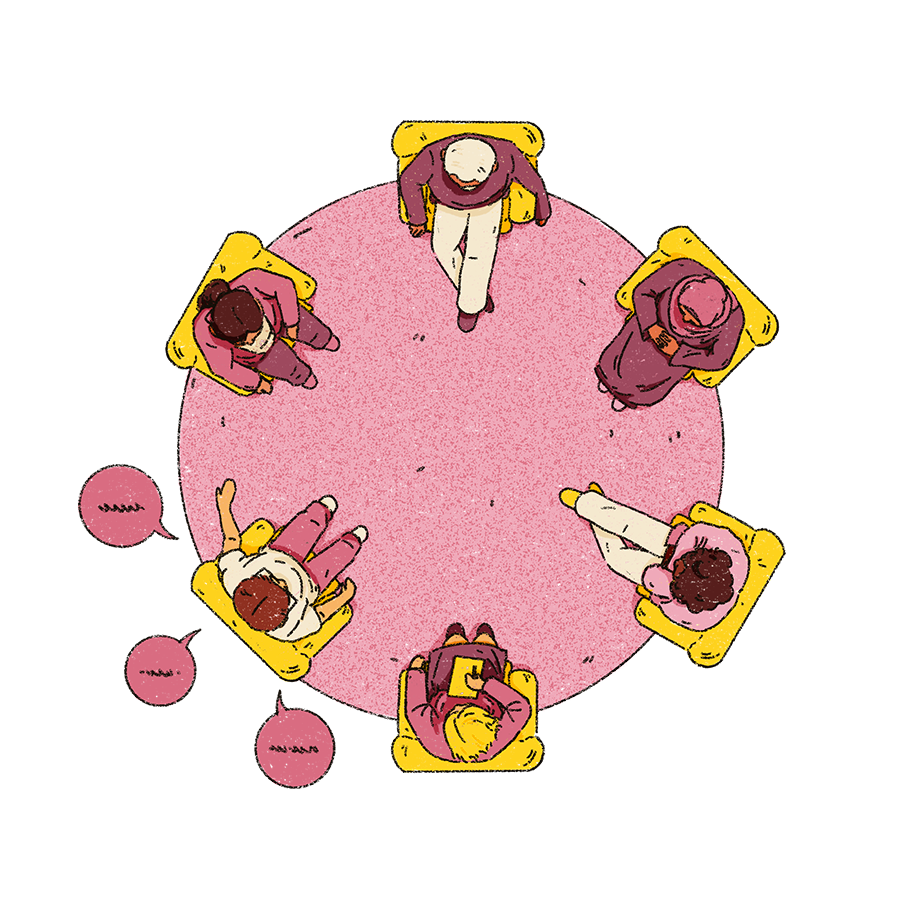
This type of listening might feel strange at first and needs practice. An ideal way to start is to find one or more listening partners and make a regular time to listen to each other. Listening circles are also great ways of building trust, belonging and resilience in your group or community.
Be explicit that this is a listening space for feelings and lived experience, not a debate, planning meeting or ordinary conversation. It is not ‘therapy’. The intention is just to hear and understand each other to support a healthy culture of belonging.
Step 2: Create a simple structure and boundaries
Make practical agreements about when, where and how often you will do your listening practice. It is helpful to set a timer so that each person has the same amount of time. Confidentiality is essential to create safety and openness.
Make it clear that the listener will not interrupt or respond with advice or challenges. In a listening circle, make agreements about how the time will be shared and offer the option to pass if someone is not ready to speak.
Step 3: Practise nervous system settling before you begin
Listening and sharing can touch strong feelings and requires relaxed attention. Start with a brief grounding practice: a few slower breaths, feeling your feet on the floor, noticing the support of the chair. This helps each person’s nervous system move towards a settled state, which shows that you are available and ready to listen.
Step 4: Listen for feelings and experience, not for agreement
When it’s your turn to listen, focus on the other person’s world: What are they feeling? What has happened to them? What matters to them? When you notice disagreement, fixing or “me too” stories rising in you, gently set them aside.
This kind of listening is not about deciding who is right, it’s about making room for different perspectives. Your job is simply to stay present, curious and kind, even if you don’t share their experience.
Step 5: Reflect back with warm resonance
This is the tricky bit to do well! At the end of the other person’s turn, offer a brief reflection of what you heard using your own words, while staying close to their meaning. Focus on what they have actually said and how they feel, not analysis by saying, for example: “I heard how exhausted and alone you’ve been feeling, and how much you still care about this group.”
Keep your tone warm and accepting. The aim is that the speaker feels seen, heard, understood and cared about. Avoid adding advice, solutions or your own stories at this stage.
Step 6: Thank and welcome what has been shared
Explicitly welcome what the person has brought by saying, for example: “Thank you for trusting me/us with that,” or “I’m really glad you said this here.” Naming the courage it takes to share, especially uncomfortable or dissenting experiences, helps shift group culture towards belonging and inclusion, whilst growing the capacity to have difficult conversations.
This is a political act: to include all voices and value wider perspectives. If anything arises that needs to be followed up, agree a next step, but do not jump into a process at this stage.
Step 7: Swap roles and reflect on the process
Switch listener and speaker roles so everyone experiences both sides of the practice. Afterwards, take a few minutes to reflect together on how it felt to be listened to like this. Did you feel heard and understood? How was it to listen to one another in this way? This exploration deepens learning and supports shared responsibility for the practice, so that it starts to become an everyday skill and part of your collective culture.
Step 8: Integrate listening into your ongoing work
Find ways to include this practice in your regular organising: e.g. taking 10 minutes to talk in pairs, taking turns to listen to each other and reflect back what we have heard. Pair listening at the start or end of meetings, regular team check-ins to keep connected under pressure, or listening circles to debrief from big events or crises. Weaving it into existing structures will make it practical and sustainable.
Over time you may notice clearer decision making and power sharing, and more people feeling able to bring their whole selves into the work and wanting to stay involved.