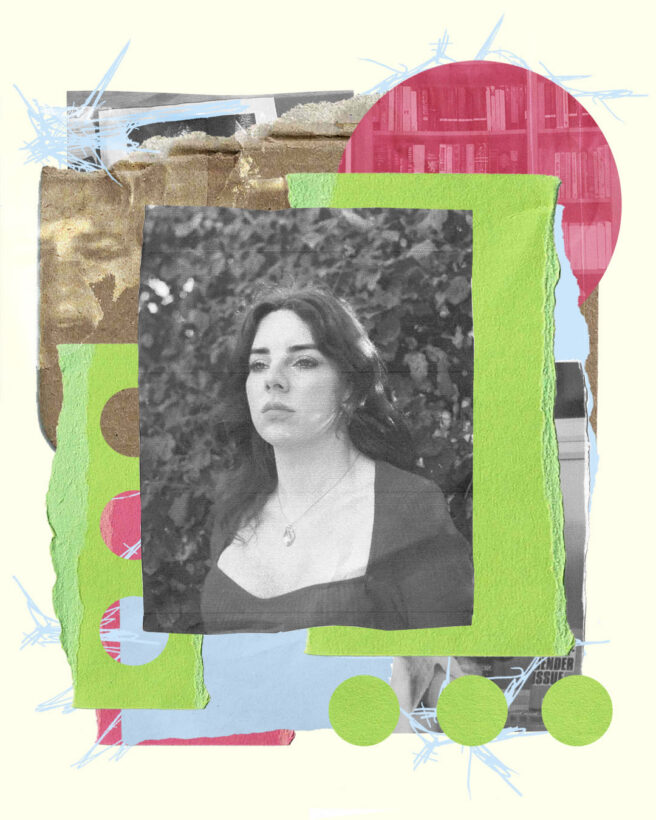

The image shows a collage mix of photographs and hand drawn illustration overlain with scrapbook images such as tape and rough edged paper. In the centre of the image is a photo of Shon
Image credit: Naomi Gennery

Shon Faye on rethinking violence and power

Socialist and feminist perspectives

Author Shon Faye curates a list of books and other resources that help us to consider what purpose violence serves in our politics.

I have found that it is impossible to shape a queer and trans feminist politics without thinking about and talking about violence. Being a trans woman, I know what it is like to have one’s experience of the world sculpted by the threat of violence against you while simultaneously being framed as the violent threat to others. I think it’s impossible to be a feminist without thinking about violence: imperial, state, domestic, sexual and economic. 

Better understanding violence is integral to building better futures because we need to be able to recognise the violence of the systems that control our lives in order to create alternatives, and also to think critically about the solutions we really need. 

If that weren’t enough, the monstrousness of what we have all been witnessing in Palestine, and the complicity of the British state, in the past few years, has made me realise how bad our political institutions are at protecting us from violence – often becoming the perpetrators. I have therefore become more and more interested in violence as both a psychic and political phenomenon.

The following books and resources have helped me to try and better understand the role of violence in human psychology, nationhood, gender and society.


Seven books that changed my perspective

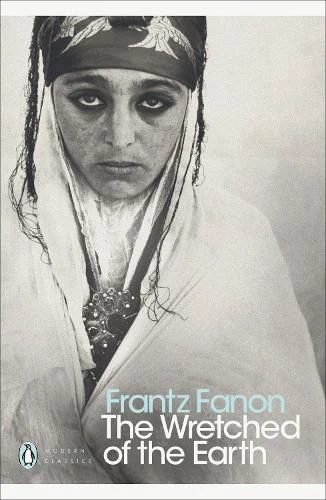
  • Book jacket: The Wretched of the Earth

    The Wretched of the Earth

    by Frantz Fanon

    (non-fiction)

    This is one of the most significant works about colonial violence ever written. And, as a white person growing up in the West, this book helped me to grasp the idea that my own inclinations towards pacifism and nonviolence must be contextualised by an understanding that violence comes in many forms. 

    The violence of colonisation is often rendered invisible or institutionalised over time and is psychic as well as physical. Fanon argues that many revolutionary struggles of colonised peoples have necessitated armed resistance and that this is in fact a form of counterviolence. 

    This book was criticised by many of Fanon’s contemporaries, such as Hannah Arendt, on publication, and remains controversial – but it is an essential read.

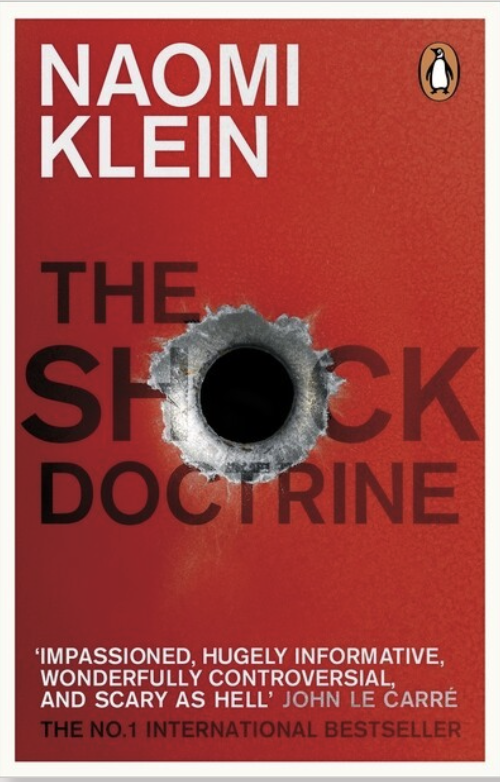
  • Book jacket: The Shock Doctrine

    The Shock Doctrine

    by Naomi Klein

    (non-fiction)

    There isn’t a modern political writer whose work I admire more than Naomi Klein. All of her books are worth our time, but The Shock Doctrine contains a fascinating analysis of how the “War on Terror” and the 2003 invasion of Iraq (among other other historical disasters) were exploited by political actors to implement unpopular free market capitalist policies like privatisation, while civilian populations are too stunned to realise what is happening. It helped me to understand that the violence of warfare often serves to make elites great wealth.

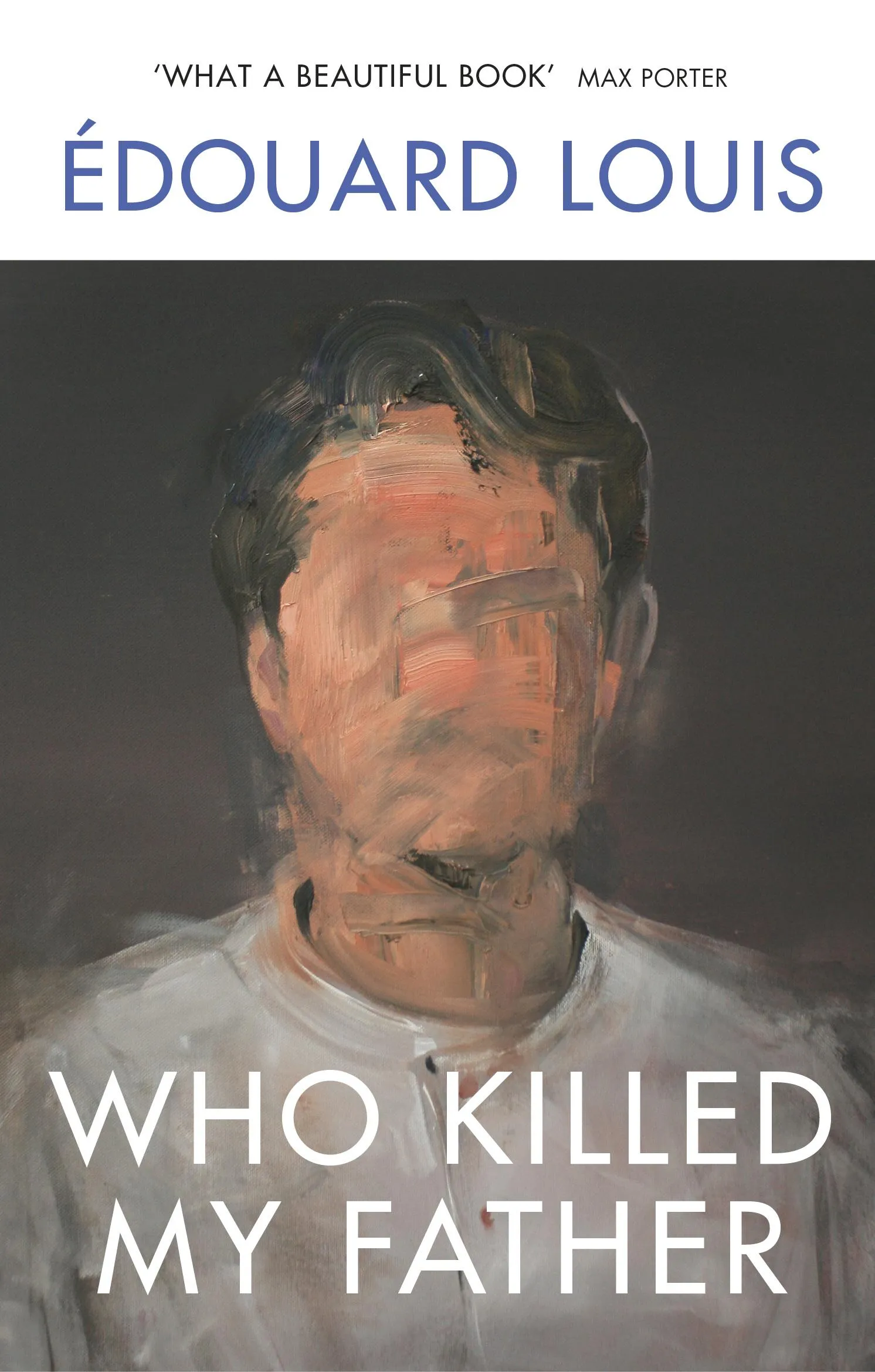
  • Book jacket: Who Killed My Father

    Who Killed My Father

    by Edouard Louis

    (non-fiction)

    This novel is styled as a letter from the narrator, a gay working-class writer, to his now aged, dying father. It not only explores violence as it appears in the family and in dysfunctional patriarchal masculinity (Louis’ father was a terrorising, violent figure throughout his childhood), but also in its social forms. The book also suggests that France’s long neglect of its working classes – men like the narrator’s father –  is itself a form of violence.

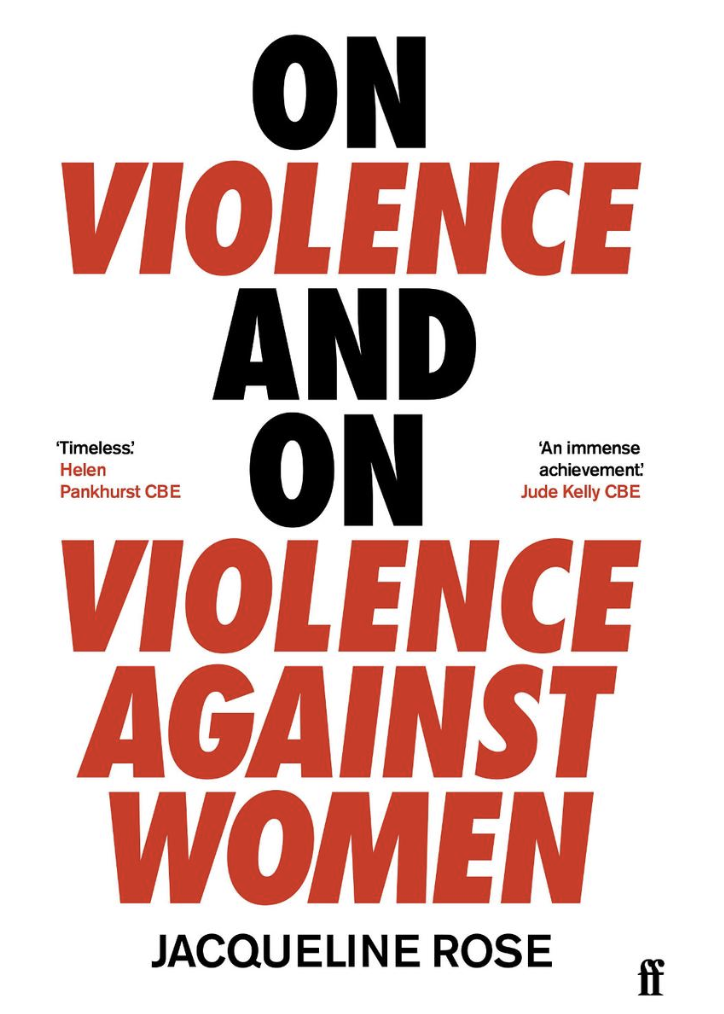
  • Book jacket: On Violence and On Violence Against Women

    On Violence and On Violence Against Women

    by Jacqueline Rose

    (non-fiction)

    There isn’t enough modern feminist analysis of violence (it became an unfashionable topic in feminist thought after the 1980s), but Jacqueline Rose’s 2021 book is an exception. Leaning on Hannah Arendt’s work, Rose argues that misogynist violence is a product of extreme ‘thoughtlessness’, its perpetrators unable to think about their desire to inflict pain. It made me realise that too much of contemporary feminism ignores the role of violence in shaping women’s lives, and even in shaping womanhood as a political category.

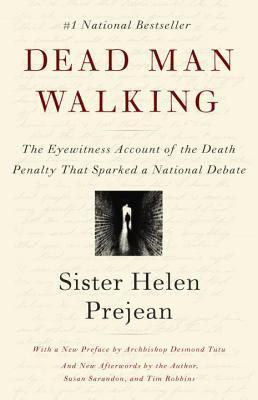
  • Book jacket: Dead Man Walking

    Dead Man Walking

    by Sister Helen Prejean

    (non-fiction)

    I first encountered this memoir by a Catholic nun visiting violent killers on death row in the United States, 20 years ago when I was at school. Prejean’s relationship with men who have committed heinous crimes and her own rejection of capital punishment, compels her to reflect on the nature of harm and how we can possibly forgive it. In one memorable part of the book, she speaks to the families of the victims of the men she is advising spiritually and feels their fury. This book forced my younger self to consider the nature of criminal justice and whether justice can ever lie in execution.

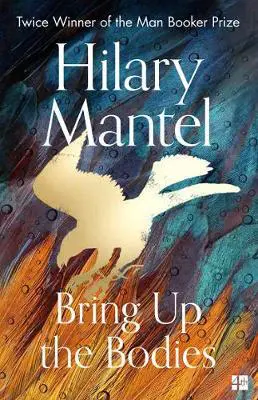
  • Book jacket: Bring Up The Bodies

    Bring Up The Bodies

    by Hilary Mantel

    (fiction)

    One for the fiction readers. While there is very little violence in this book (except the beheading of Anne Boleyn at its conclusion), its narrative is shaped by the constant threat of it: the book’s opening describes the London summer as a “riot of dismemberment”. It is a fascinating study of how political power is shaped through and by violence.

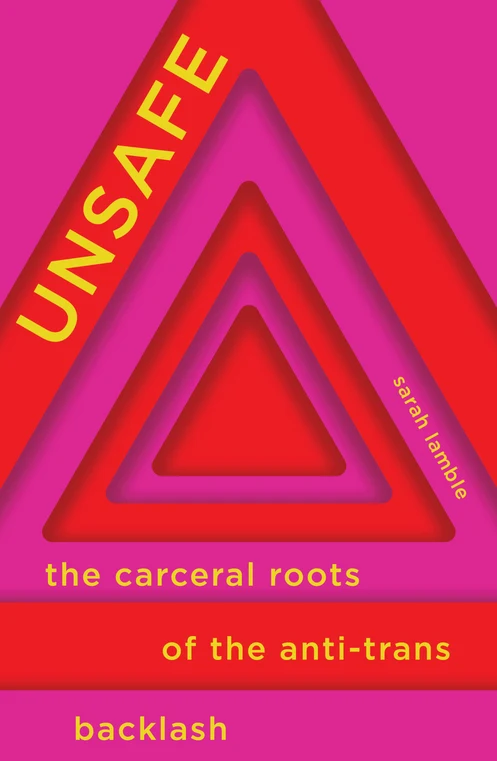
  • Book jacket: Unsafe: The Carceral Roots of the Anti-Trans Backlash

    This book is brand new, but clarified so many things I’ve been thinking about the past few years. Taking the anti-trans backlash that has gripped the UK as its starting point, readers are provided with a fascinating historical account of how feminists and queer people alike threw their lot in with a broken, ineffective criminal justice system. Unsafe is a challenging, rigorous and genuinely nuanced read for those interested in a more expansive lens on both feminism and queer liberation in Britain.

Online and on the go

  • This film – that centres on the life of the real-life commandant of Auschwitz,  Rudolf Höss and his family – is astonishing and disturbing. I would particularly highlight the sound design and the music score, which create an ambient sense of terror. It is the best film I have ever seen about how all of us have as much in common with perpetrators of violence as we do with victims.

  • Bitter Lake

    Documentary

    This documentary about Afghanistan explores the simplistic good vs. bad narrative that the US and its allies created in the 20th century that continues to shape our politics today. It is a deeply reflective film that made me rethink how I consider the violence and bloodshed in our country’s interventions in the Middle East.

  • Saw

    Youtube Video

    A fun philosophical look at violence and justice through the lens of the ‘Saw’ horror movie franchise. Nathalie Wynn has a great talent for making complex ideas and lines of intellectual inquiry feel like you’re watching a cabaret show. I thought a lot about the desire for justice and how it intersects with violence.

The image shows a collage mix of photographs and hand drawn illustration overlain with scrapbook images such as tape and rough edged paper. In the centre of the image is a photo of Disha

Image credit: Naomi Gennery

Musings and more

  • What is the book you've gifted the most?

    This question is humbling because it makes me realise I don’t give gifts very often. My friends and I sort of have a no-gifts treaty for birthdays and Christmas. I recommend The Sound and the Fury by William Faulkner and Wolf Hall by Hilary Mantel all the time though.

  • What is your favourite bookshop?

    Gay’s the Word in London is THE leading light for queer bookshops.

  • Where are you currently finding joy?

    Swimming – the political realm is so dire at the moment anything that gets me out of my head and back into my body is great.

  • Written by Shon Faye

    Shon Faye

    Shon Faye is the author of two bestselling books, ‘The Transgender Issue’ and ‘Love in Exile’ and her work primarily focusses on questions of gender, sexuality and mental health

  • Illustrated by Naomi Gennery

    Naomi Gennery

    Naomi is a UK-based graphic designer and illustrator working at the intersection of creativity and social impact. Her work is colourful, playful, and often rooted in collage, crafts, and DIY culture. Exploring themes of culture, identity, and social change, she hopes people see their own thoughts, ideas, or experiences reflected in her work. Combining design and illustration, Naomi aims to make big ideas feel more approachable and human.

Read More