Image credit: Naomi Gennery

Healing Justice Ldn on disability justice

Collective care and building life-affirming infrastructures

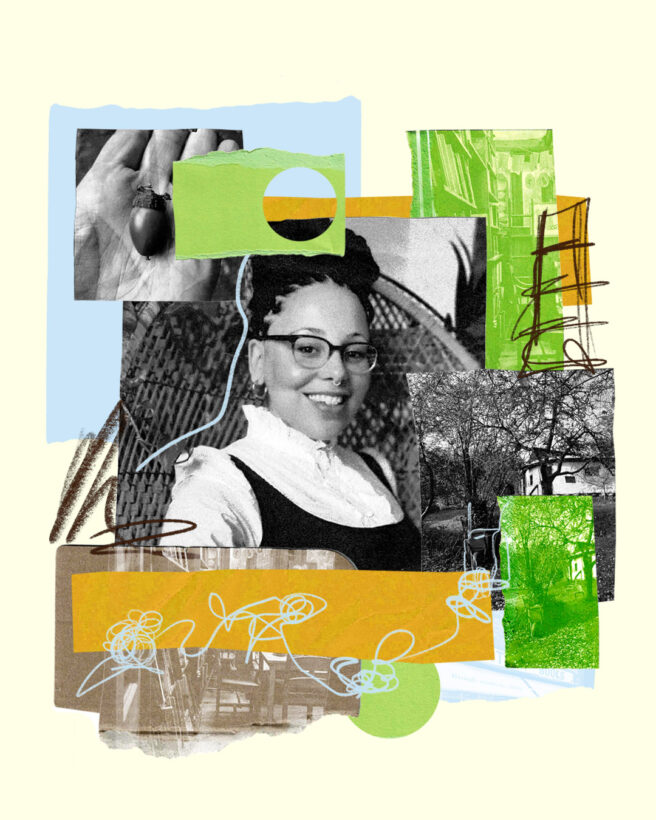
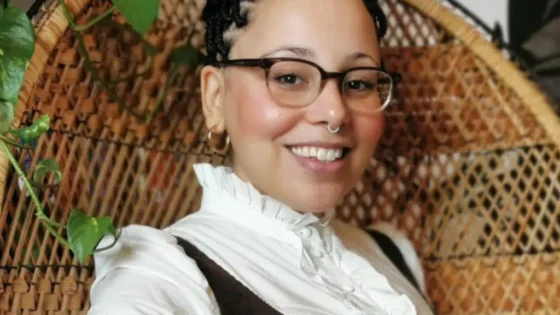
Stephanie Davis, from the organisation Healing Justice London, curates a reading list of texts and resources about collective care, interdependence, disability justice and building for our changing contexts.

I’m a writer and Health Justice researcher at Healing Justice Ldn (HJL). HJL builds the capacities, skills and infrastructures we need to support community-centred health and healing. My work at HJL has furthered my interest in how minoritised communities and our movements are meeting the current moment of polycrisis – of the ongoing pandemic, climate change, genocide and state abandonment. My work explores how folks are responding through rehearsing collective care and building life-affirming infrastructures. 

As a Black mixed, queer and disabled woman I’m enlivened by the ways in which communities are drawing on ancestral, BIPOC, crip and disabled knowledges to centre other ways of being; that challenge the coloniality of the neoliberal logics of individualism, numbness and disconnection. Folks are grappling with who we need to be and what we need to prototype and build for these times.  

The following books and resources have helped me make sense of our changing contexts and imagine the possibilities of collective care, interdependence, disability justice and building for our changing contexts. I hope you find them resourcing and vitalising for this current moment. 

Seven books that changed my perspective

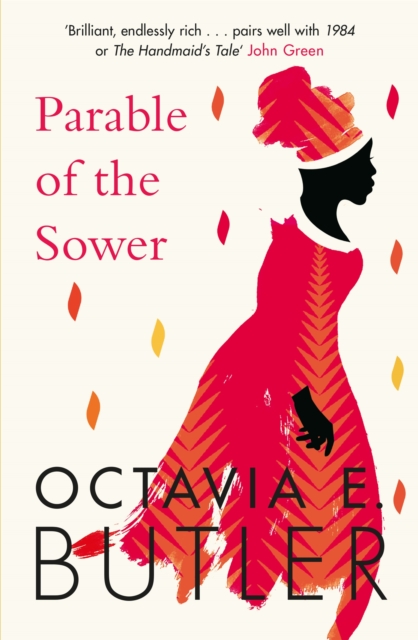
  • Book jacket: Parable of the Sower

    Parable of the Sower

    by Octavia Butler

    (fiction)

    This speculative fiction written in 1993, and set in 2024, is about a young Black woman fighting for survival and building community in a post-apocalyptic America that eerily mirrors our current times. It lit a fire under me – moving me from fear and stuckness towards organising and building for our shared futures. It fundamentally changed the way I thought about my connection to land and after I read this, I started learning about permaculture and volunteering at a community garden. It encouraged me to organise around mutual aid and the pandemic, and re-emphasised the importance of embodied and relational skills in building liberatory futures. In short, it was life changing!

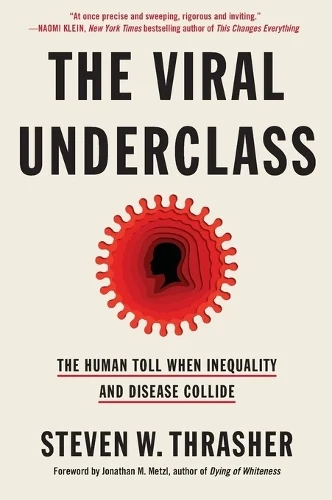
  • Book jacket: The Viral Underclass

    The Viral Underclass

    by Steven W. Thrasher

    (non-fiction)

    Thrasher powerfully weaves together individual stories of people navigating Covid, HIV and other viruses alongside political analysis which illuminates how viruses ‘follow the fault lines of our culture’ to produce a viral underclass. This text helped me to understand how racial capitalism has shaped the pandemic as well as other crises, disproportionately impacting the most marginalised. It invites us to consider how viruses can teach us to think communally rather than individually.

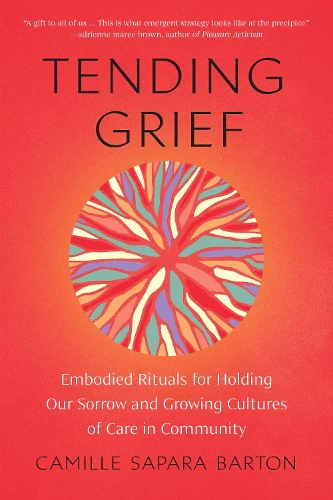
  • Book jacket: Tending Grief: Embodied Rituals for Holding Our Sorrow and Growing Cultures of Care in Community

    This beautiful book centres the importance of tending to grief in order to come into right relationship with the world. Barton shows how we are encouraged to live lives that are numb to the changing conditions around us, and how this can keep us rigid and stuck. Collectively grieving the past and the present can activate our imaginations to build liveable futures. They share some gorgeous embodied rituals to help us slow down, feel and sense with our bodies; and powerfully illustrate how politicised somatics and our ancestral technologies can move us towards full aliveness, connectedness and alignment with our values.

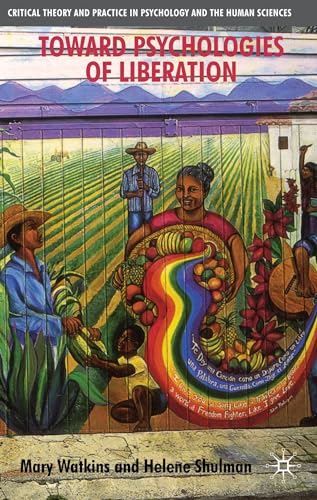
  • Book jacket: Towards Psychologies of Liberation

    Towards Psychologies of Liberation

    by Mary Watkins and Helene Shulman

    (non-fiction)

    Watkins and Shulman reflect on the ways in which oppression shapes our psyches, relationships and society. I found the book really helpful in understanding how colonialism and racial capitalism produce forms of social amnesia that encourage bystanding, fatalism and denial of the harms of the status quo. The authors suggest practices to challenge bystanding, which can move us towards engaged witnessing that offers vitalising possibilities for psychic and communal restoration.  I return to this book over and over, and my copy is full of pencil notes.

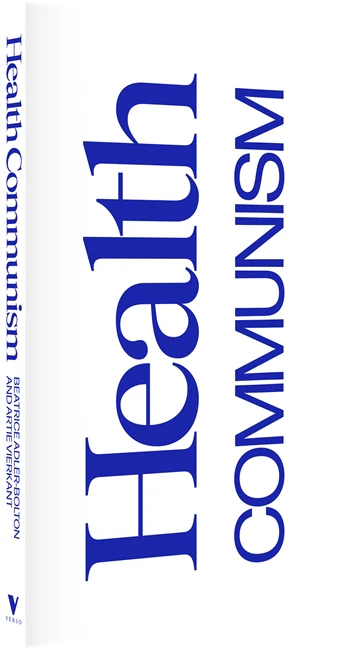
  • Book jacket: Health Communism: A Surplus Manifesto

    Health Communism: A Surplus Manifesto

    by Beatrice Adler-Bolton and Artie Vierkant

    (non-fiction)

    This is an incredible analysis of how capital draws on health and illness to categorise certain populations as ‘surplus’ – those deemed as unproductive and as both eugenic and financial burdens to our society. The production of a binary of workers vs surplus reinforces ideas of the value of human beingness as about productivity and work. The book calls for solidarity and a rupture of this thinking, and cautions our leftist movements against notions of scarcity, deservingness and burden that circulate in our ideas of care. It encourages us to radically reimagine an abundance of care: towards care for all people. This really helped me to make sense of the welfare state, austerity and the pandemic.

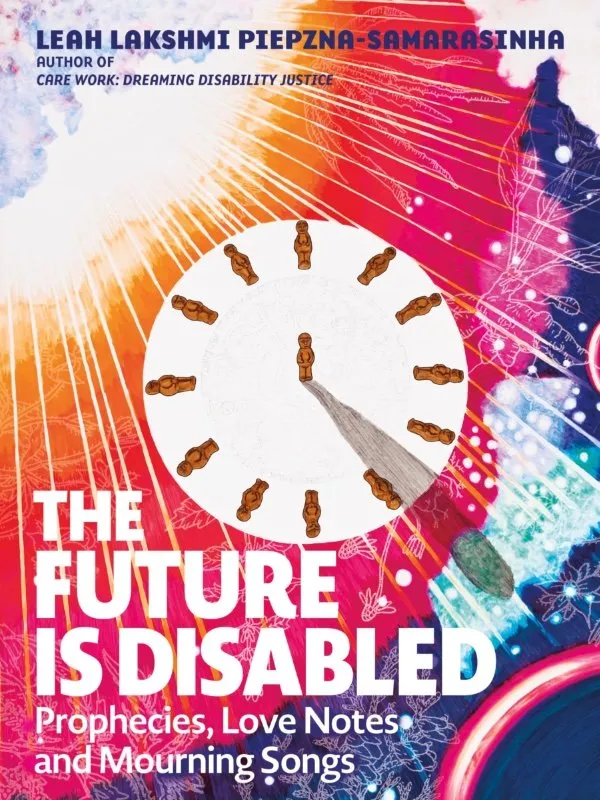
  • Book jacket: The Future is Disabled: Prophecies, Love Notes and Mourning Songs

    The Future is Disabled: Prophecies, Love Notes and Mourning Songs

    by Leah Lakshmi Piepzna-Samarasinha

    (non-fiction)

    This book is a love letter to BIPOC disabled communities; the richness of our disabled knowledges, cultures and organising; and how urgent and central our work is in responding to polycrises. Currently abled folks have a lot to learn from disability justice – from envisioning disabled futures, disabled mutual aid, crip doulas, the intricacies of collective care and interdependence. As a Black queer disabled woman, I felt affirmed in the importance of my Covid mutual aid work which doesn’t always make sense to abled folks, and also to stretch my imagination about my own disabled life. It’s a gift.

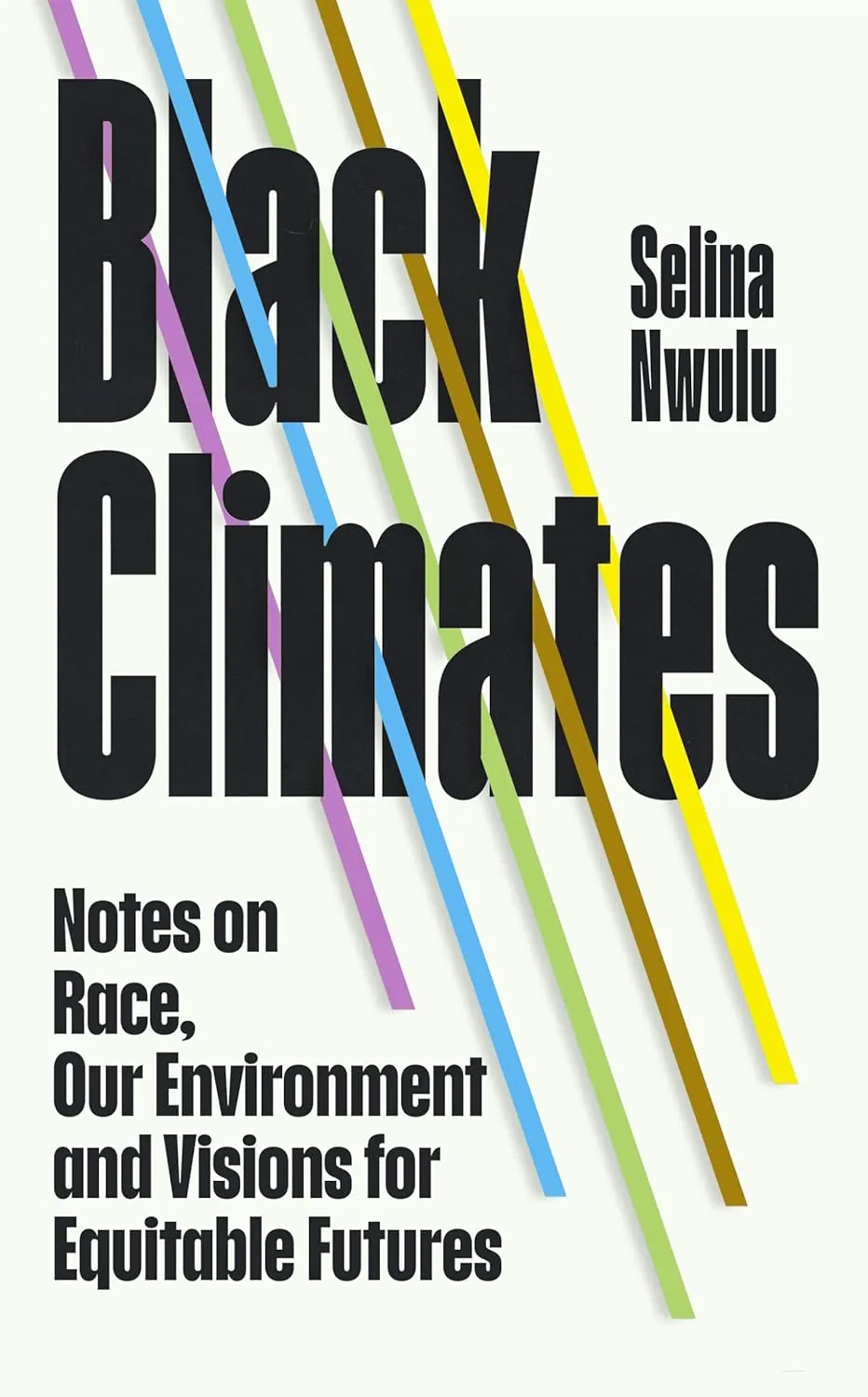
  • Book jacket: Black Climates: Notes on Race, Climate, Our Environment and Equitable Futures

    In this book, Nwulu explores the climate crisis and our changing conditions through the lens of Blackness and disability, drawing parallels between the disproportionately disabling impact of the climate crisis and racial capitalism on Black people. I found this really impactful in thinking about the intersections of Blackness, disability and polycrises, and how this must shape our response and adaptation. I was really impacted by Nwulu’s invitation to think of Covid as a teacher for how we respond to crises and care for one another, and how we might draw on radical imaginations to develop responses which centre our interconnectedness and needfulness as humans.

On the go and online

  • This great piece reflects on the dizzying political and social changes post-2020 – of what we have been encouraged to forget and repress in the return to the ‘normal’ of increasing precarity, fascism, the ongoing pandemic and genocide. Osterweil urges us to resist denial and to instead remain engaged witnesses to meet the current moment.

  • Death Panel

    by Beatrice Adler-Bolton, Artie Vierkant, Phil Rocco, and Jules Gill-Peterson (Podcast)

    This podcast on the political economy of health is one of my favourites, offering radical critique and frameworks for thinking about capitalism and health. This has really helped me to make sense of our changing conditions and clarified the role of capital in welfare, austerity and healthcare.

  • It’s Not You, It’s M.E. is an interactive simulator that illustrates some of the experience of living with an energy-limiting condition. I really loved this as it affirmed some of my own experiences. It made me reflect on the worlds of our homes as chronically ill folks, and the importance of interdependence and care.

Musings and more

  • What is the book you’ve gifted the most?

    For Colored Girls Who Have Considered Suicide/When the Rainbow is Enuf by Ntozake Shange. This is a rich and deeply moving choreopoem about the metaphysical dilemma of being alive and being a woman and being Black. I return to it over and over, and it reminds me of the magic of my life.

  • Where is your favourite bookshop?

    Scarthin Books, ‘a bookshop for the majority of minorities’, in Cromford, feels like home. It’s three cosy floors of new and second hand books with a very warm and welcoming veggie cafe. I can spend hours there either on the way to or back from a walk in the Peaks. It’s idyllic!

  • If you could urge folks to read just one text on your list what would it be?

    Parable of the Sower! We need speculative fiction to help us reckon with our current times and spark our imaginations as to what other worlds are possible and needed.

  • Written by Stephanie Davis

    Stephanie Davis

    Dr. Stephanie Davis is a scholar-activist and a recovering academic. She is excited by the possibilities of the margins, the borderlands and ancestral and spiritual connection for getting free. Her work is focused on how we can respond to our changing conditions and who we need to be for these times.

  • Illustrated by Naomi Gennery

    Naomi Gennery

    Naomi is a UK-based graphic designer and illustrator working at the intersection of creativity and social impact. Her work is colourful, playful, and often rooted in collage, crafts, and DIY culture. Exploring themes of culture, identity, and social change, she hopes people see their own thoughts, ideas, or experiences reflected in her work. Combining design and illustration, Naomi aims to make big ideas feel more approachable and human.

Read More

  • The image shows a group of women sat on a red floor. They are in a blue globe like structure. The women are of all different ages and represent different Indigenous communities. They are taking care of a specific plant, showcasing both their attachment to the land and the sharing of knowledge across generations and groups.

    A world with Indigenous Feminism

    In this episode, we hear from Indigenous storyteller, community organiser and environmental justice educator, Samara Almonte who brings to the world, Indigenous feminism.

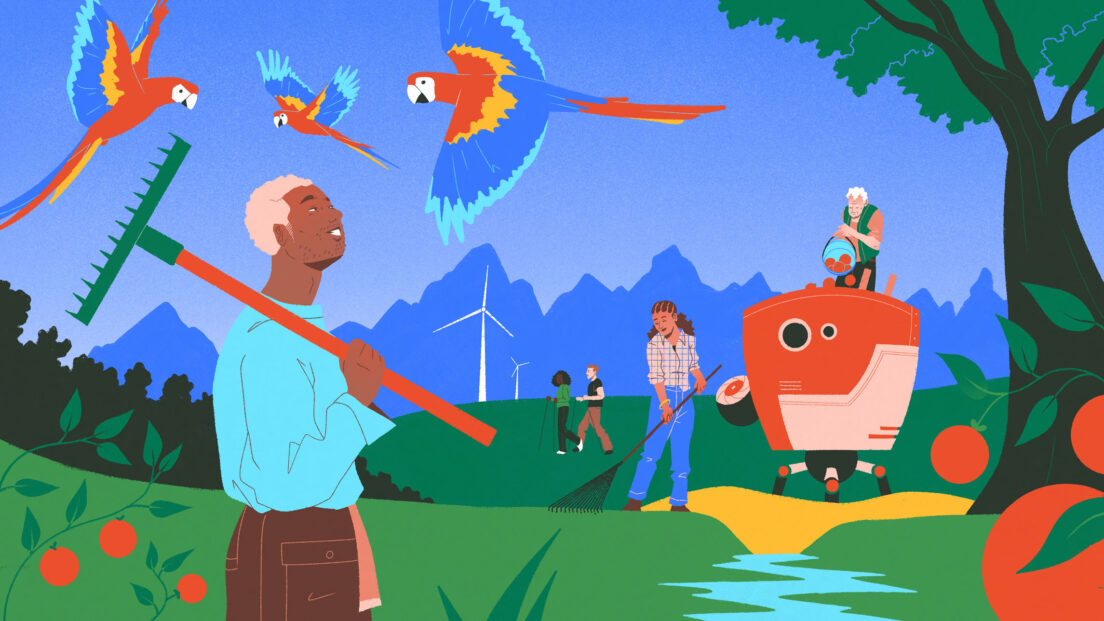
  • In the image there is a scene in nature where the illustrator has imagined what a world with land reparations might provide. On the left is a person with a blue top and brown trousers. They are holding a rake and are looking upwards at two parrots flying overhead. Elsewhere in the scene, there are two hikers and some wind turbines. There is also a robot-like tractor machine helping to farm the land in a sustainable and more effective way.

    A world with land reparations

    In this episode, UK-based writer, grower and organiser Sam Sivapragasam describes a world with land reparations.

  • A world with libraries of things

    In this episode of A World With, Trinbagonian writer, YouTuber and artist Andrew Sage explores the possibilities of a world with libraries of things.