How to start guerrilla gardening
Tips and advice from a nature rights activist on how to transform our cities
 Written by Kalpana Arias
London, UK
Our How To guides offer practical step-by-step instructions of how best to use your individual actions to contribute to wider movements.
Kalpana Arias offers tips and advice on how to on how to transform our cities through guerrilla gardening and building access to green spaces.
Guerrilla gardening, in its most simplest sense, is the act of planting seeds, bulbs or plants in abandoned or public spaces. It allows plants to grow from the ground up, powered by people, bursting with life, and claiming back the right to grow.
In many places, concrete now outweighs living plants – and as green spaces disappear and streets get hotter, denser, and more grey, picking up a trowel becomes more than a hobby: it’s strategy.
Resistance is Fertile. Guerrilla gardening might start with individual acts of green fingered rebellion, but its reach goes far beyond flowerbeds. It’s a practical way to take climate action, boost biodiversity, support local ecosystems and wildlife, build community spaces, grow fresh food, clean polluted air, support mental health, and improve neglected areas – all while adding beauty and colour to our daily lives.
Before we get started…
It’s important to understand why guerrilla gardening is needed and what problems it can help address.
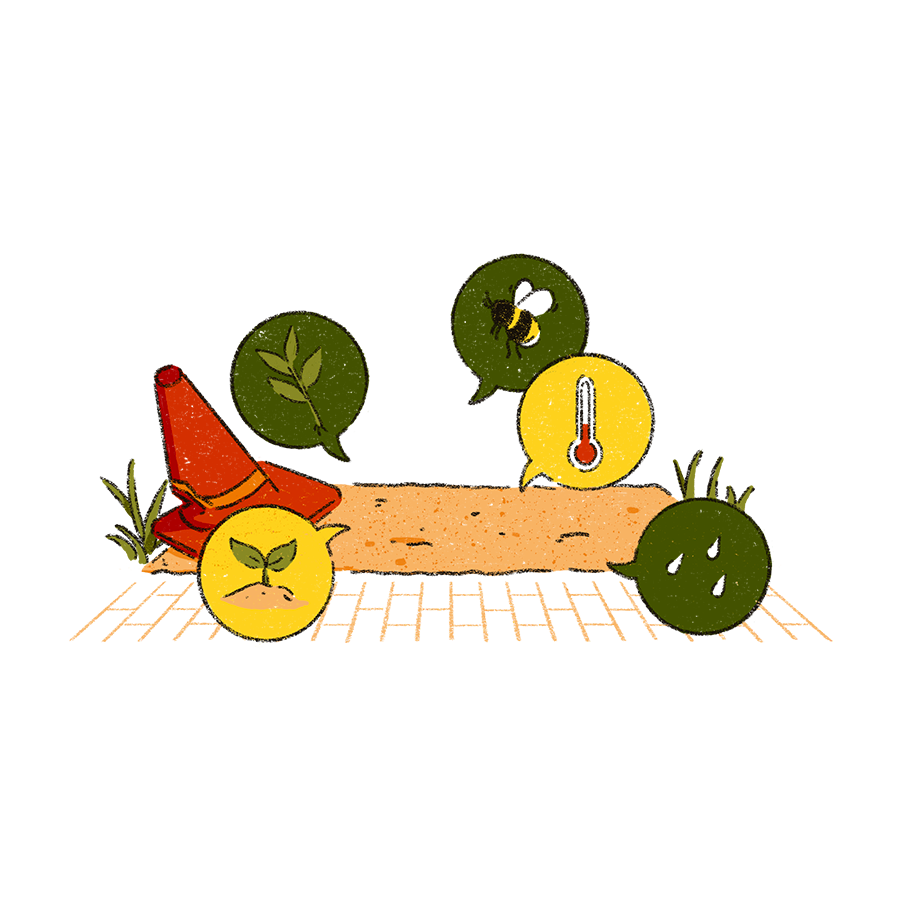
And while London looks green on paper, access isn’t equal, and it has only half the green space needed for a healthy population. Meanwhile, cities are getting hotter – and it’s the most vulnerable neighbourhoods that feel it first.
But the solutions don’t have to be big or bureaucratic. A handful of native wildflowers can feed bees. A pocket garden can cool a street. A raised bed can spark a neighbourhood conversation. Every small act shows there’s other possibilities.
Safety Note: Guerrilla gardening is planting without formal permission. Before you start, check the rules where you live – some cities or states have specific regulations around public planting. For minoritised communities, the risks can be higher, so act with care: choose appropriate sites, garden in daylight, and whenever possible, plant as a group to look out for one another. This guide is for educational purposes only – adapt it to your context and use your judgement.
So how do we begin to plant and grow guerrilla gardens in our communities?
Step 1: Start with why
Before you grab a trowel or find a site, let’s make a plan. What’s bringing you to this moment? Is it a love of plants, a sense of injustice, the urge to reconnect with nature – or all of the above?
This will guide every decision, from what you plant to how you care for your patch. Guerrilla gardening isn’t only about planting; it’s about purposefully disrupting the status quo.
Step 2: Find a place
The best guerrilla gardening sites are both neglected and nearby. Why? Because they’re easier to care for, easier to access, and often overlooked by everyone else except you.
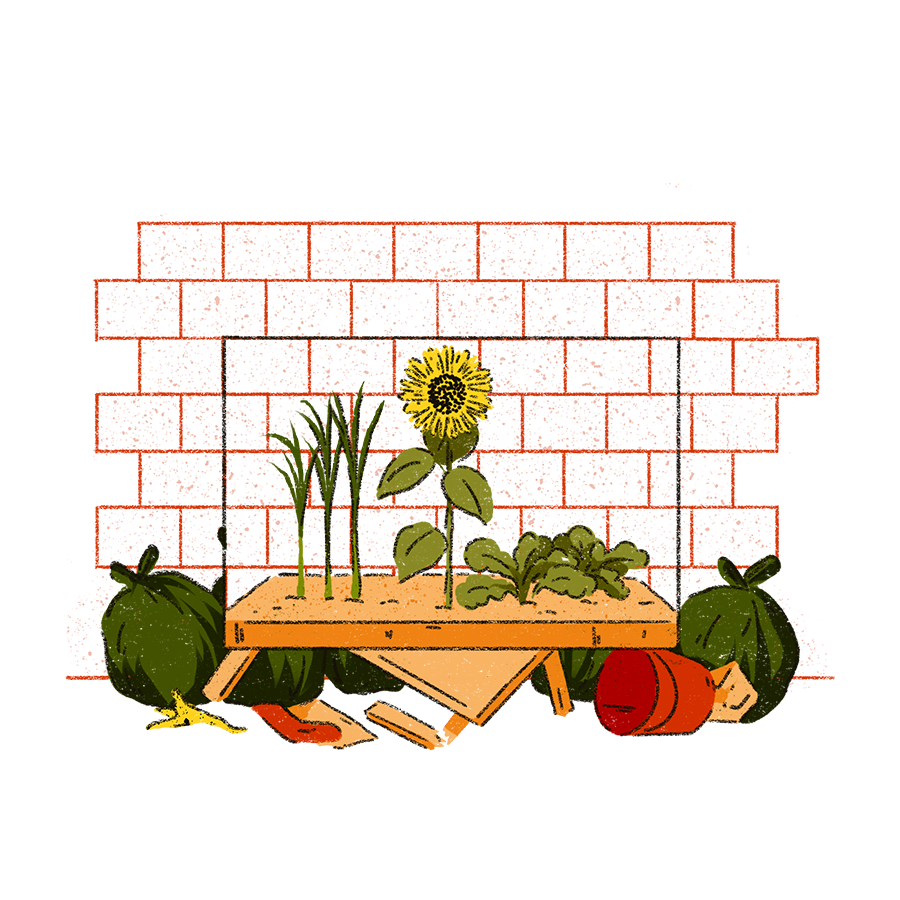
Start local. Tree beds without flowers. Verge edges full of litter. Planters with nothing but weeds. A wasted patch behind the bus stop. These forgotten spaces are full of possibility.
Step 3: Gather people
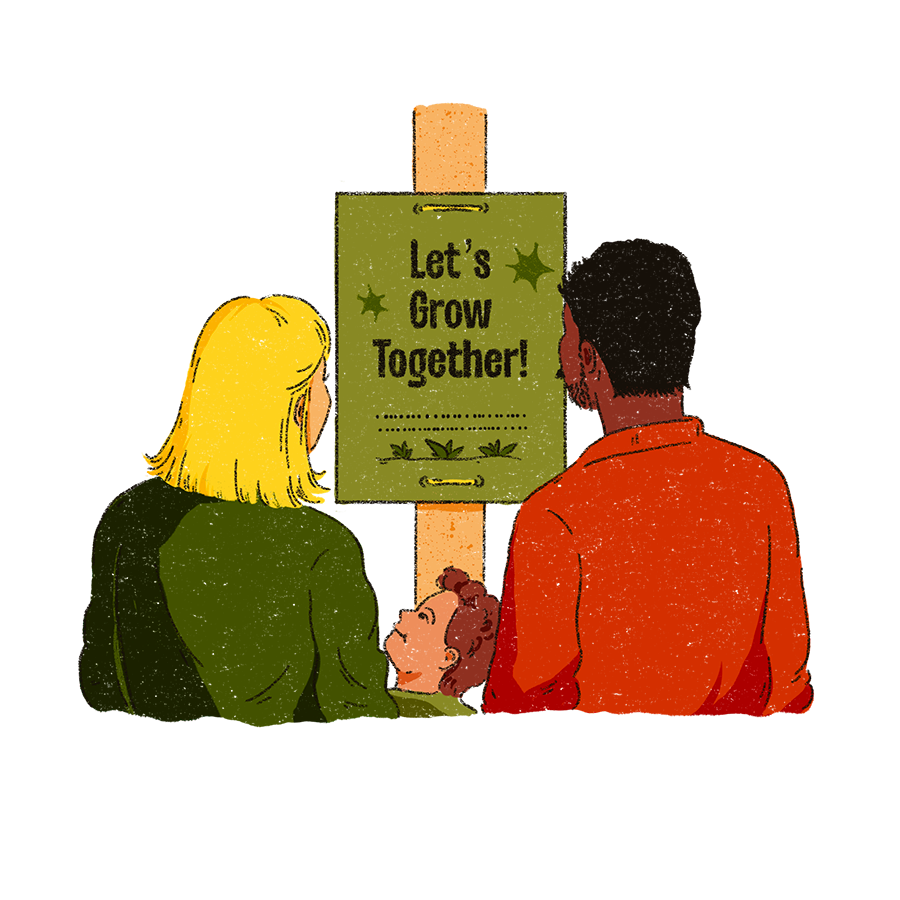
Guerrilla gardening is people-powered change…and it spreads! You can absolutely go solo, but many hands make fast work (and way more fun). Plus, doing this together builds bonds, boosts confidence, and deepens impact.
Start by chatting to neighbours, friends, or other community organisers. Look for helpers in local WhatsApp groups, mutual aid collectives, or gardening forums. Or go old school – print a leaflet and drop it through letterboxes. You might be surprised who says yes.
Step 4: Create a plan
Now it’s time to imagine what your garden could become. Will it be for pollinators? A food-growing hub? A pocket meadow? Your purpose from Step 1 should guide your plan.
But first, get to know your site. How much sunlight does it get? Is the soil crumbly or compact? Is it dry and sandy or rich and fertile? Does it get trashed with litter or sprayed with herbicides? Treat this part like matchmaking. Right plant, right place and you’ll set your plants up to thrive.
Step 5: Get the parts
Tools, seeds, and scrappy resourcefulness.
Don’t wait until the morning of your planting action to realise you forgot a spade. Make a checklist of everything you’ll need, then gather it as cheaply and sustainably as possible.
Essentials:
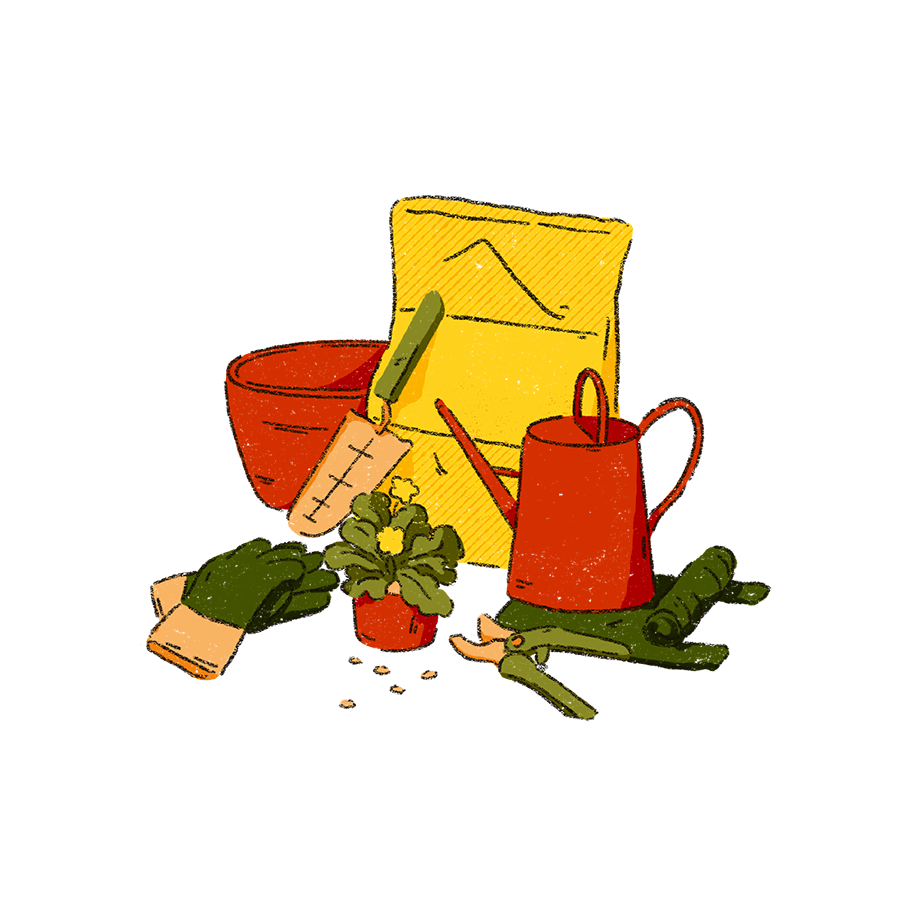
- Compost (peat-free!)
- Seeds, bulbs, or plants (local and native)
- Trowels, forks, watering cans, gloves, plus other gardening tools
- Bin bags (for litter pick-up and tidy-ups)
- Water
Looking for free plants?
Propagate from cuttings, ask neighbours for extras, or save seeds from plants already growing near you. Windowsills, community gardens, local nurseries and even edges of parks can offer more than you think.
Step 6: Do the planting
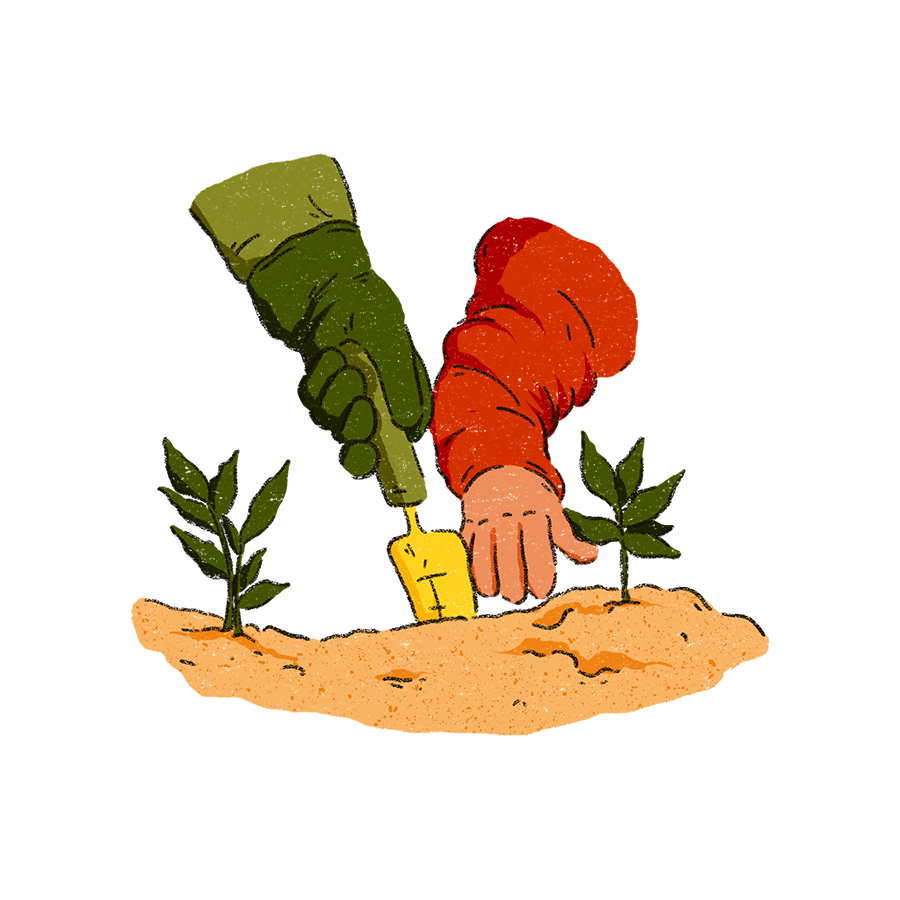
This is it. You’ve scouted the site, gathered your gear, and rallied your team. Now you get to turn an unused space into something useful, visible, and growing.
Choose a time that works for your group. Water the soil first to make digging easier. Always wear gloves, stay hydrated and have fun getting your hands dirty.
Step 7: Provide and protect
Planting is just the beginning.
Guerrilla gardening is ongoing work – watering, weeding, watching over the space and speaking up when it’s under threat.
Set up a simple rota to check the garden regularly. Add signs that explain the purpose of the space (i.e. “This is a community garden – please don’t spray” or “Please water me!”). Make it obvious that someone’s looking after the space, even when you’re not around.
Let’s grow!