How to dispose of your clothes ethically
Tips and advice from a fair fashion activist to help transform our clothing industry
 Written by Jemima Elliott
Newcastle upon Tyne, UK
Our How To guides offer practical step-by-step instructions of how best to use your individual actions to contribute to wider movements.
Fair fashion activist Jemima Elliott offers tips and advice on how to dispose of your clothes ethically.
In conversations around sustainable fashion, we often focus on our buying habits – how often we’re buying clothes and where we’re buying them from. However, it is equally important to discuss what happens to our clothes when we are finished with them.
This is called the ‘end-of-life’ stage in the supply chain.
Looking after our clothes and keeping them in use or in circulation rather than landfill is a crucial part of tackling textile waste and waste colonialism. Becoming conscious of our textile consumption and waste also requires us to connect to the people who made our clothes – to hold big brands to account and challenge patriarchal and neo-colonial norms in the fashion industry.
These actions may seem small and individual in scale but they are part of a wider culture change. Building a fair and just fashion industry requires action from multiple areas – reducing our waste is just one of them, but they all feed in together.
Looking after our clothes and keeping them in use or in circulation rather than landfill is a crucial part of tackling textile waste and waste colonialism.
Before we get started…
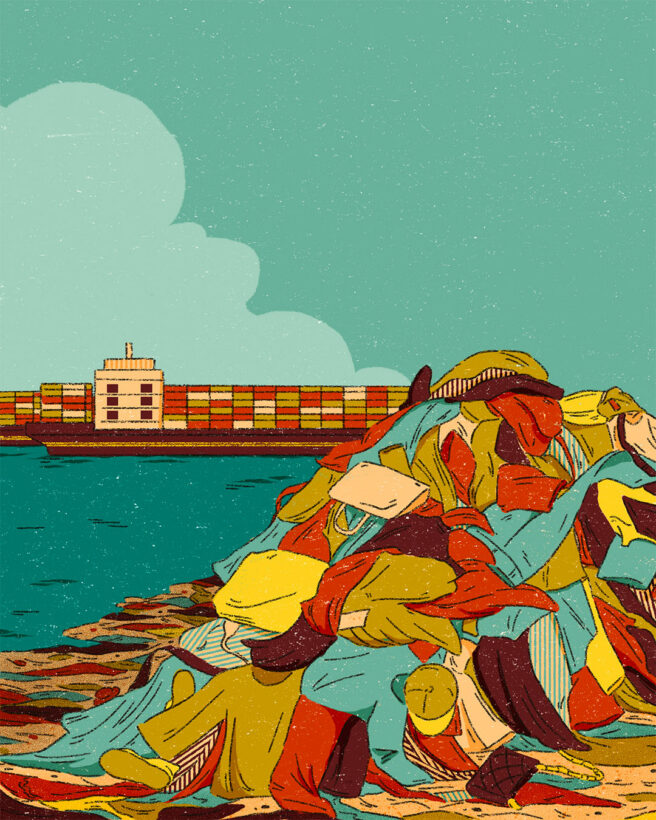
Most secondhand clothing shipped abroad is sent to Africa. This practice of former colonising countries like the UK, USA and other European countries sending their cast-off clothing to formerly colonised countries is called waste colonialism.
So what can we do to stop waste colonialism and how can we dispose of our clothes more ethically?
Step 1: Take care of your clothes
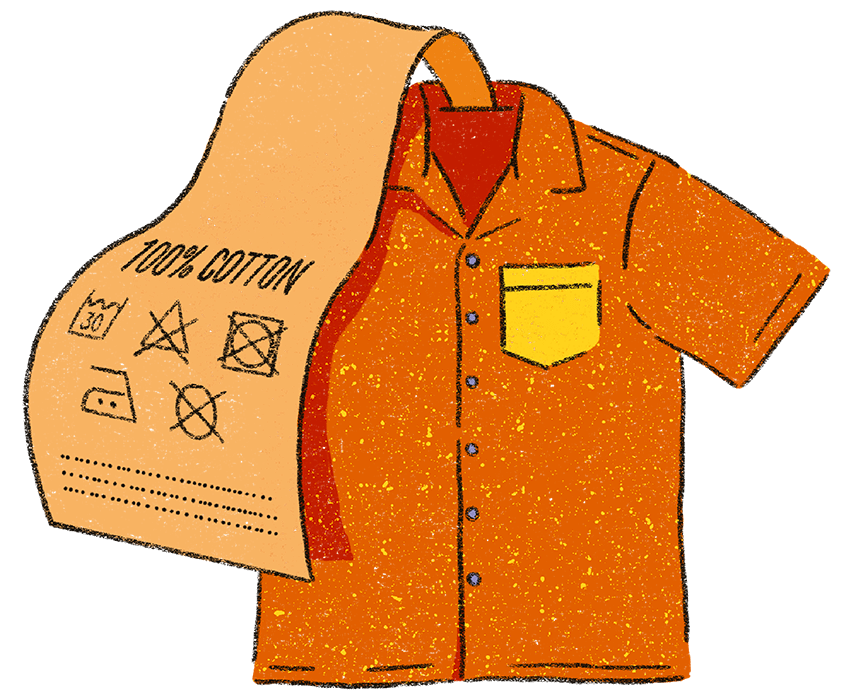
A big way to prevent your clothes from going to landfill is to look after them properly. Check the washing instructions, hand wash where necessary, avoid tumble drying where necessary, stop using fabric softener.
I certainly have lots to learn in this area, but I think a willingness to learn and truly take care of our clothes is one of the first steps to reducing fashion waste.
Step 2: Ask friends or family
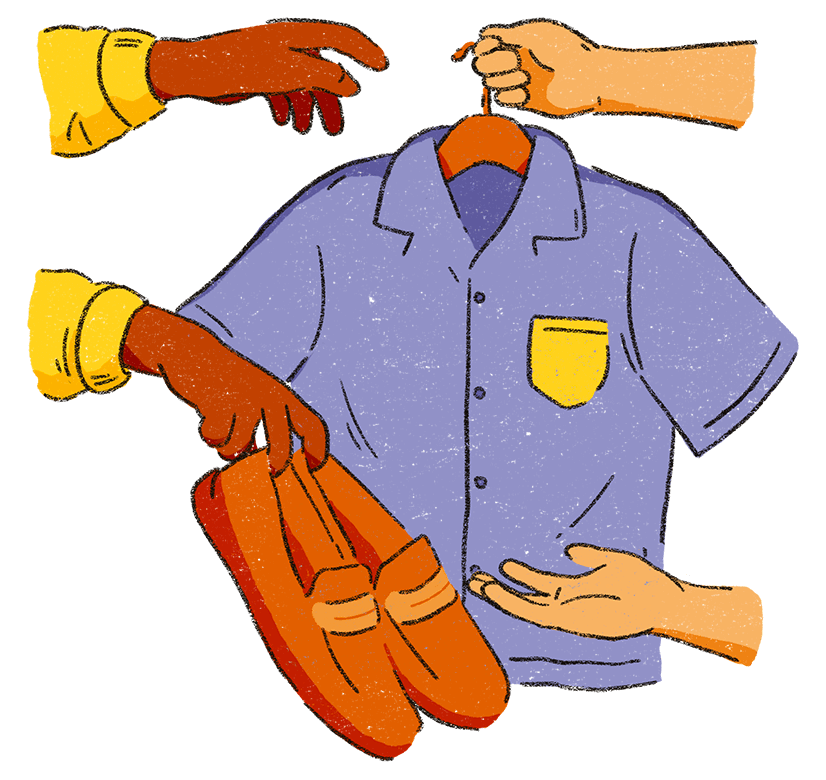
The first thing I do whenever I have a clear out of clothes is to ask my friends and family. I have passed too-small trousers to my flatmate, received countless t-shirts from my little brother, swapped clothes with my friends and given a cardigan to my Mum.
If enough of you have clothes you no longer want, why not hold a clothes swap with your friends? Make it a fun night to hang out as well as giving your unwanted clothes a new home!
Step 3: Learn to repair and upcycle
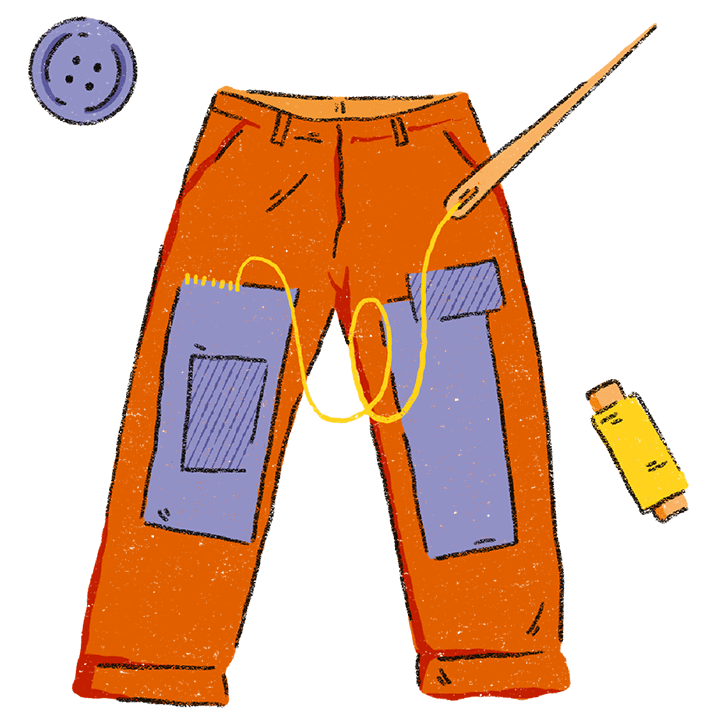
Basic sewing and repair skills have been gradually removed from our cultural repertoire as we have been fed a culture of convenience and disposability, But, by bringing these skills back we can reduce textile waste, make our wardrobes more interesting, and feel more connected to what we’re wearing.
I’m not a very crafty person and don’t have lots of skill in this area, but learning to sew and do basic repairs has been one of the most rewarding aspects of my journey as a fair fashion activist. I have covered countless holes with patches and turned a top into a shopping bag, but my biggest achievement has certainly been learning how to replace zips.
Step 4: Sell online
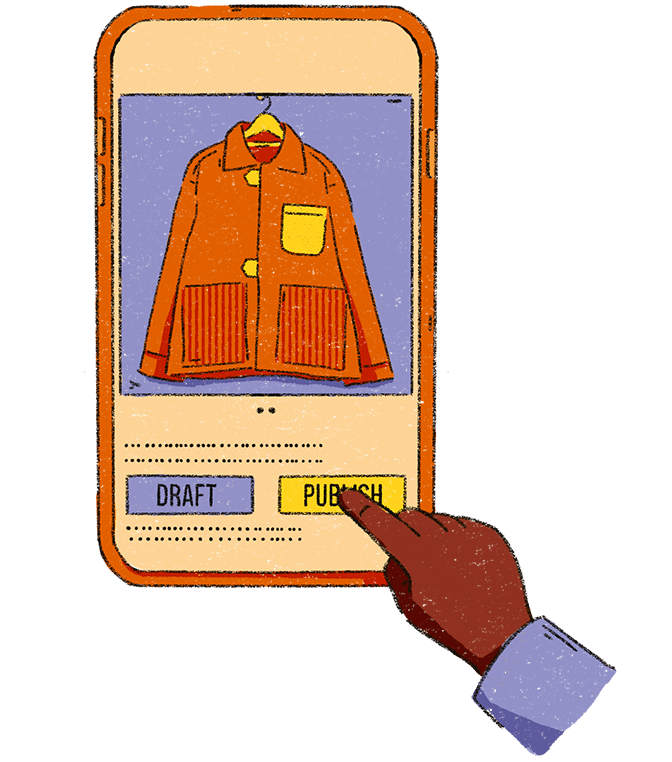
The classic! Vinted, Depop, eBay, Vestiaire Collective, Poshmark… there are so many options for selling your clothes. Each has their different upsides and downsides. Getting your item directly into the hands of someone who will love it and use it while making a bit of cash? You had me at hello.
Step 5: Donate to small local organisations
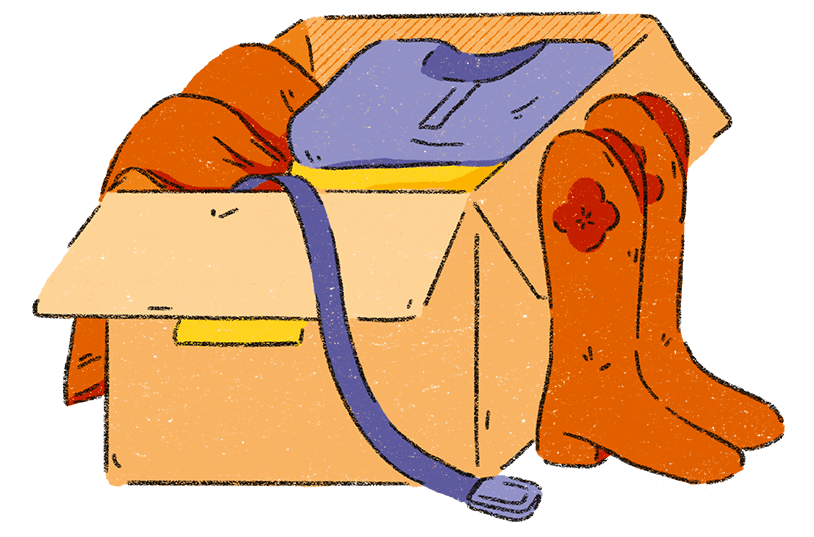
Think about the smaller organisations or initiatives in your local area who might be in need of clothing donations. These could be local homeless shelters or women’s refuges, local organisations that support refugees and asylum seekers, or queer groups.
Smaller organisations are a lot more likely to get clothes directly into the hands of someone who will use them, compared to large charity shops or clothing drives. And it supports people near you at the same time!
Step 6: Use reliable takeback schemes
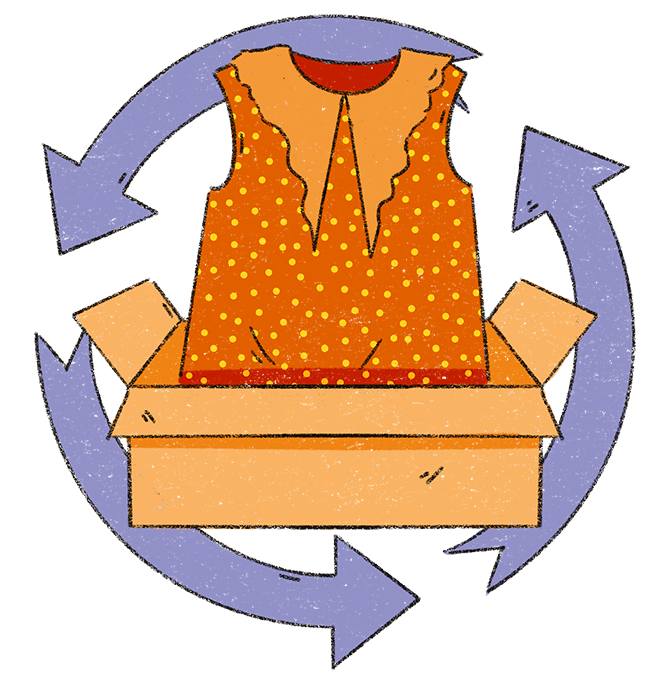
I generally scoff at a lot of takeback schemes, especially if done by a fast fashion giant known for their pollution and overproduction rates (*cough* H&M *cough* M&S). However, there are some rare examples where I actually trust them. One of these is Teemill. Based on the Isle of Wight, they have made ethical clothing for all sorts of brands from BBC Earth to The Green Party and Lush. If you have 100% cotton clothing of any brand you can send them to Teemill who will reuse the fabric as part of their Remill programme.
Step 7: Think about the condition of the clothes you are donating
A huge reason clothes get sent to landfill or dumped overseas is because soiled, dirty and bad quality clothing is being sent to charity shops.
No matter where you’re sending your clothes or who you’re giving them to, make sure they are clean and in good condition. It’s all about respect for the clothes and respect for the next person to wear them.