

Our Worldbuilding series connects the theory of systems change to the work being done on the ground.
Larissa Kennedy speaks with three organisations reshaping climate education and our relationship to environmental justice.
As a born-and-raised Londoner, I used to find the immensity and unpredictability of the ‘great outdoors’ unnerving. A few years ago, I could kill a plant quicker than anyone I’d met, and the only food I’d grown was cress in primary school. But in 2022, as part of SOS-UK, a climate education organisation, I began my journey of advocating for climate and ecological education to be included in the UK national curriculum.
It was my elders who paved the way for me to see its power. In St Vincent and the Grenadines, my granny Daisy spends time each day tending to her garden. She says that growing food requires patience and patience is a virtue. My late nan Enid, born and raised in Jamaica, treated the land as a source of nourishment, peace and blessings. Planting herself in South London, she knew what time of year to plant the crops that felt like home, and every year I would wait in anticipation for the first batch of fresh callaloo from her garden. Through them I discovered that in the face of ecological breakdown, we can grow by learning from the land.
It is abundantly clear that we desperately need a wholescale rethink of ecological education that transforms our relationship to the natural world. As we near a cliff-edge of planetary destruction, we’re becoming all-the-more aware of the incompatibility between our lives and planetary boundaries. So we need spaces for knowledge exchange that reroot us in a harmonious relationship to land – and in opening up this dialogue, I believe we can reimagine our day-to-day lives in alignment with that interdependence. This is how we will grow.
Community organisations planting ecological education in new soil
There are organisations across the UK who are already modelling alternative futures, showing how different community-led climate education efforts are, in the words of revolutionary American poet Diane di Prima, “shoving at the thing from all sides to bring it down”.
While lots of organisations are shoving, not all honour the work that has come before, or have a vision for what we build beyond. As an organiser myself, I know that these are both crucial pieces of the worldbuilding puzzle. To find out more, I spoke to three organisations who are either archiving past community work, rehearsing the world they want to see, or both!
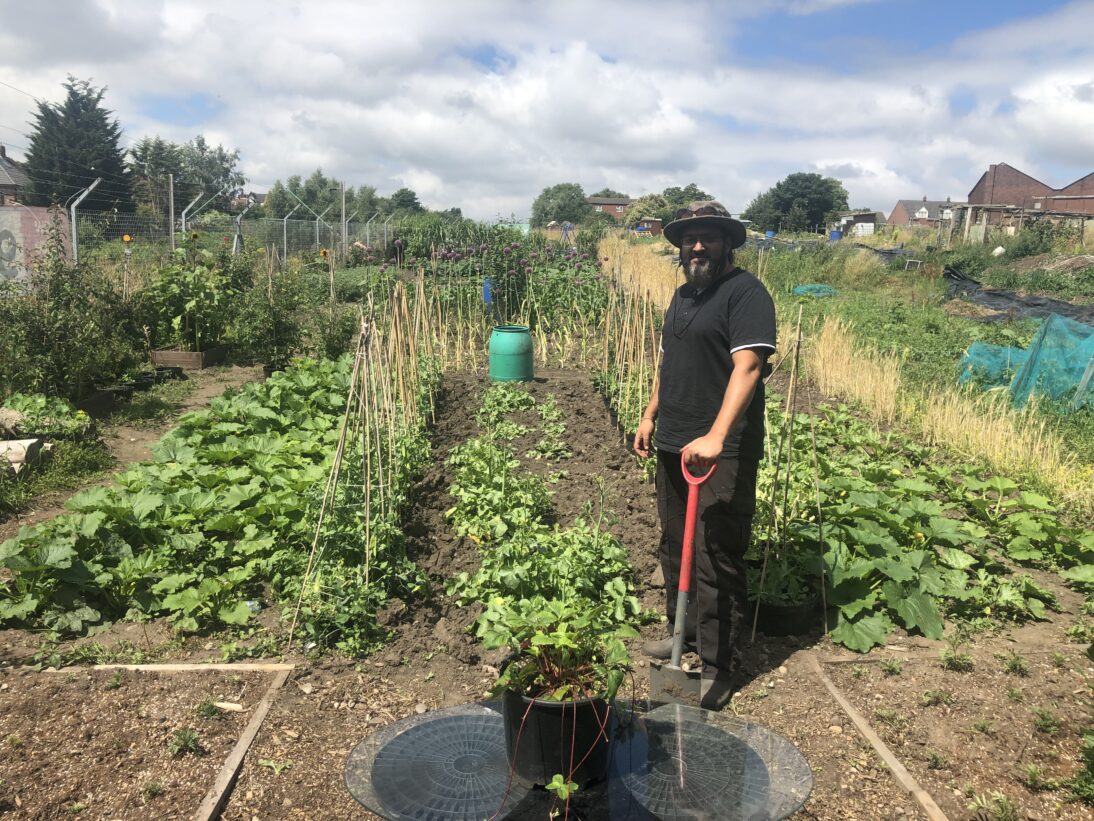
One of them is Black Rootz, a project that describes itself as the first multigenerational Black-led growing project in the UK. With a site in the heart of Haringey, London, Black Rootz seeks to re-orient locals towards the natural world and address wider systemic issues, like food security and barriers to land ownership. I was able to speak with its co-founder and grower extraordinaire, Paulette Henry, as well as Philip Udeh, Director of The Ubele Initiative, the organisation which hosts Black Rootz.
Paulette speaks about how they create an environment where knowledge is exchanged, which reminds me again of my relationship with Daisy and Edin and their knowledge passed down to me. But with Black Rootz, Paulette explains, the knowledge is exchanged in both directions.
“Elders,” she tells me, “are reminded of their place and responsibility within the community”. They’re passing down legendary growing techniques that Black Rootz describes as “superpowers”, much of which is drawing on ancestral wisdom. Young people in turn educate elders on things that may be new to them, like fusion dishes or agave as an alternative to sugar. With this multidirectional teaching and learning, Philip adds that Black Rootz are “not just growing plants, they’re growing people at the same time.”
In Bristol, Nature Youth Connection Education (NYCE) empowers young people with a stronger connection to nature. Co-founder Manu Maunganidze talks about how NYCE uses nature connection to help steward “healthy, happier youth [who] are more engaged with their communities, less reliant on consumer products, and better prepared to tackle the issues of their times.”
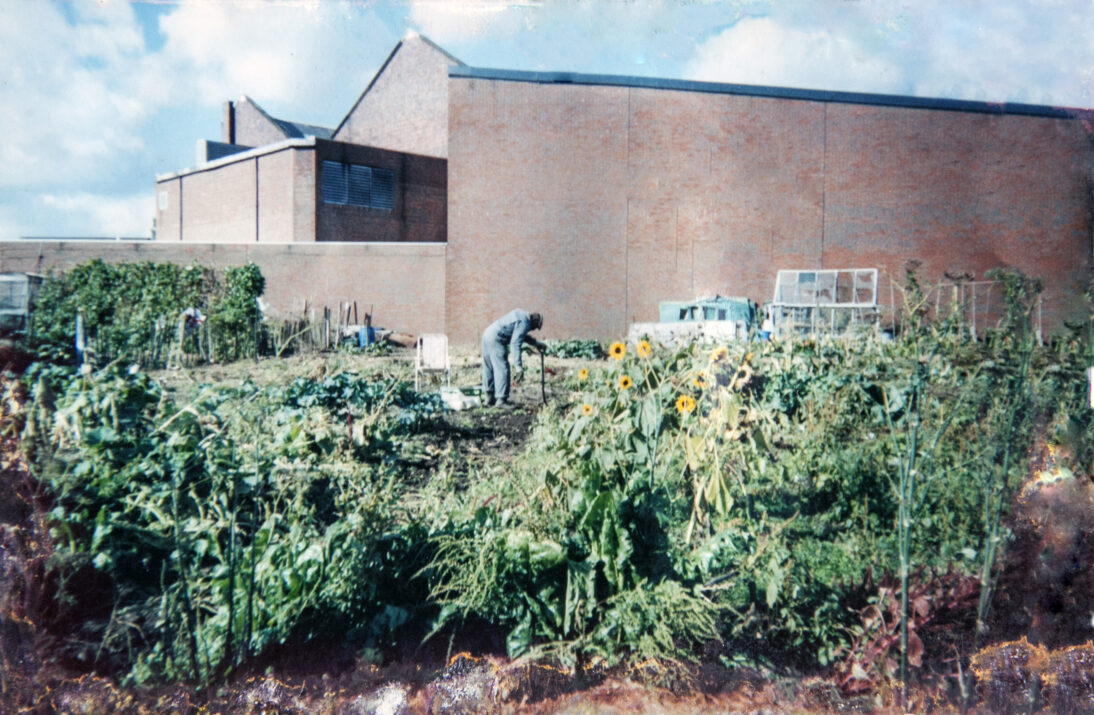
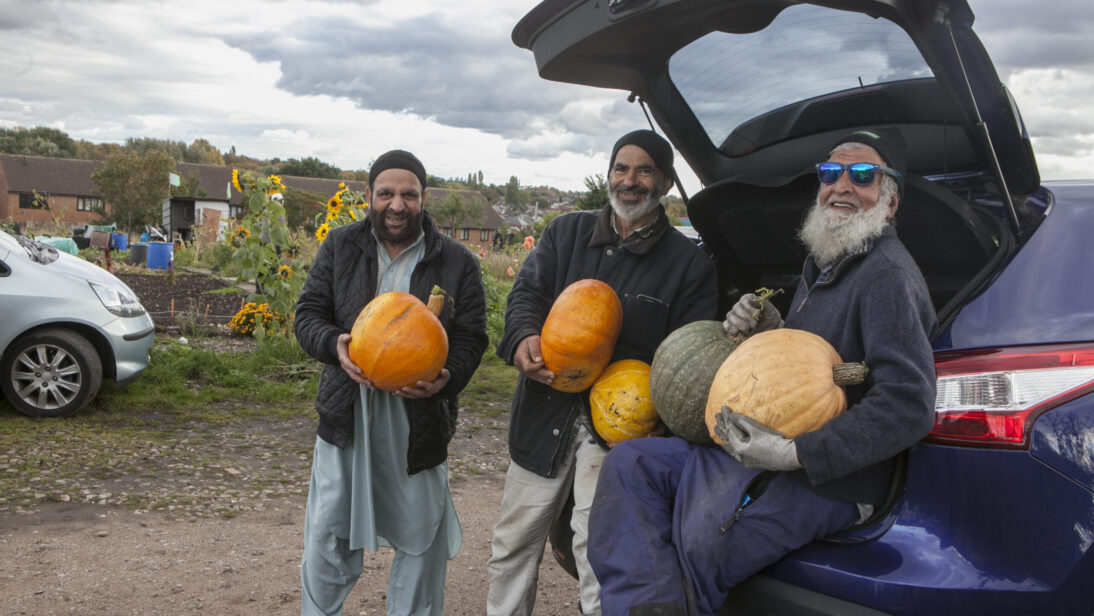
And in the Midlands is General Public, a collaborative art platform that drives large scale public artworks. They harness the power of fiction, myth-making, local history and heritage rebooting to create dialogue about social histories and social change. Two of their projects, The Birmingham Allotment Project and Compost Culture, have been creatively engaging Midlanders in community-led climate education and, by extension, curating a sense of agency that empowers more people to join this movement.
We need spaces for knowledge exchange that reroots us in a harmonious relationship to land – and in opening up this dialogue, I believe we can reimagine our day-to-day lives in alignment with that interdependence.
Redefining the purpose of education
In the pursuit of lives that we deem ‘modern’, far too many of us have lost practical knowledge about the natural world. Green skills are not mainstream in schools, and a 2024 report found that fewer than one in 10 people in the UK get green skills training at work. If we’re trying to work towards a Green New Deal without learning green skills – such as rewilding, composting, tree planting and regenerative agriculture – we’re heading towards a standstill.
Meanwhile, the labour that has tended to the earth and brought food to our supermarkets has been invisibilised and devalued. Growing numbers of people are starved of the teaching and learning that reconnects us with hands-on skills, like growing our own food and working the land. In 2020, a survey found that 51.42% of those over 55 say they enjoy gardening, but that drops below 30% among young people.
We need to harness these skills to transform our local communities, finding ways to archive and pass on this knowledge, like my grandmothers passed on to me. By sowing the seeds of food – the edible kind, as well as food for thought – I was able to appreciate the virtue of anticipation and patience; and the need for practical projects to do this, acting as entry points for growing community agency in the struggle for environmental justice and movement building work.
Commodification and convenience culture
In our modern lives, not only is attention commodified, convenience is too. The months-long buffering period between sowing seeds and seeing blossoms feels more interminable to young people now than it did to our elders. Why wait for something to grow when you can pop to Tesco, effortlessly buy that veg and make the recipe you saw on TikTok for dinner?
Even where ecological education has persisted, for example through skills building, nature projects and conservation efforts in schools, these interventions that begin and end with the formal education system too often fall short.
Schools rarely have the time or resources necessary to make a real impact. Students might get one nature-oriented trip a year, but there isn’t space for a holistic reimagination of their relationship to the ecological world, nor do these trips have lifelong significance.
Research from a 2022 SOS-UK powered project, Teach the Future, found that over half of secondary school teachers surveyed said that climate change, the ecological crisis and the challenges they pose, are not embedded in their curriculum in a meaningful and relevant way; as in, formal climate and ecological education is devoid of recognition of how we got here.
But trust me, to truly meet the challenges we and our planet face, we must push ourselves beyond the parameters of our present educational paradigm and build the world anew. This means re-educating our way towards alternative modes of co-existence between people and planet.
Harnessing a shared vision and intergenerational mobilisation
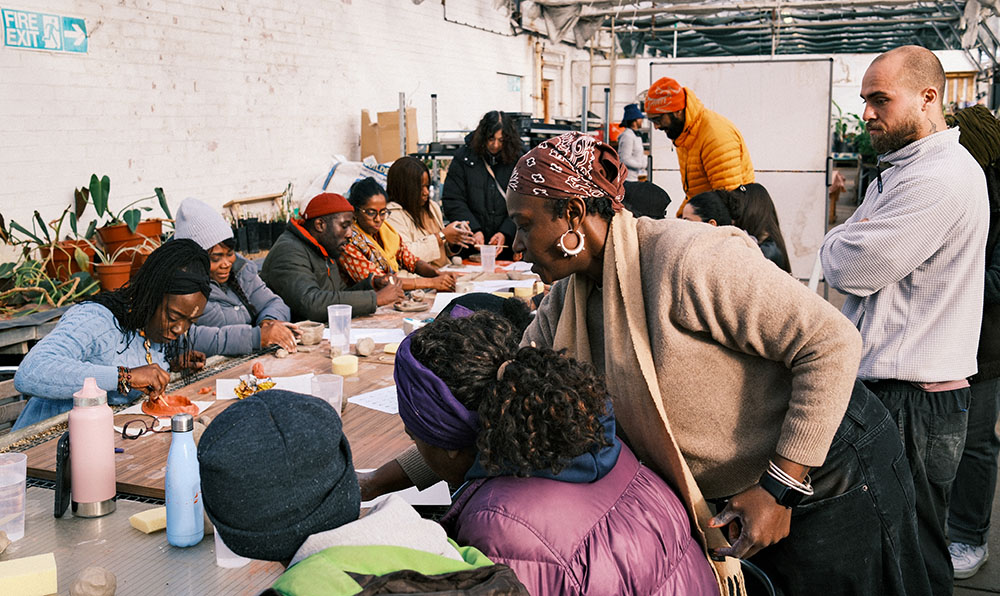
What all three of the organisations I spoke with share is a recognition that no one generation can solve the ecological education crisis on their own. They echo one another in their determination to meet people where they are, centre those who are disproportionately disenfranchised from ecological education, and help their communities reimagine alternative ways of sharing ecological knowledge. Even beyond their education-focused missions, all three organisations point towards a shared vision for environmental justice, too.
We need young and old working hand-in-hand to transform the spaces where we teach, learn and share.
We need young and old working hand-in-hand to transform the spaces where we teach, learn and share. That is how we reimagine the function of education, creating spaces instead for lifelong teaching and learning about our relationship to land – spaces that help us reimagine a world that is more just for people and planet.
For General Public, this meant framing their interviews with allotment members as part of The Birmingham Allotment Project as “a cup of tea in the shed.” Co-founder Chris Poolman said it was designed this way to make elders feel comfortable sharing and passing their insight on.
When publishing these stories, it meant an open access microsite with snippets from these interviews – some as short as 30 seconds. General Public is intentional with passing on knowledge to young children in the Compost Culture project, too. Chris says, “I did work with three of four schools and trained kids up in doing oral history. They interviewed the old timers.” By upskilling the next generation of storytellers, General Public is contributing to a pipeline of those who will creatively capture the power of ecological education.
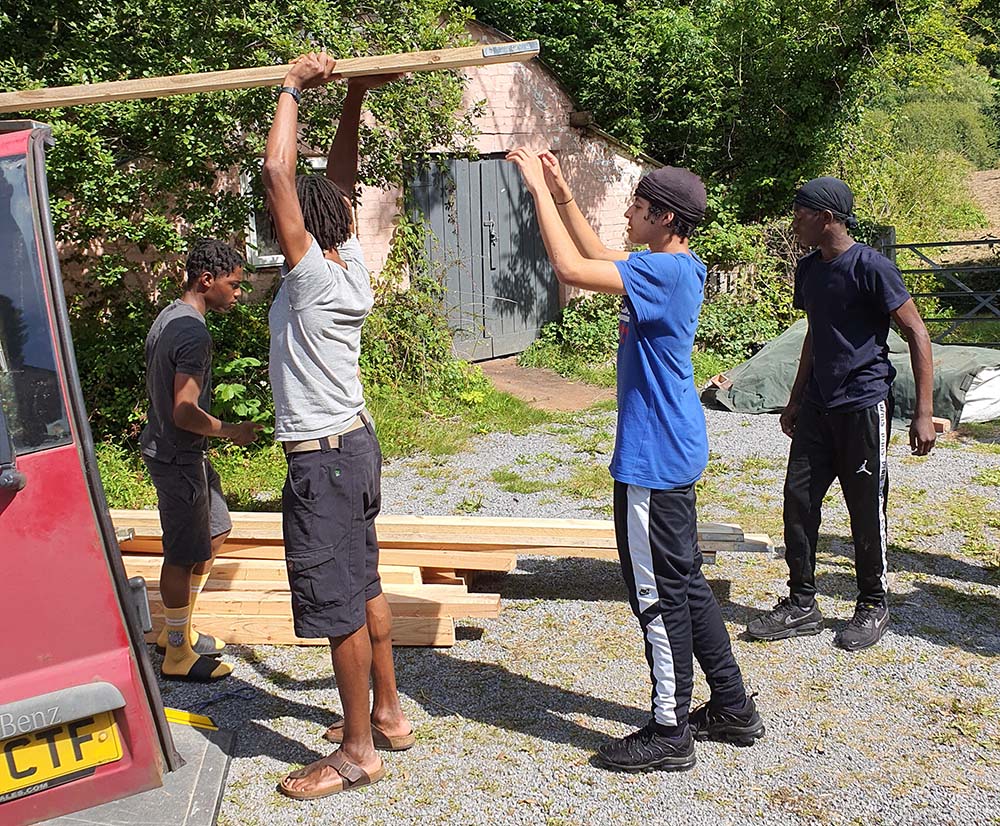
NYCE’s programming, in contrast, is designed to meet young people where they are. The skills they learn can reach their community through their newfound excitement. Manu explains that young people are eager to “talk about what they’ve learnt with their friends and their families. They feel skilled in things like green woodwork. For the most part, it’s something that neither of their parents will have ever learnt how to do.”
Manu’s idea of success is when young people leave their time with NYCE “hungry for what else, what next!”. From where I’m sitting, this is what it really means to build generational wealth – endowing a bank of nature-oriented knowledge that can now be passed down. These young people are learners, teachers and agents of change all at once.
From the margins to the centre
Far from this visionary approach, too often I’ve seen that when ecological education is squeezed into formal education without wholescale transformation, it is subject to the well-documented patterns of structural harm in schools.
Chronic underfunding disproportionately impacts working-class children. There are also community-specific barriers to ecological connection. Manu spoke to me about the “inherited trauma” of communities who were not historically welcome or safe out in nature, meaning many racialised young people don’t feel that those spaces are for them.
Touching on the cost-of-living crisis, Manu also mentioned the material barriers to young people accessing the outdoors. This pinpoints exactly why community-led ecological education is needed. If we’re serious about meeting young people where they are, it has to be responsive to what impacts their lives and their families day-to-day. Otherwise, it can end up isolating them from, not connecting them to, nature.
From Paulette’s perspective, one of the core barriers to African and Caribbean communities growing produce is access to land. She shared that “even those who have the money have difficulty purchasing land because a very high percentage of the land belongs to a very small percentage of people”. Paulette is referencing the reality that half of the UK’s land is owned by less than 1 percent of the population. The legacies of feudalism, aristocracy and colonialism come home to roost.
In the Compost Culture project, General Public has found that even when communities have enough funding to get composting facilities, the barrier is time poverty. Capitalism is not only fuelling the destruction of our natural world through intertwined overconsumption and reckless extractivism led by the West; it is enabling this by separating many from green spaces and skills with sheer overwork and, in doing so, weakening our defense of the natural world.
Resourcing local and grassroots actions
In my own work, I’ve seen time and again that when racialised communities, working-class communities and all those who are disenfranchised from traditional education and ecological connection can steer these spaces from the outset, their lens shifts from the margins to the centre of its design.
It’s exhausting to watch international organisations establish grassroots chapters without an awareness of how these systems function in tandem, particular to their local context. If only those resources were used to bolster and platform the work of ground-up groups that are genuinely locally rooted.
NYCE, for example, was established by three teachers at an inner-city school who noticed that certain demographics were disproportionately impacted by a lack of connection to nature. Manu reflects, “the way we were teaching ecology in school was so up in the head. It wasn’t relational or practical enough, didn’t situate itself within young people’s actual lives, and the curriculum was far too slow to change.” NYCE is designed as a tonic to these barriers.
In fact, the organisation’s weekly youth club is not nature-related at all. Emphasising that the NYCE model is education “through stealth,” Manu chuckles, “if you came, you might have no idea that what we’re aiming at is ecological knowledge or nature connection”. He explains that NYCE’s model is primarily focused on making sure young people have fun, and allowing learning to flow naturally from there. “Once they feel a certain level of trust with us, we can go ‘hey, in three weekends we’re going to go and explore this wetland!’”
There’s nothing better than a kid who has grown up in a tower block, never left Bristol and they’re suddenly in their wetsuit in Pembrokeshire Bay saying ‘wow I’m surrounded by jellyfish!
These nature-oriented excursions are where the magic happens. “There’s nothing better than a kid who has grown up in a tower block, never left Bristol and they’re suddenly in their wetsuit in Pembrokeshire Bay saying ‘wow I’m surrounded by jellyfish!’” Manu says. “You can’t replicate that online, or in an urban area.”
Planting roots in the diaspora
As part of the Afro-Caribbean diaspora, I relished the opportunity to zoom into the impact of ecological education for African and Caribbean communities in the UK, and how this connects to our environmental practices back home. In this sense, diasporic nature connection is an act of placemaking, often the product of migrants carving out a relationship to land in a new place.
Through creating a home away from home, diaspora communities can build bridges for knowledge exchange between the place they (or their family) came from, and the community they call home today. Or pass down knowledge from migrants to diasporans who are second-, third-generation and beyond.
Having interviewed many Caribbean elders, Chris from General Public reflected on the role allotments have played in placemaking for diaspora communities. He shares a story about a dominoes shed at the Lime Tree Road allotment in Ward End, East Birmingham, that was put up and frequented by West Indian bus drivers.
My own experiences and beliefs have been validated by all three organisations; that the more we understand about the natural world and our relationship to it, the more we feel compelled to protect, defend and resist.
Though the shed has long been knocked down, the recordings captured by the project mean that its legacy lives on. The archiving of these oral histories serves to educate others – present and future – about what has come before. These windows into worlds we can’t see are sites of inspiration and propel us forward to bolster ecological education efforts.
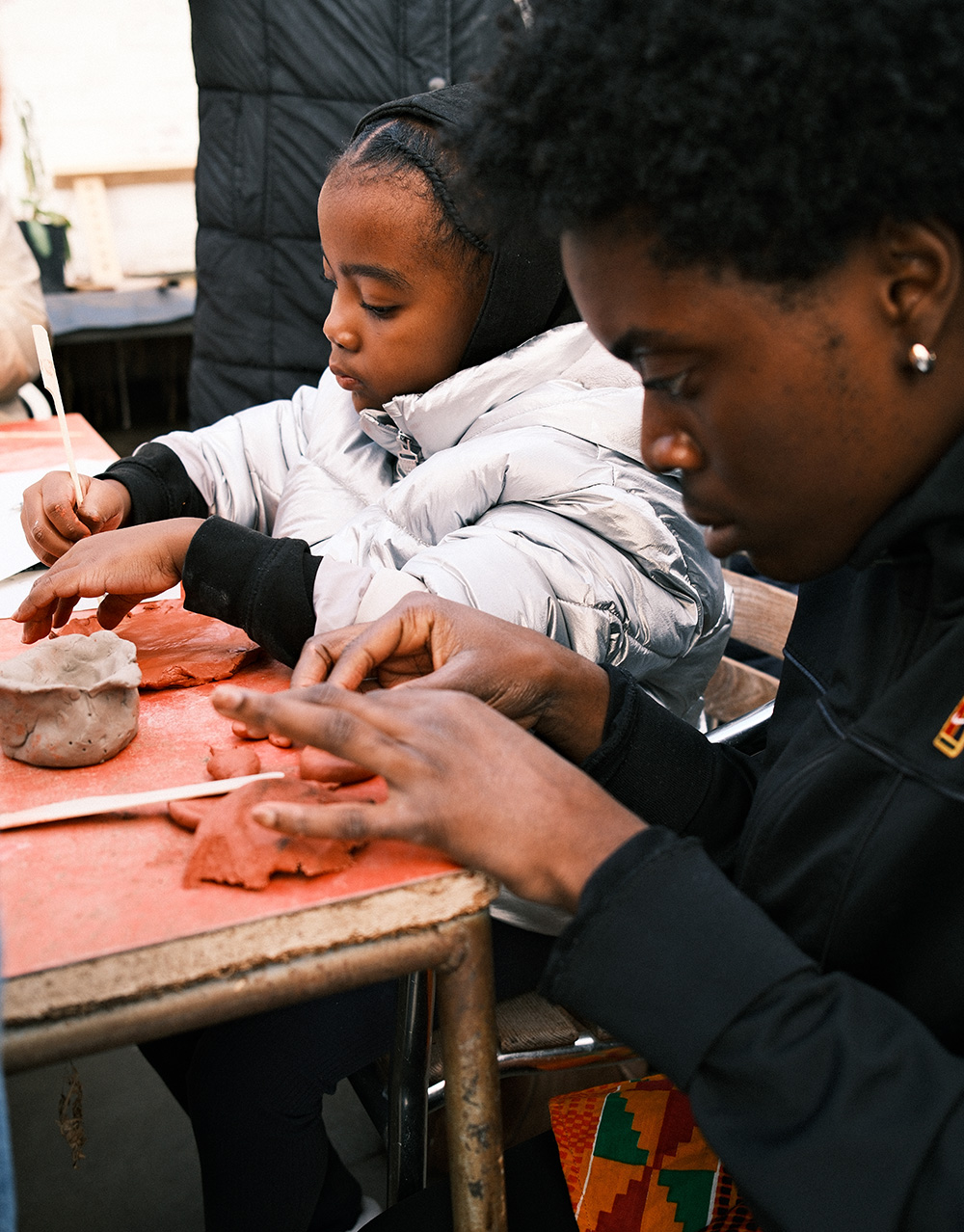
Black Rootz intentionally celebrates a diasporic relationship to ecological education. Their “What mama used to make!” workshops invite members to share recipes for things like drinks and home remedies that elders regularly made back home that are less common in the diaspora today.
“It’s reminding people of what the land used to offer,” Paulette explains. And for parents, it gives them a better awareness of the impact of what their children are consuming.
Rather than pay through the nose for a ‘wellness shot’ from the supermarket made with imported produce, workshops like this encourage people to grab things they’re growing in the garden to blend into a powerful immune system booster. “If your child’s got a cough, mama used to use honey, lemon, thyme and whatever”.
Black Rootz also builds solidarity with growers back home. Paulette mentioned relationships they hold with growers “in Kenya, other parts of Africa and the Caribbean”. In this way, community-led ecological education serves as a vehicle through which Black folks in the diaspora can remain connected to the evolution of ecological practices back home. Under racial capitalism, new or Western is often misinterpreted as inherently ‘better’. By centring these spaces for knowledge exchange, we are able to build genuine alternatives to ecological education that don’t reproduce these harmful systems.
Vision For the future of ecological education
My own experiences and beliefs have been validated by all three organisations; that the more we understand about the natural world and our relationship to it, the more we feel compelled to protect, defend and resist. As a 20-something who grew up in Croydon’s concrete jungle in London with grandparents who had grown up on different islands in the Caribbean, I’m also reminded that learning about the land from elders is so intertwined with belonging and healing.
We need projects that meet people where they are, build intergenerational dialogue, centre the voices of those most marginalised, help us reimagine alternatives and work towards a more transformative vision for environmental justice. This is how we grow.
It is clear, through the work of NYCE, Black Rootz and General Public, among others, that by people accessing new knowledge about growing, hearing oral histories of plot holders’ experiences, or building green skills and nature connection, this will transform them and the communities around them too. The work is modelling ways that we can live and learn in dialogue with the natural world. But it is also developing community agency in the face of environmental injustice.
And they are part of a global struggle. Headquartered in Copenhagen, the Foundation for Environmental Education unites over 110+ member organisations in 85 countries that are fighting for similar transformation, all of whom understand how important it is for this struggle to be locally rooted.
When Paulo Freire and bell hooks theorise education as a practice of freedom, they explore the relationship between reflection and action, and how this helps to change the world collectively. By cultivating community and shared spaces for knowledge exchange, projects like NYCE, Black Rootz and General Public contribute to a cocoon from which more environmental justice-oriented community members can emerge.
Even further, this knowledge urges many of us to imagine otherwise – working towards these projects’ models for ecological education becoming the norm, not the exception. They become the regenerative vehicles through which the environmental justice movement can constantly grow.
As someone who has worked on campaigns pushing for ecological education in the curriculum, I am not suggesting we give up on including elements of this in the formal education system. Instead, this is a reminder that until the world looks markedly different, we will need to go beyond this.
And in a world where ecological education forms part of our day-to-day, becomes a regularity not an exception, we are transformed. We become more attuned to what the land provides, more aware of what is in season, and what has no business on our plates in the middle of winter. So, perhaps we become less expectant of high-polluting imports. Spending more time in nature, we are more conscious of how the earth is changing, the harm our extractive way of life causes becomes more palpable. Now we’re really looking, listening, smelling, tasting and feeling what nature has to say. In turn, we realise our agency. We become less cavalier, more active stewards of our world. The list of things ecological education would – and will – change in us is endless.
We need projects that meet people where they are, build intergenerational dialogue, centre the voices of those most marginalised, help us reimagine alternatives and work towards a more transformative vision for environmental justice. This is how we grow.